Is Grace Bay Really The Best Beach In The World?
TripAdvisor named Grace Bay the best beach on the planet in 2022. Here's exactly what that ranking said, what's happened since, and what's actually behind the reputation.
Use the section recommendations to match an outing to your trip, then compare dates and trip details at the end.
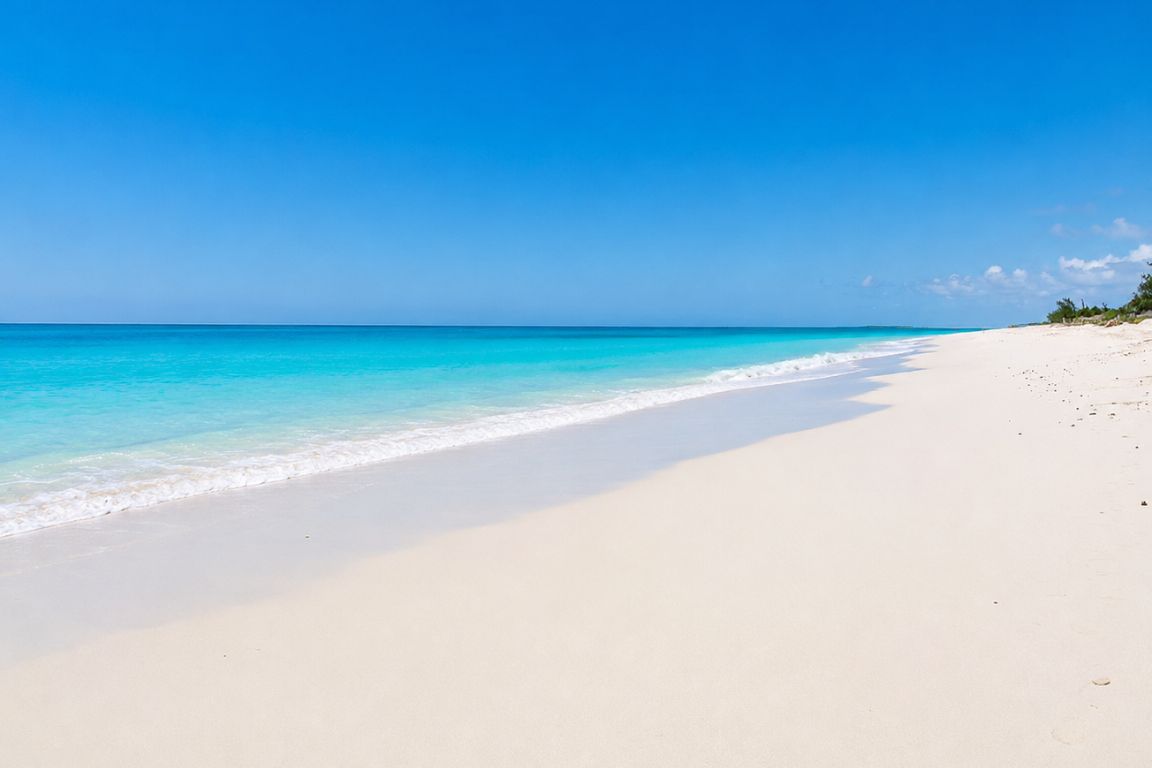
Grace Bay's water does something odd to first-time visitors: they stand at the shoreline, look at the color, and assume a filter has been applied to their own eyes. That reaction is part of why the beach keeps turning up in "best in the world" conversations. But the specific claim, that Grace Bay was literally named the number one beach on the planet, deserves checking rather than repeating as folklore.
Use the ranking as a starting point, then pick the Grace Bay outing that matches how you want to experience the coast.
Your Turks And Caicos Plan
- Grace Bay was TripAdvisor's number one beach in 2022 and ranked fifth in 2023 and 2024.
- The offshore barrier reef helps explain the calm, reef-protected character described in the article.
- Check your actual travel date before arranging a sail, snorkel or sunset outing around other trip plans.
What TripAdvisor Actually Said
In February 2022, TripAdvisor's Travelers' Choice Best Beaches awards named Grace Bay the number one beach in the world, based on the volume and quality of reviews travelers left over the preceding year. The official press release put it plainly: "The number one beach on the planet determined by travellers this year is Grace Bay Beach in Turks and Caicos," citing over 7,200 reviews with roughly 90 percent five-star ratings behind the ranking. Varadero Beach in Cuba came in second that year, followed by Turquoise Bay in Australia.
Grace Bay hasn't repeated the top spot since. In the 2023 rankings it landed at number five, behind Baía do Sancho in Brazil, Eagle Beach in Aruba, Cable Beach in Australia, and Reynisfjara in Iceland. In the 2024 list it held that same fifth position, this time behind two beaches in Portugal and Italy, a Spanish beach, and a Hawaiian one. So the honest answer to "is Grace Bay the best beach in the world" depends on which year you're asking about: yes, for 2022. A firm top five, consistently, in the years since.
How "Best Beach" Actually Gets Decided
It helps to be clear about what these rankings measure, since the phrase "world's best beach" makes people picture some kind of laboratory water-quality test. TripAdvisor's Travelers' Choice awards are built entirely from user reviews and ratings collected over a twelve-month window, weighted by volume and consistency of praise. There's no sand-grain analysis and no marine biologist scoring reef health. It's an aggregate of what people who actually stood on the beach thought of it, which is a real signal, just not the only possible one. Condé Nast Traveler and various other outlets run their own beach lists with different methodologies and, unsurprisingly, sometimes different winners.
What's Actually Behind The Reputation
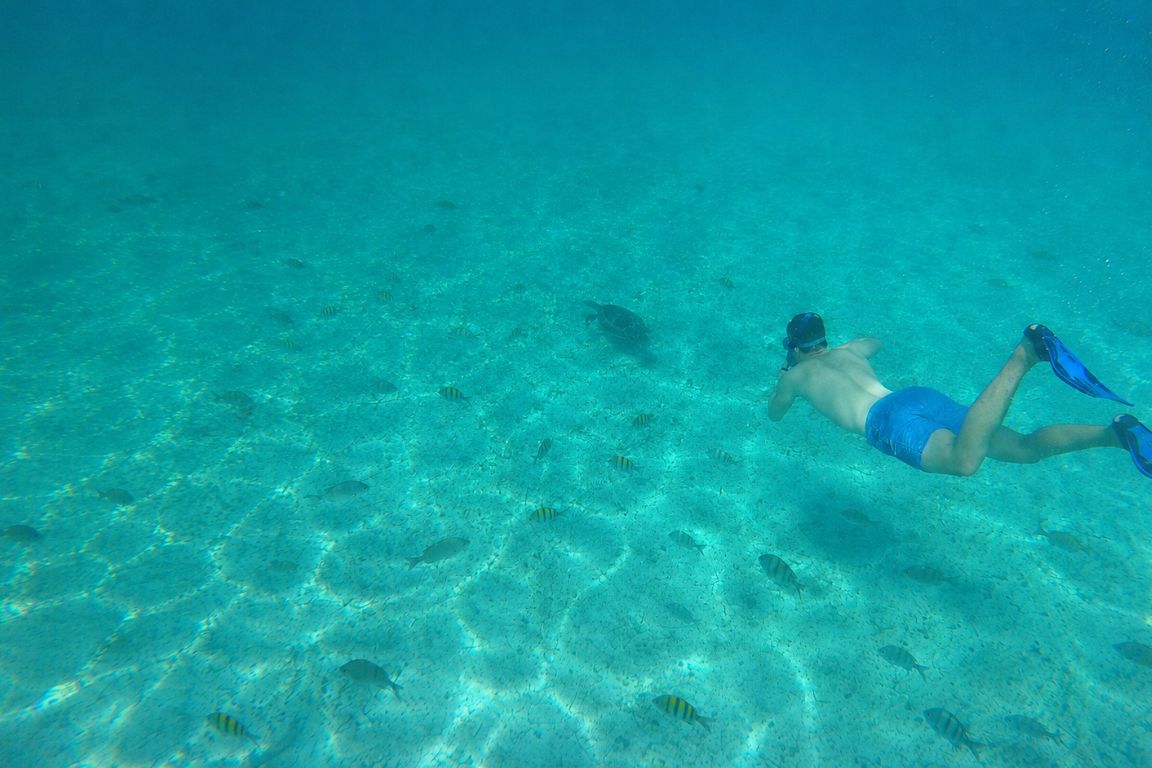
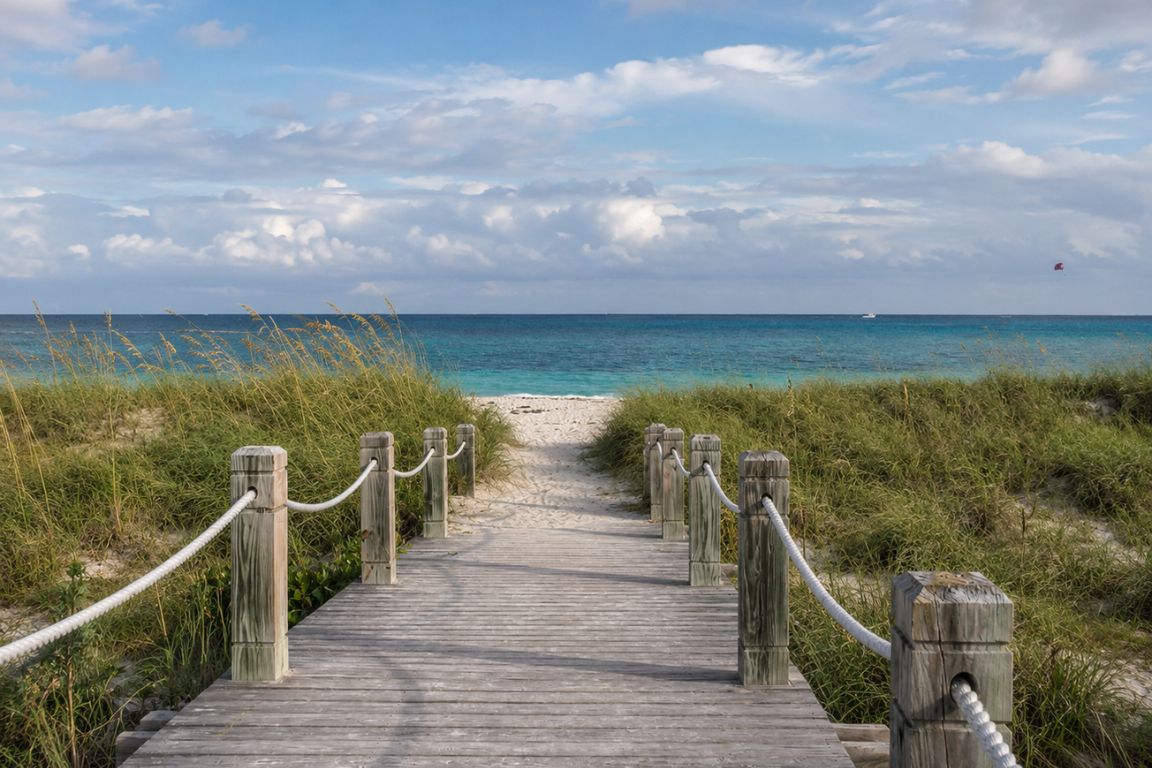
Reviews aside, there are physical reasons Grace Bay keeps showing up near the top of these lists year after year rather than appearing once and dropping off. A barrier reef sits roughly a mile offshore, absorbing Atlantic swell before it reaches the sand, which is why the water stays calm and glassy on days when open-ocean beaches elsewhere are churned up. The sand itself is crushed coral and shell, ground fine enough to feel like powder underfoot, and the beach runs for roughly twelve miles along Providenciales' northeast coast without the seaweed drifts or exposed rock that show up on plenty of "best of" contenders. Inside Princess Alexandra National Park, which covers the busiest stretch of Grace Bay, motorized watercraft are banned from the swim zone, so there's no jet ski weaving between swimmers. That detail never shows up in a photo, but it changes how the water actually feels once you're in it.
None of that is unique to Grace Bay in isolation. Plenty of Caribbean beaches combine reef protection with fine sand. The combination of all of it, at this scale, along a stretch this long, is genuinely uncommon.
Does Ranking Number One Actually Matter?
Less than the marketing suggests, honestly. A kiteboarder chasing wind gets more out of Long Bay Beach on the island's south side than out of Grace Bay's calm water, regardless of what any awards list says. A snorkeler wants Grace Bay's Bight Reef, walkable from shore, over a beach that scored higher on someone's list but has no reef within a mile. Rankings answer a fairly narrow question: which beach, on average, made the largest number of reviewers happiest. That's a useful signal, not a verdict on what will make your specific week better.
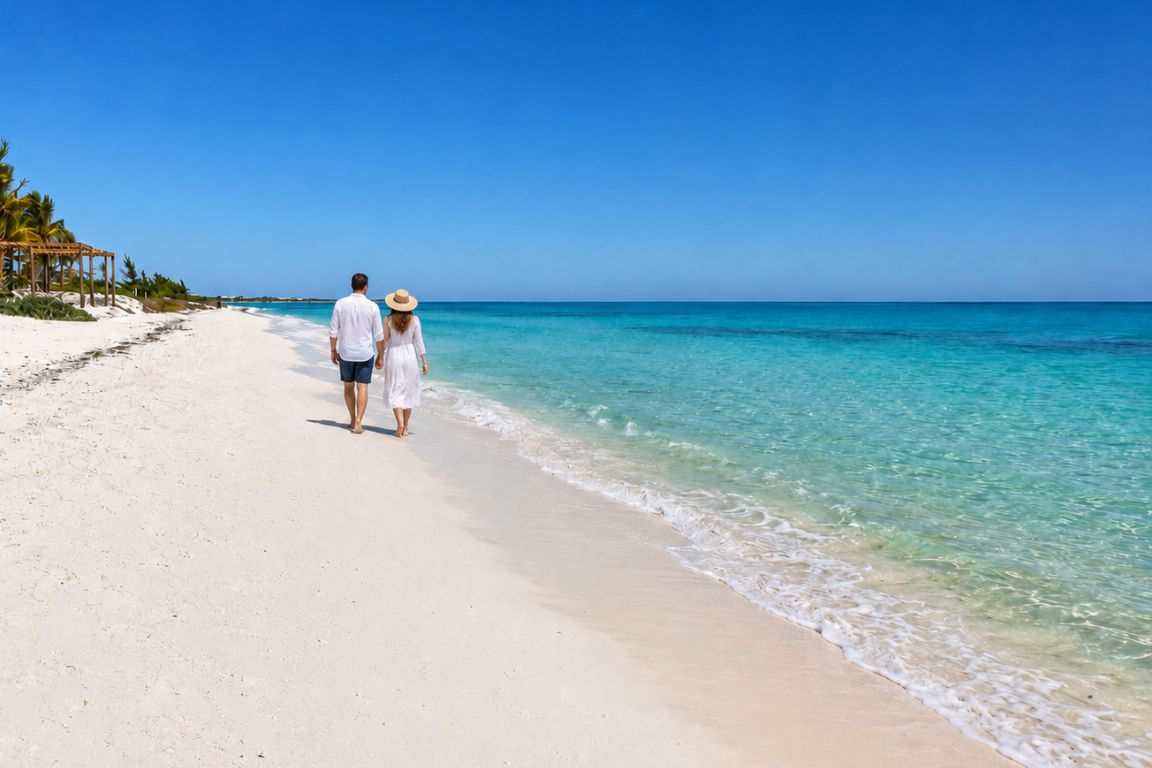
What the ranking does confirm is that Grace Bay isn't getting hyped by local tourism marketing alone. The reviews behind that 2022 number one spot, and the top-five finishes since, came from ordinary travelers with no stake in Turks and Caicos tourism revenue.
The easiest way to see what put Bight Reef in that conversation is from the water itself. The Grace Bay snorkeling half-day runs out to the reef with gear included, so you're not guessing where the good coral actually starts.
The Other Beaches That Keep Beating It
It says something about the competition that Grace Bay's "only" fifth-place finishes in 2023 and 2024 came behind beaches most people outside travel-writing circles have never heard of. Baía do Sancho sits inside a Brazilian marine national park reachable only by boat or a steep ladder down a cliff face. Reynisfjara is a black volcanic sand beach in Iceland, about as different from Grace Bay as a beach can be. There's no single template for what wins these lists. Grace Bay's case is calm, reef-protected, powder-fine water at a scale few destinations match; Iceland's is dramatic basalt columns and a beach that looks like nowhere else on Earth. Different beaches win by being the best version of something different, which is part of why the ranking Grace Bay does hold is worth taking seriously rather than dismissing as inflated tourism talk.
So, Is It The Best Beach In The World?
By the one concrete measure that's actually been published and can be checked, TripAdvisor's Travelers' Choice awards, yes: it held that exact title in 2022, and it hasn't dropped out of the world's top five since. Whether that makes it "the best" for your own trip depends on what you're there to do. If your week involves swimming, snorkeling, and not much else, the case is about as strong as any beach can make it.
Seeing that reef and calm water from the deck of a boat rather than the shore adds a different angle entirely. The Champagne sunset cruise sails along that same coastline as the light changes, which is when the color everyone talks about tends to look most real.