Is Turks And Caicos Safe? What Travelers Should Actually Know (2026)
The US State Department rates Turks and Caicos Level 2 for petty crime concentrated in Providenciales' tourist areas, the same caution level assigned to France, the UK, and Germany. Here's what that rating actually means and what to do about it.
Use the section recommendations to match an outing to your trip, then compare dates and trip details at the end.
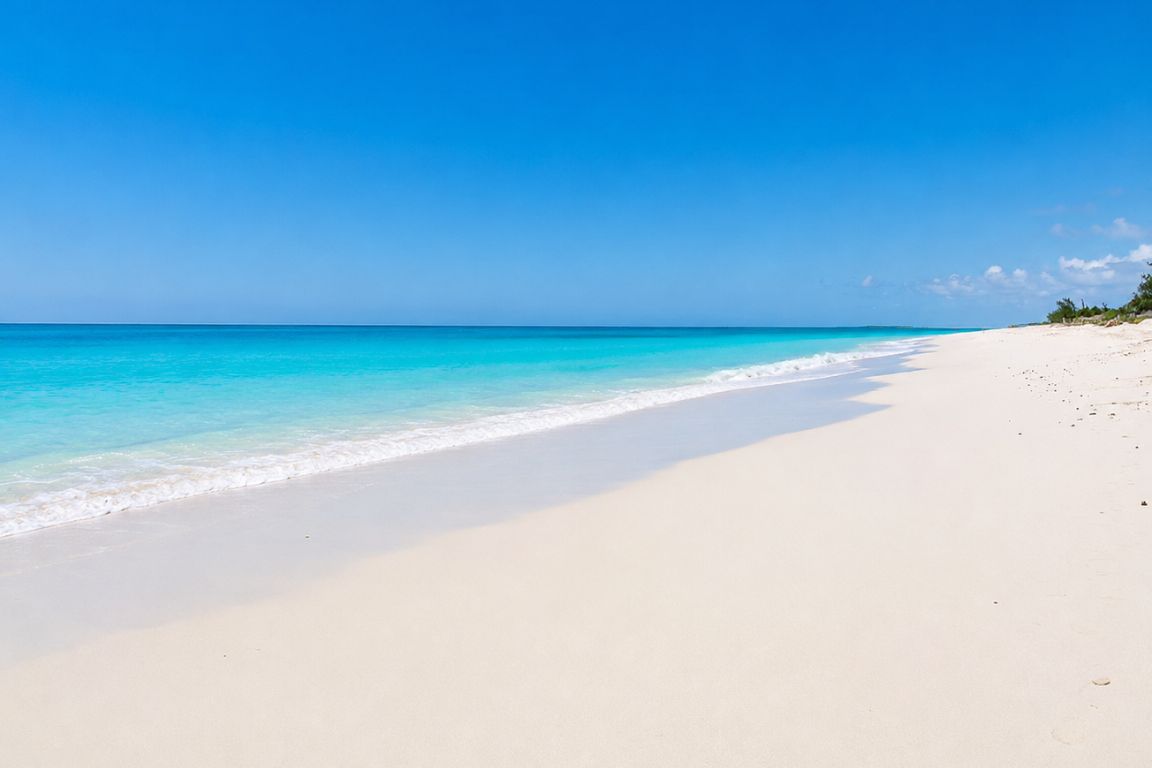
Ask someone who has never set foot in the Caribbean whether Turks and Caicos is safe, and the answer usually comes from vague headlines about the region rather than anything specific to these islands. Ask someone who has walked Grace Bay after dark, and the picture looks different: quiet beachfront paths, hotel security at the gates, golf carts humming past well after sunset. The real answer sits between assumption and lived experience, and it starts with what the US government actually published, not what people guess it says.
Once everyday precautions are in place, compare guided Providenciales outings by duration, meeting point, and what is actually included.
Your Turks And Caicos Plan
- Keep valuables out of parked cars and use a hotel safe for passports and spare cash.
- Follow published meeting points and operator check-in steps, not unsolicited beach approaches.
- Check your actual travel date before arranging transport, meals, or other plans around an excursion.
What The Travel Advisory Actually Says
On July 7, 2026, the US State Department updated its Turks and Caicos advisory, which sits at Level 2: "Exercise Increased Caution." The refresh didn't change the underlying rating, it just updated the language behind a level that has held steady. The advisory names petty crime as the driver: purse-snatching, pickpocketing, and other crimes of opportunity concentrated in Providenciales' tourist areas. It also references reports of sexual assault, which deserves a direct mention here rather than a footnote.
Is Level 2 Actually Alarming?
Context matters more than the number by itself. France sits at Level 2. So does the United Kingdom. So does Germany. Millions of American tourists visit all three every year without rearranging their plans. The State Department's scale runs from "Exercise Normal Precautions" up through "Do Not Travel," four tiers in total, and Level 2 is one step above the baseline, not two steps from crisis. Reading it as "risky" misreads the scale. Reading it as the same increased awareness a first-time visitor should already bring to any unfamiliar destination gets closer to what the advisory is actually doing.
Where The Real Risk Sits
The advisory itself narrows the geography. Petty crime concentrates in Providenciales' tourist areas, which happen to be the same places visitors spend nearly all their time: resort strips, rental car lots, the public access points along Grace Bay. That isn't a case of the whole territory being unsafe. It's the more ordinary pattern found in almost any beach destination anywhere: theft follows money, and money follows tourists.
The territory's own tourism board publishes a safety page that doesn't sugarcoat the specifics. It flags occasional armed robbery and muggings, theft from unoccupied vacation rentals and parked cars, and a small number of home invasions targeting visitors on Providenciales each year. It also states plainly that most crime in the islands involves residents rather than tourists at all. None of that reads like spin. It reads like a government describing a real, modest risk instead of pretending one doesn't exist.
How Does This Compare To The Rest Of The Caribbean?
There's no independently verified ranking that settles "safest Caribbean island" or "worst crime rate" with a single clean number, and any page claiming one is guessing. What is verifiable: the tourism board's own safety page describes Turks and Caicos as one of the safest destinations in the broader tropical Atlantic and Caribbean region for visitors specifically, a claim distinct from crime statistics covering the resident population. And the Level 2 advisory places it alongside long-established European destinations rather than the higher tiers assigned to some other parts of the region. That's a meaningfully different signal than "stay away."
The Risk That Isn't About Crime
Read the tourism board's safety page all the way through and the section that stands out isn't about pickpockets, it's about the roads. Road fatality rates in Turks and Caicos run notably higher than in the US, UK, or Canada, and the same page advises against renting a scooter or bicycle outside Grace Bay and against flagging down an unlicensed "jitney" taxi. For most travelers this is the more practical safety conversation, driving on the left on unfamiliar, sometimes unlit roads at night, on an island where a rental car is the default way to get around. It isn't something the State Department advisory covers, since that isn't its jurisdiction, but it's a real risk with a straightforward fix: drive cautiously after dark, or book transport instead of self-driving.
What To Actually Do About It
None of the precautions here are unique to Turks and Caicos; they're the same habits that make sense in Barcelona, Miami, or Rome. Leave nothing visible in a parked rental car, not even a phone charger cable that hints at a device somewhere inside. Use the hotel safe rather than a beach bag for passports and spare cash. Skip ATMs after dark and stick to machines inside a hotel lobby or bank branch during daylight hours. Stay aware in crowded tourist areas the way you would at any busy market, since both purse-snatching and pickpocketing rely on a moment of distraction. Book water activities and taxis through licensed, insured operators rather than whoever approaches you first on the beach, a habit that also happens to matter for boat safety on its own terms.
A Guided Day Removes Some Of The Guesswork
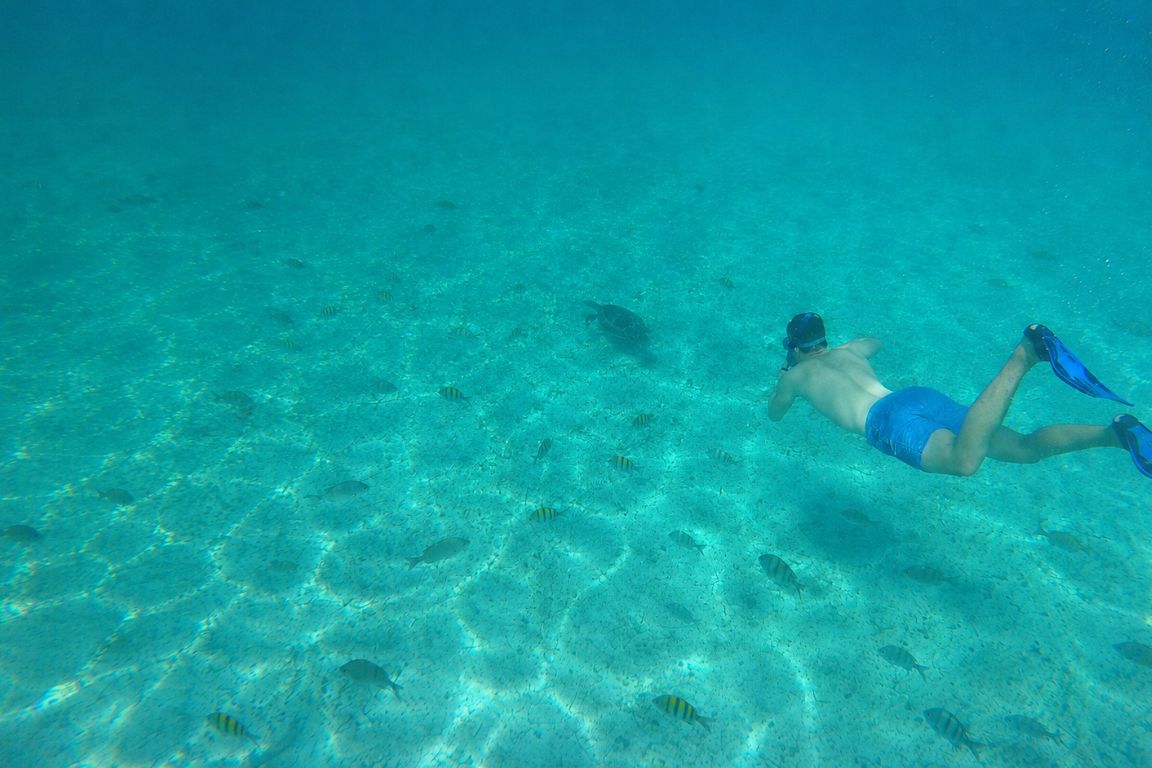
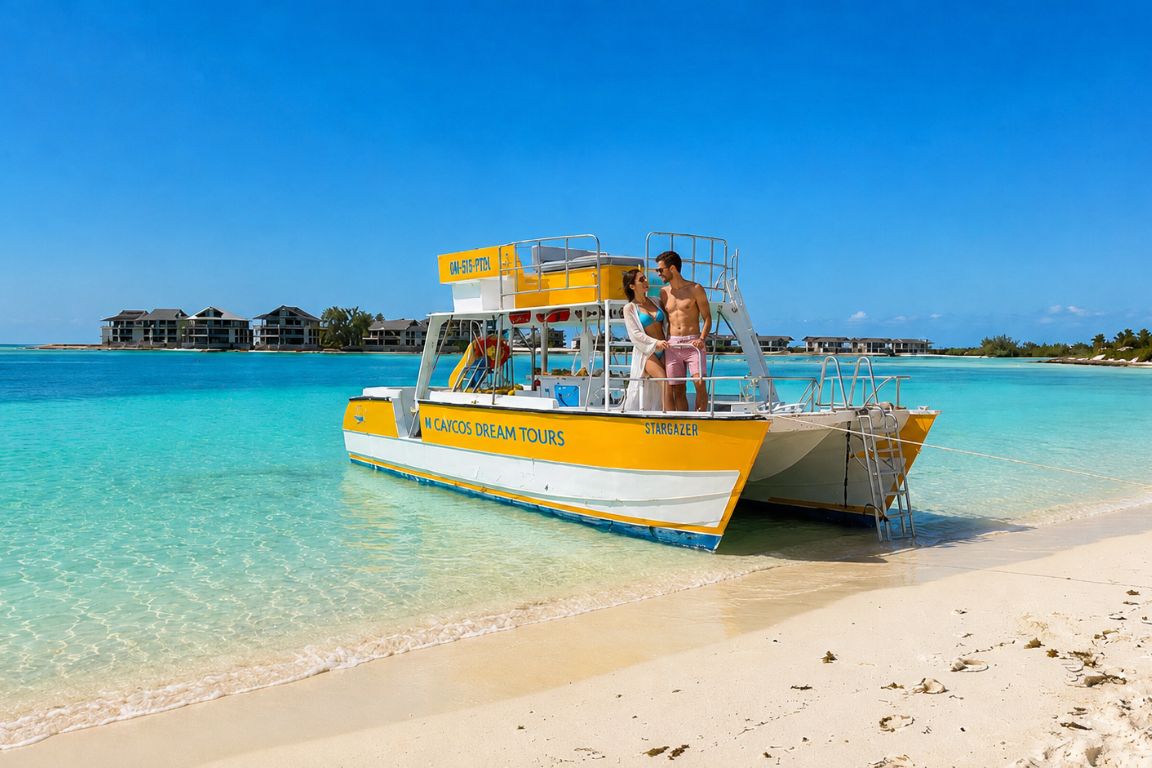
One honest, non-manufactured benefit of a guided tour: someone else handles the logistics that create small openings for opportunistic theft. Gear stays with a crew rather than sitting unattended on a beach towel, transport is arranged rather than flagged down, and a licensed operator has both insurance and a reputation to protect. The Grace Bay snorkeling half-day group tour is a straightforward example: a four-hour outing with equipment, a crew, and hotel transfers built in, which quietly removes several of the small decisions that carry the modest, real risk described above.