What Is Pirates Cove In Turks And Caicos? Is It Worth Visiting?
Ask around Providenciales about Pirates Cove and you'll get three different names for the same stretch of coast: Pirates Cove, West Harbour Bluff, and Split Rock. All three point to the same remote peninsula at the southwest tip of the island, and the honest answer to whether it's worth the drive depends entirely on what kind of trip you're planning.
Use the section recommendations to match an outing to your trip, then compare dates and trip details at the end.
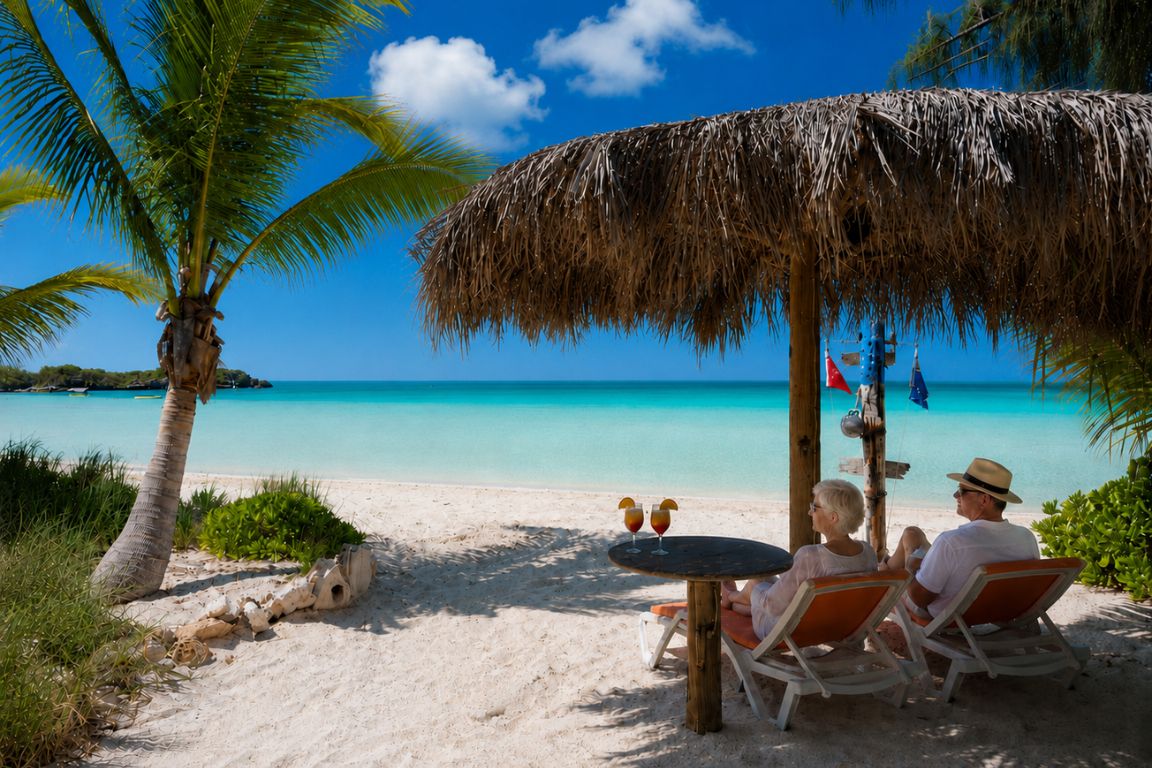
Pirates Cove shows up on maps of Providenciales under three different names, which is usually the first sign that a place has more folklore attached to it than settled fact. Locals and the island's own tourism board call it West Harbour Bluff or Split Rock as often as Pirates Cove, and all three names describe the same small peninsula of sea cliffs at the island's southwest point, about five miles from the resorts and restaurants of Grace Bay.
Use the access realities below to decide whether Pirates Cove suits your day, then compare easier Providenciales alternatives before arranging the rest of your itinerary.
Your Turks And Caicos Plan
- Pirates Cove is an undeveloped Providenciales bluff with a cave, carvings, cliffs and a ladder-access beach.
- The final road is rough, facilities and reliable cell service should not be expected, and a high-clearance or four-wheel-drive vehicle is recommended.
- No recommended tour is confirmed to visit Pirates Cove, so self-drive only if you can responsibly manage the route, daylight, ladder and terrain.
What's Actually Out There
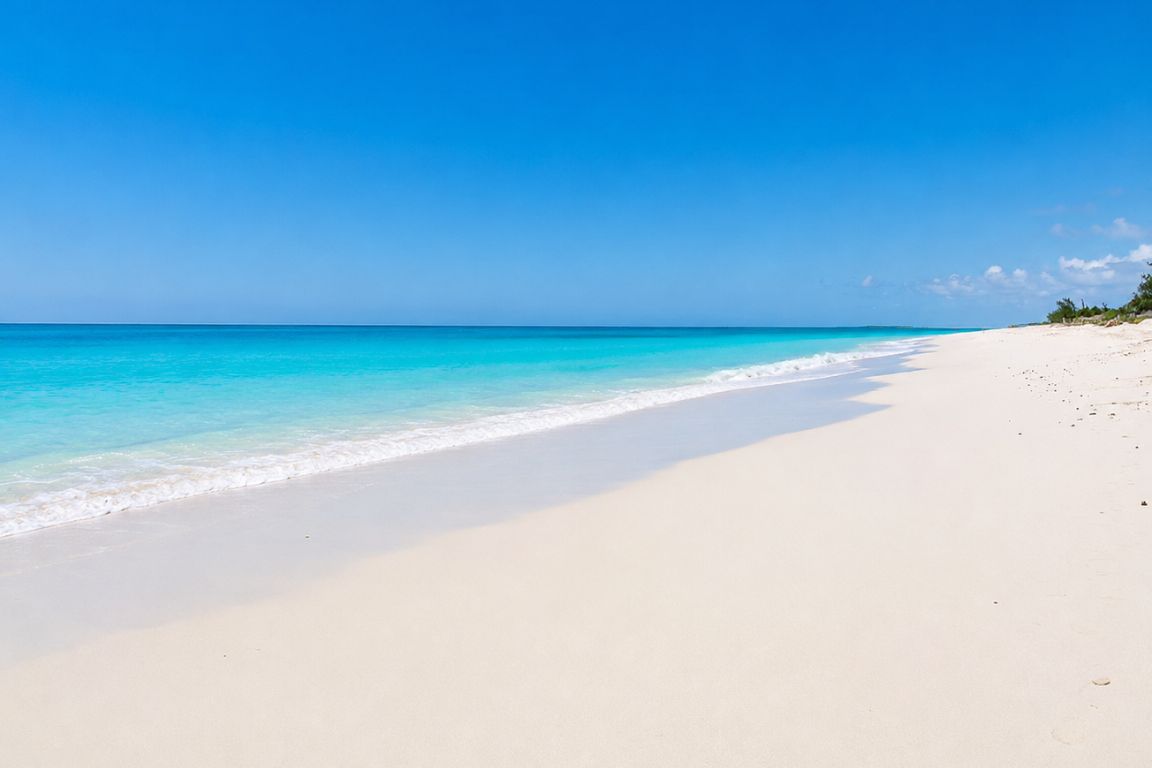
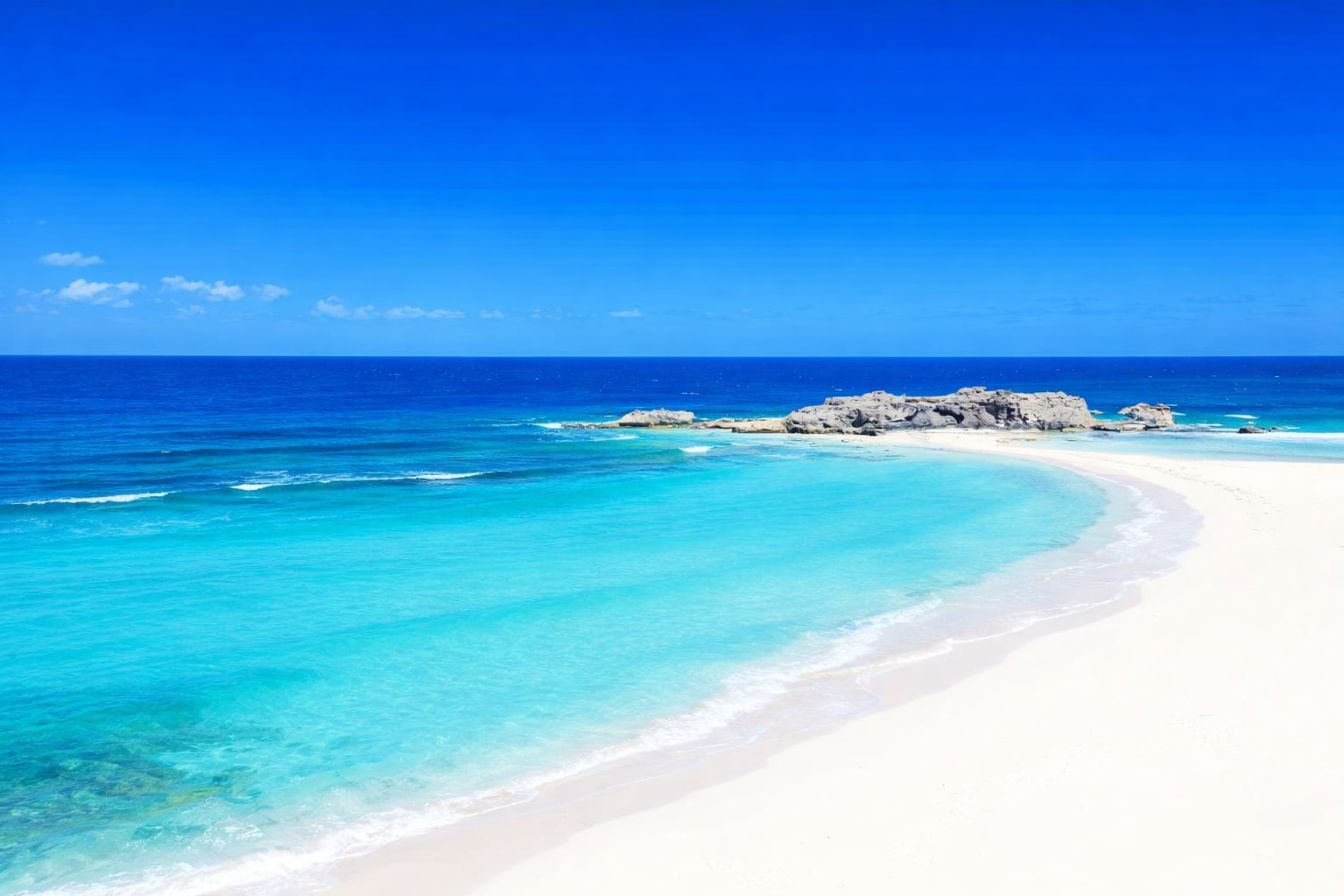
According to the official Turks and Caicos tourism board page for the site, the bluff itself is a compact peninsula of sea cliffs with a small open-faced cave, sometimes called Pirate's Cave, cut into the rock. Above it, rock carvings sit on what's known as Osprey Rock. Below the cliffs, roughly a mile of secluded beach runs along the coast, reachable by climbing down a ladder from the bluff. It's not a groomed beach with chairs and a bar. It's an undeveloped piece of coastline that happens to have genuine geological and historical texture, which is exactly why it draws the visitors who make the drive.
Does It Actually Have Pirate History?
Here's where honesty matters more than a good story. The tourism board's own history of piracy in the islands notes that the western side of Providenciales was a genuinely useful spot for pirates to watch shipping lanes from an elevated vantage point, and it names real figures who operated in the wider region, including François l'Olonnais and Jean Thomas Dulaien, both said to have used nearby West Caicos as a base in earlier centuries. But when it comes to this specific cave and its rock carvings, the same source is direct: the site "has historical and geological interest, yet is not known to be tied directly to piracy." One of the clearest carvings actually commemorates the ship St. Louis, which burned at sea in 1842, well after the main era of Caribbean piracy had ended. The name Pirates Cove is likely more evocative than literal.
When To Go, If You Go
There's no shade to speak of once you're out on the bluff, and the drive itself gets less pleasant in the middle of a hot afternoon with the sun overhead. An early morning start beats the heat, gives you better light for photos of the cliffs and the cave, and means you're not driving the unpaved stretch of Tom Lightbourne Road as daylight runs out. Since there's no real facilities out there, plan it as a half-day outing built around the drive itself rather than a quick stop bolted onto another errand.
Getting There, And What It Takes
This is the part that decides whether the trip is worth it for you. From developed Providenciales, the route runs about three miles up Millennium Highway before turning onto Tom Lightbourne Road, then continues roughly 6.5 miles total, with the last stretch turning to rough, unpaved track. The tourism board recommends a four-wheel-drive or high-clearance vehicle for this reason. Once you're there, reaching the beach below the bluff means climbing down a ladder, not walking down a graded path. Bring water, expect to go slowly on the unpaved section, and don't count on cell signal or facilities once you're off the main highway. Guided ATV, dune buggy, and occasional boat tours out of central Providenciales offer an alternative to self-driving the whole route.
Is It Worth Visiting?
Honestly, it depends on who's asking. If you want a beach day with a lounge chair, a drink in hand, and zero effort between the car and the water, this isn't it, and Grace Bay or Sapodilla Bay will serve you far better. If you've got a rental with real ground clearance, don't mind a bumpy drive and a ladder climb, and actually enjoy having a stretch of coastline mostly to yourself, the payoff is real: sea cliffs, a genuine cave, centuries-old rock carvings, and close to a mile of beach that most visitors never see. It rewards a specific kind of traveler rather than everyone, and that's a fair trade for the effort it asks.
What To Leave Alone Once You're There
The tourism board is specific about this site staying undisturbed: no climbing on the rock formations, no fishing, and no taking shells or coral from the area. The rock carvings and the cave are the reason the place has any historical interest at all, and they don't survive being treated as a photo prop or a souvenir source. It's a fair trade for access to a spot that most of Providenciales never bothers to see: look, photograph, and leave it exactly as you found it.
A Practical Note Before You Go
Because the area is remote and undeveloped, it carries the kind of risks that don't apply on a resort beach: uneven terrain, loose rock near the cliffs, hidden holes and small caves half-covered by vegetation, and a couple of toxic plants, including manchineel trees, that are worth learning to recognize before you go. There's also no help nearby if you're hurt or your vehicle gets stuck on the unpaved stretch. Go with at least one other person if you can, tell someone your plan before you leave the main road, and stick to marked paths rather than wandering off to find your own way down the bluff. If that sounds like more caution than you want to manage on a vacation day, that's a reasonable reason to spend the afternoon somewhere easier and save Pirates Cove for a trip where you've got the vehicle, the daylight, and the time to do it properly.