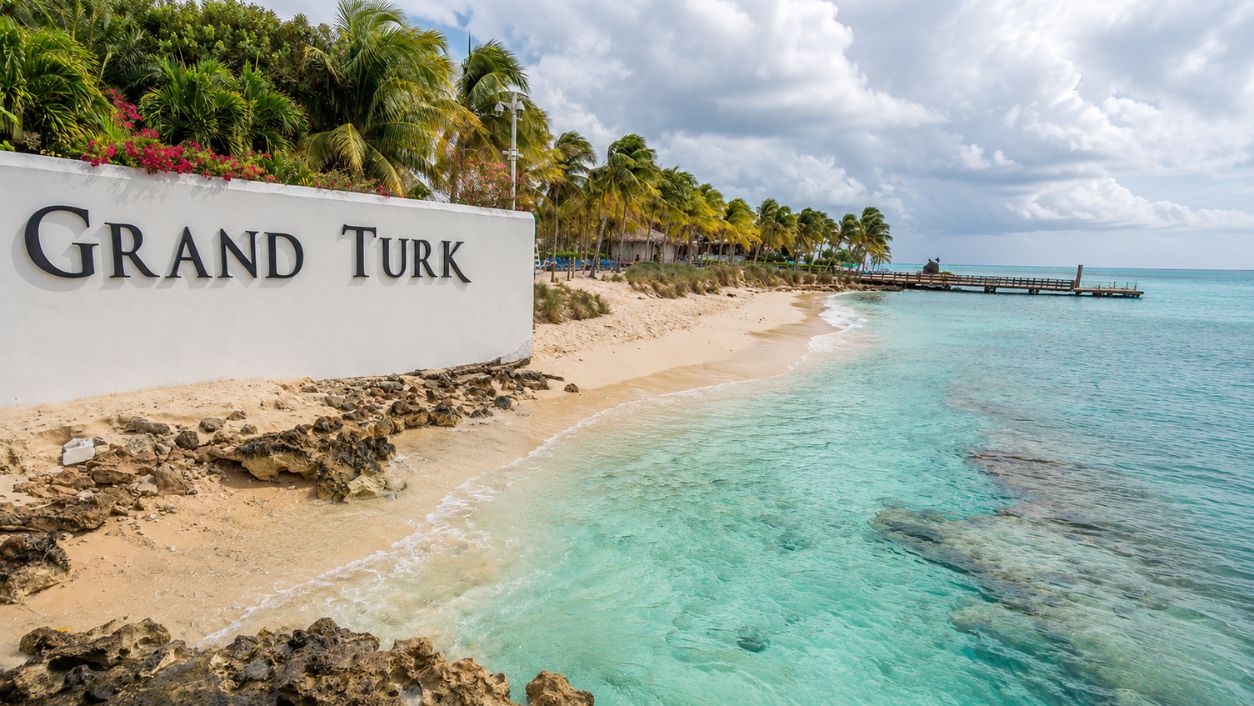
Is The 649 Area Code A Scam? Turks And Caicos Phone Numbers Explained
Our office number starts with 649. So does every hotel front desk, dive shop, and tour operator in Providenciales and Grand Turk. It's also the exact area code the FCC and FTC name in their one-ring scam warnings, and that overlap is where the confusion starts.
Use the section recommendations to match an outing to your trip, then compare dates and trip details at the end.
Our office number starts with 649. So does every hotel front desk, dive shop, and legitimate tour operator across Providenciales and Grand Turk. Type "649 area code" into a search engine, though, and a chunk of the results warn you to avoid it. That's a strange thing to see about the same digits printed on your own booking confirmation, so it's worth answering plainly instead of leaving it to guesswork.
Once you know the call pattern to avoid, you can plan island time with clearer expectations about ordinary booking messages from a real operator.
Your Turks And Caicos Plan
- 649 is the legitimate area code for the Turks and Caicos Islands, not a fake prefix.
- Do not return an unexplained call that rings once and then disconnects.
- Treat a 649 call as ordinary only when it ties to a hotel, charter, or tour you already contacted.
What The 649 Area Code Actually Is
649 is a standard North American Numbering Plan (NANP) area code, the same numbering system used across the US, Canada, and much of the Caribbean. It was assigned specifically to the Turks and Caicos Islands. Every real business here, from a Grace Bay resort to a fishing charter captain, dials out and gets called back on a 649 number, because that's simply the country's phone prefix. There is nothing irregular about the code itself. It is not a spoofed prefix, not a premium-rate block, and not unique to scammers in any way.
The One-Ring Scam Behind The Warning
The confusion traces back to a real and well-documented scam that the FCC's one-ring phone scam guide and the FTC's consumer alert both cover. Robocallers dial a number, let it ring once or twice, and hang up before anyone can answer. The number left on the caller ID looks like an ordinary domestic ten-digit line. If curiosity gets the better of you and you call back, you're actually dialing an international or premium-rate connection, and the scammer collects a cut of the per-minute charge that lands on your phone bill.
Both agencies name 649 specifically, alongside a short list of other Caribbean NANP area codes: 268, 284, 473, 664, 767, 809, 829, 849, and 876. Every one of those is a legitimate area code for a real place, and every one gets exploited the same way, because the scam depends on the number looking like it could be your neighbor rather than a call from overseas.
How A Real 649 Call Differs From A Scam Call
The pattern is the tell, not the digits. A one-ring scam call rings once, maybe twice, then goes dead before you can answer it. It's usually from a number you don't recognize and were not expecting to hear from. A real call from a Turks and Caicos business behaves like any other phone call: it rings until you pick up or it goes to voicemail, and it's connected to something you're actually doing, like a tour you booked, a room you reserved, or a question you emailed in about a trip. If you've given your number to a tour operator here, getting a text confirming pickup time or a call clarifying a booking detail is completely ordinary. It is the unexplained, unanswerable, one-ring call from a number you've never given to anyone that fits the scam pattern, not a full, ordinary phone call tied to something you actually arranged.
What To Do If You Get A One-Ring Call
Don't call it back. That's the entire defense, and it works because the scam only makes money if you dial in. If the number matters, whoever it belongs to will call again or leave a voicemail, and a real business will also usually reach you by email or text if that's how you've been in contact. If you want to flag the number so the pattern gets tracked, you can report it at donotcall.gov or through the FCC's complaint form at fcc.gov/complaints. Most carriers also let you block a specific number directly from your phone if it keeps calling.
Why Scammers Pick Caribbean Area Codes In The First Place
The trick only works because of a quirk in how North American phone numbers are structured. Ten-digit numbers across the US, Canada, and much of the Caribbean all follow the same NANP format, so a 649 number and a 212 number look identical in a missed-call log: three-digit area code, seven digits, no country code visible unless you go looking for it. A caller in Ohio has no built-in signal that 649 belongs to Turks and Caicos rather than some unfamiliar corner of the US. Scammers exploit that blind spot on purpose. It's cheaper and easier to buy blocks of numbers in a handful of small Caribbean nations and territories than to fake a domestic number outright, and the area codes named in the FCC and FTC warnings, ours included, are simply the ones that keep showing up in the complaint data.
A Quick Way To Check Any Unfamiliar Area Code
If a number rings once and vanishes and you don't recognize the area code, it takes about ten seconds to search "[area code] area code" before doing anything else. A legitimate area code, whether it's 649 for Turks and Caicos or 268 for Antigua, will tell you plainly which country or region it belongs to. That alone won't tell you whether a specific call was a scam, but it will tell you whether you're looking at an international number wearing a domestic disguise, which is the entire mechanism the one-ring scam depends on. Combined with the simple rule of not calling back numbers you don't recognize, it closes off the scam almost completely.
The Honest Bottom Line
649 is not a scam area code. It's the real phone prefix for a real place, used every day by real hotels, real charter boats, and real tour desks across Providenciales and Grand Turk, including ours. The scam warning is about a specific robocall pattern that happens to abuse several Caribbean area codes because they're easy to disguise as domestic numbers, not evidence that a call from Turks and Caicos is inherently suspect. If you're planning a trip here and a 649 number calls or texts you back after you've actually booked something, that's just your tour operator doing their job.