Turks And Caicos Vs Aruba, The Bahamas And St. Lucia
People ask us constantly whether Turks and Caicos beats Aruba, the Bahamas or St. Lucia, and the honest answer is that these islands aren't really competing for the same trip.
Use the section recommendations to match an outing to your trip, then compare dates and trip details at the end.
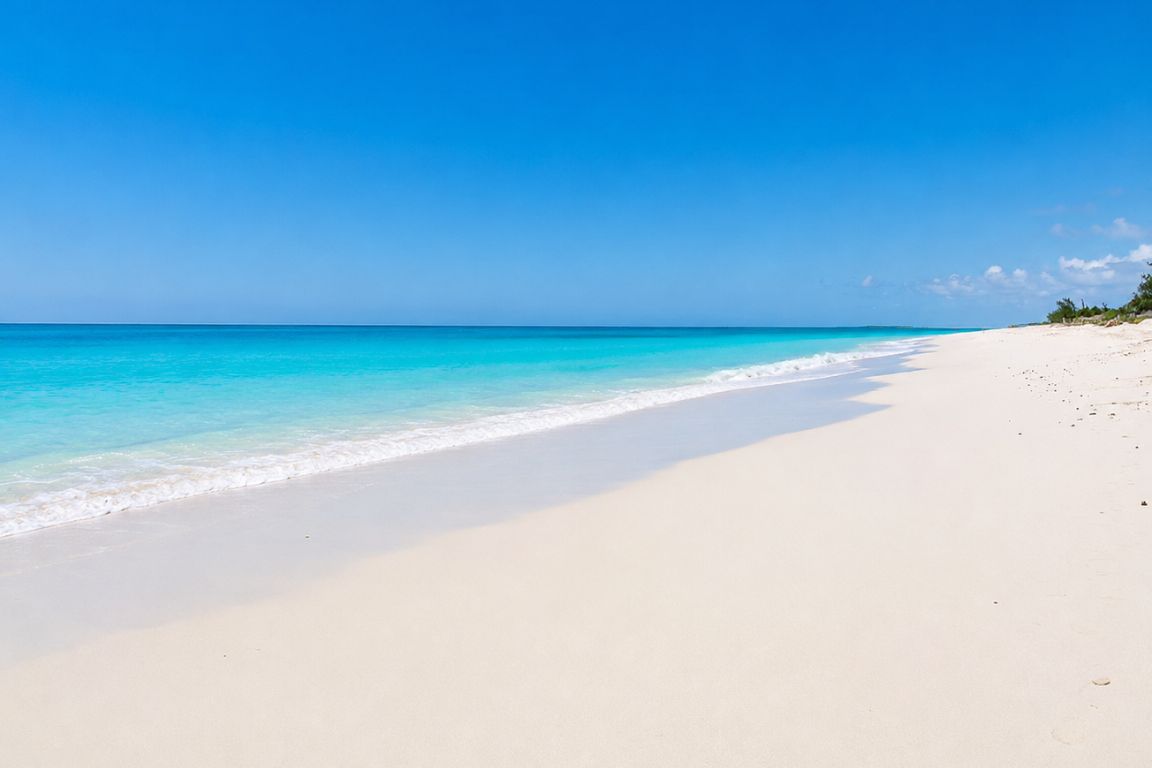
Every few weeks, someone writes in asking which island they should actually book: Turks and Caicos, Aruba, the Bahamas, or St. Lucia. They all show up on the same shortlists, they all get compared in the same Reddit threads, and none of the answers people find online tend to be honest about the trade-offs. So here's the honest version, island by island, built from what each place actually is rather than what its tourism board wants you to believe.
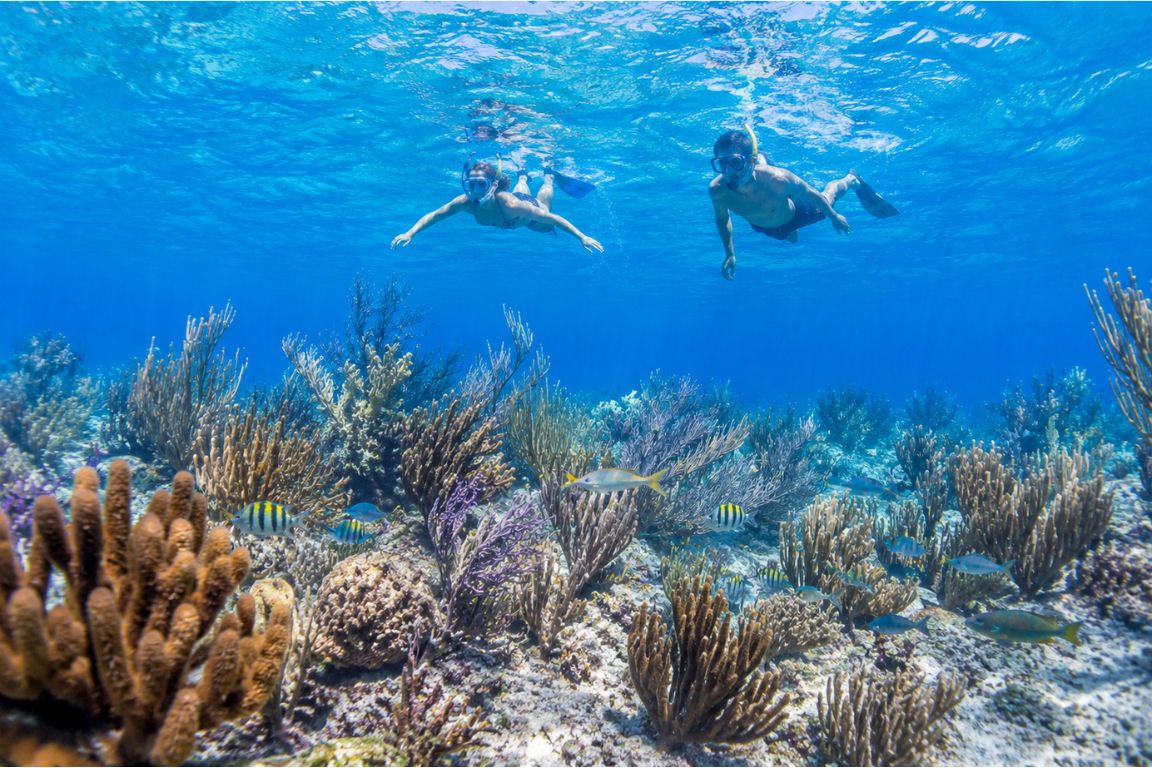
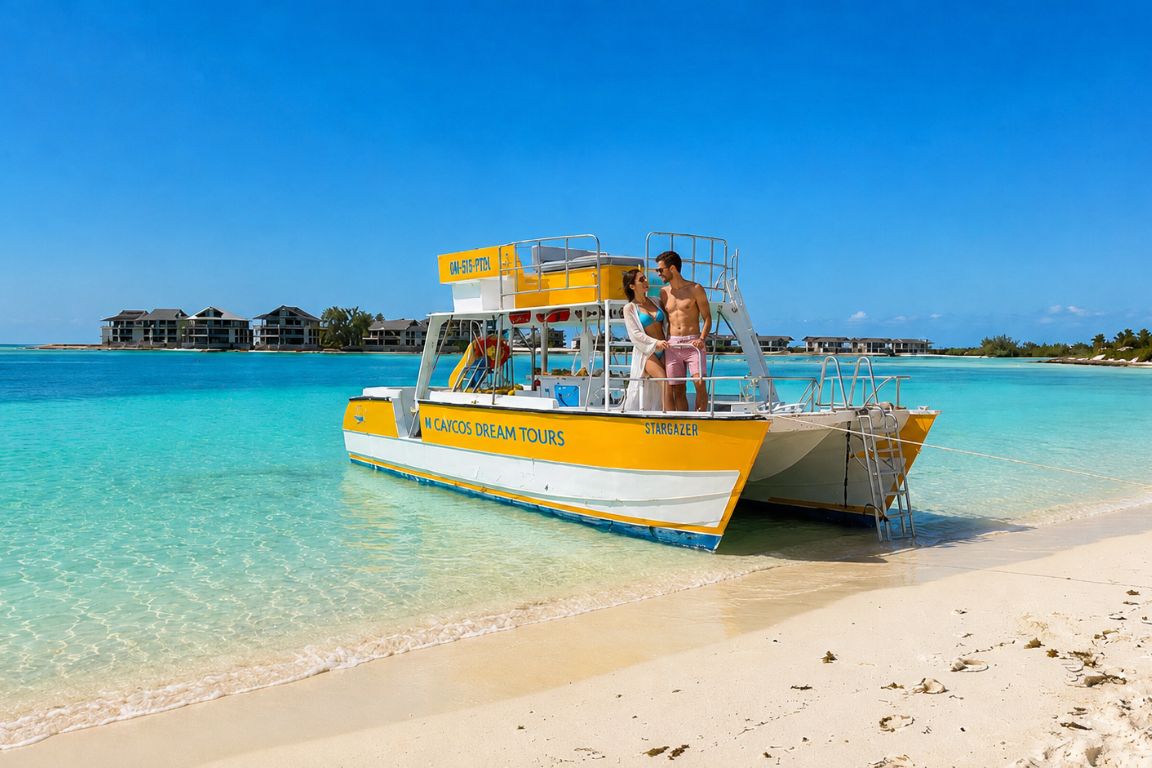
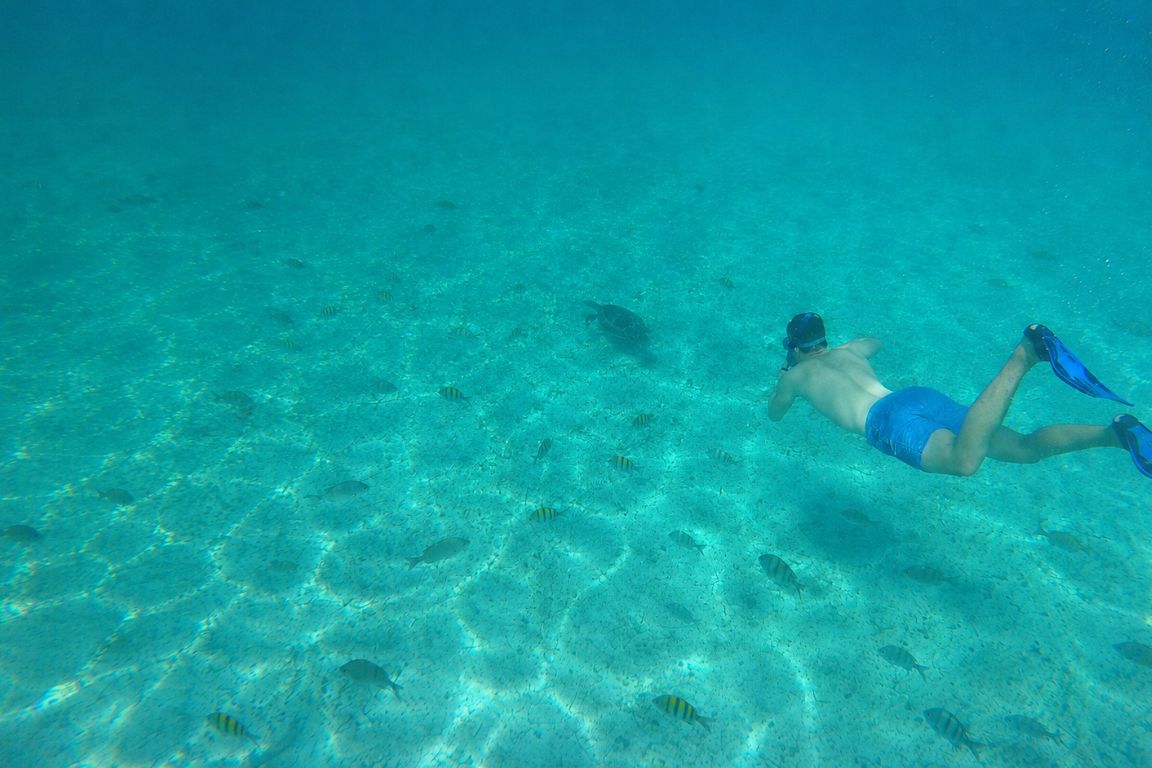
If beach and reef time is the reason you would pick Turks and Caicos, a half-day Grace Bay sail adds guided snorkeling without taking over the whole stay.
Your Turks And Caicos Plan
- Pick Providenciales when one reliable beach-and-reef week matters more than mountains, desert scenery, or island-hopping.
- Use a half-day Grace Bay sail when you want gear, a guided reef stop, food, and drinks handled in one outing.
- Confirm the island and actual tour date before arranging flights, hotels, or the rest of that day.
The short version up front: Turks and Caicos wins on beach and reef consistency, full stop. It loses on variety, on hurricane exposure relative to Aruba, and on the mountain scenery St. Lucia has and TCI simply doesn't. None of these four islands is a worse Caribbean trip than the others. They're different trips wearing similar marketing photos.
What follows is a breakdown of each comparison on its own, with the specific, checkable differences that actually matter when you're choosing between a plane ticket to Providenciales and one to Aruba, Nassau or St. Lucia. We haven't included the Cayman Islands here on purpose. That single comparison is large enough, and asked often enough, that it earns its own separate answer rather than a shortened version squeezed into this one.
Turks And Caicos Vs Aruba: Reef Country Against Desert Country
This comparison surprises people the most, because Aruba and Turks and Caicos look similar in a hotel brochure and are almost nothing alike once you land. Turks and Caicos is a flat limestone archipelago built around one exceptional stretch of sand and the third-largest barrier reef in the world. Aruba is a small, arid island in the southern Caribbean whose interior looks more like the American Southwest than a tropical postcard: cactus, wind-bent divi-divi trees, and rocky desert terrain known locally as the cunucu.
The single biggest practical difference is hurricanes. Aruba sits south of the main Atlantic hurricane belt and hasn't taken a direct hit since 1851, which is why it markets itself hard on that point during the June-to-November season when Turks and Caicos, along with most of the rest of the Caribbean, is watching the tropics (Aruba Tourism Authority). Turks and Caicos runs the standard Atlantic season, June 1 through November 30, with peak activity from August through October. If you're booking a summer trip and hurricane anxiety is a real factor for you, that's a legitimate point in Aruba's favor, not marketing spin.
The second difference is what the island looks like when you're not in the water. Aruba's arid climate means steady wind almost year-round, which is why it's one of the better windsurfing and kitesurfing destinations in the Caribbean, and why its beaches don't get the glassy, still mornings that Grace Bay does. Turks and Caicos has no real dry-desert landscape to speak of; it's flat, low, and green in the interior, with the beach and the reef doing all the work. Neither is right or wrong. They're just different climates producing different vacations.
Aruba's own headline beaches, Eagle Beach and Palm Beach, both run along the island's calmer leeward coast and get compared to Grace Bay constantly. They're wide and white, and Eagle Beach in particular is often ranked among the best in the Caribbean in its own right. The difference travelers tend to notice is texture and wind: Aruba's near-constant breeze keeps the sand a little firmer and the water a little choppier close to shore than Grace Bay's characteristically still, shallow water. If dead-calm, wade-in snorkeling conditions are what you picture, Grace Bay delivers that more reliably. If you want a beach that's just as attractive with a permanent ocean breeze keeping you cool, Aruba's leeward coast does that job well.
On cost, they land in a similar bracket. Aruba typically runs in the top quarter of Caribbean destinations for price, with mid-range travelers spending somewhere in the $250 to $400 per person per day range, which is close to what a mid-range Turks and Caicos trip costs before flights. Flight time from Miami is longer to Aruba, around three hours nonstop, against roughly 90 minutes to Providenciales.
| Category | Turks and Caicos | Aruba |
|---|---|---|
| Landscape | Flat, low-lying, coral and limestone | Arid and desert-like inland; cactus and rocky terrain |
| Hurricane exposure | Standard Atlantic season, June-November | Outside the main hurricane belt; no direct hit since 1851 |
| Main draw | Grace Bay Beach and the barrier reef | Eagle Beach/Palm Beach plus year-round wind sports |
| US State Dept advisory | Level 2, exercise increased caution | Level 1, exercise normal precautions |
| Flight from Miami | About 90 minutes | About 3 hours nonstop |
| Typical mid-range daily cost | Around $330-$610 per person | Around $250-$400 per person |
The State Department point is worth being precise about. Turks and Caicos sits at Level 2 mainly because of petty crime, purse-snatching and pickpocketing, concentrated in Providenciales' tourist areas, described as opportunistic rather than targeted or violent (US State Department). Aruba sits at Level 1 (US State Department). Level 2 is the same level assigned to France, the UK and Germany, so it's not a red flag in isolation, but if a lower baseline advisory matters to you specifically, Aruba has one.
There's also a language and cruise-ship difference worth knowing before you book. Aruba's official languages are Dutch and Papiamento, a Creole blend of Portuguese, Spanish, Dutch and West African roots, though English and Spanish are spoken everywhere tourism happens. The currency is the Aruban florin, but US dollars are accepted island-wide, so you'll rarely need to convert anything. Aruba's capital, Oranjestad, is also a cruise port, and on days when ships are in, the downtown shopping strip and nearby beaches get noticeably busier. Turks and Caicos doesn't have that problem on its main tourist island: cruise ships dock at Grand Turk, a separate island roughly a 30-minute flight or a much longer boat ride from Providenciales, so Grace Bay itself never sees cruise-day crowds.
Underwater, the two islands reward divers differently. Aruba's calling card is the Antilla, a 400-foot German freighter scuttled by its own crew off Aruba's coast in 1940 and now the largest shipwreck in the southern Caribbean, sitting shallow enough, as little as 15 feet down at its highest point, that snorkelers can see it clearly from the surface. Turks and Caicos doesn't have a comparable wreck dive as a signature attraction; its reputation rests on the barrier reef itself; the wall dropping to roughly 7,000 feet just offshore, and the ease of reaching healthy coral straight from the beach rather than from a dedicated wreck site.
Turks And Caicos Vs The Bahamas: One Beach Against Seven Hundred Islands
This is the comparison that comes up most often, partly because people genuinely confuse the two destinations. They're geologically related, both sitting on shallow limestone banks in similar latitudes, and both get lumped together in "which Caribbean island" listicles despite being separate countries with separate governments.
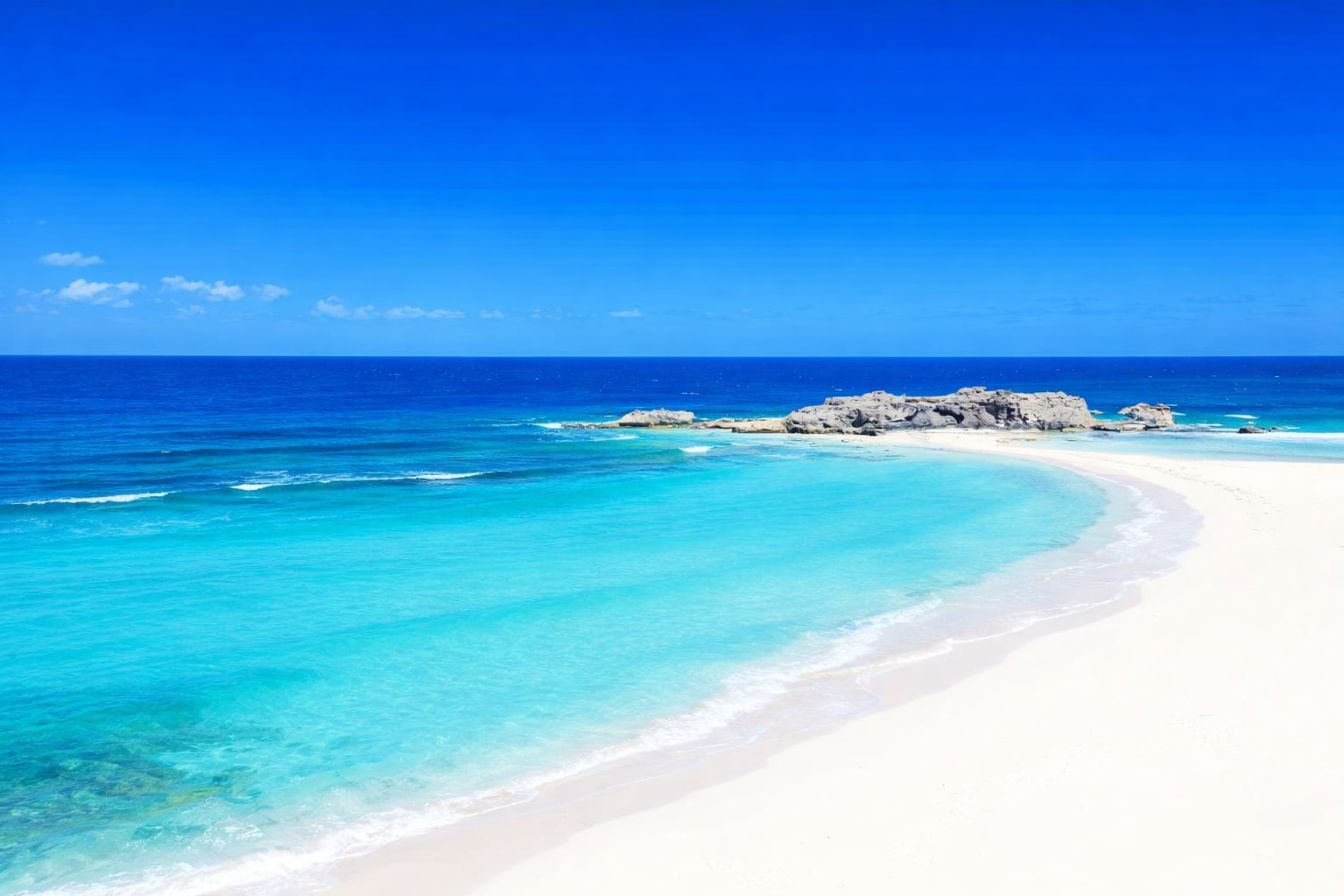
The scale difference is the whole story here. The Bahamas is made up of roughly 700 islands and more than 2,400 cays, and only about 30 of them are actually inhabited (Geography of the Bahamas). That means "the Bahamas" isn't one experience. Nassau and Paradise Island are dense, resort-heavy and casino-driven, closer in feel to a Vegas-on-the-water strip than a quiet beach escape. The Exumas are the opposite: sparsely developed, boat-access cays, swimming pigs, and the kind of remote sandbar days that require a charter to reach. Harbour Island has its famous pink-sand beach and a small, boutique, old-money resort scene unlike either of the other two. Turks and Caicos, by comparison, is one main tourism island, Providenciales, built around one exceptional beach, Grace Bay, with a handful of quieter alternatives nearby like Long Bay and Taylor Bay.
That means the real question isn't "Turks and Caicos or the Bahamas," it's "Turks and Caicos or which part of the Bahamas." Grace Bay is a more consistent, higher-quality beach than most individual Bahamian beaches you could name, including the ones in Nassau. But the Exumas and the out islands offer a level of remote, boat-accessed variety that Providenciales, being a single developed island, simply can't match without leaving TCI's own borders for a Caicos day trip.
Hurricane exposure is roughly comparable rather than a clear differentiator. The northern Bahamas, particularly Abaco and Grand Bahama, sit more squarely in the historic hurricane track and have taken frequent direct hits over the decades. Turks and Caicos has also taken serious direct hits, Hurricane Ike in 2008 damaged or destroyed more than 85% of buildings on Grand Turk and the southern islands. Neither destination should be booked in August or September on the assumption that it's the safer bet; both are inside the standard Atlantic season.
| Category | Turks and Caicos | Bahamas |
|---|---|---|
| Number of islands | 40+ islands and cays, 8 inhabited | ~700 islands, 2,400+ cays, ~30 inhabited |
| Consistency | One dominant beach (Grace Bay), high and reliable quality | Wildly variable by island, from Nassau to remote out islands |
| Best for | A single, dependable beach-and-reef week | Island-hopping, variety, larger group trips |
| US State Dept advisory | Level 2, exercise increased caution | Level 2, exercise increased caution |
| Flight from Miami | About 90 minutes to Providenciales | About 70 minutes to Nassau |
Both destinations sit at the same Level 2 State Department advisory, driven by broadly similar concerns around crime concentrated in tourist areas rather than anything unique to either island (US State Department, the Bahamas). Neither should be treated as the obviously safer choice over the other.
Cruise traffic is a real practical difference, too. Nassau is one of the busiest cruise ports in the world, welcoming more than four million passengers a year through Prince George Wharf, and on days with multiple ships in port, downtown Nassau and its nearest beaches feel it. Turks and Caicos separates its cruise business from its beach business almost entirely; ships call at Grand Turk, not Providenciales, so Grace Bay never has to absorb a few thousand extra day-trippers at once. If you've ever had a quiet beach morning interrupted by a wave of cruise passengers, that's a meaningful point in TCI's favor, and it applies just as much to Nassau as it does to some of the other islands in this guide.
Currency is one area where the two countries are identical in practice. The Bahamian dollar is pegged 1:1 to the US dollar and the two are used interchangeably at the register, exactly as the US dollar is used directly in Turks and Caicos. English is the official language in both places, so neither destination requires any adjustment on that front.
Turks And Caicos Vs St. Lucia: Flat Water Against Mountain Drama
Of the three comparisons in this guide, this is the one where the two islands look least alike from the moment you land. St. Lucia is volcanic and mountainous, built around the Pitons, twin volcanic peaks that rise more than 2,500 feet directly from the sea near the town of Soufrière and form a UNESCO World Heritage Site, with rainforest, hot sulphur springs and genuine geothermal activity in the surrounding area (UNESCO World Heritage Centre). Turks and Caicos has none of that. It's flat, coral-based, and the closest thing to a hike is a walk along a beach or a short trail through low scrub.
What that means practically: St. Lucia is a destination you visit partly for the scenery itself, not just the water. Boat tours past the Pitons, rainforest ziplines, hikes up Gros Piton, waterfall visits and a genuinely lush, green interior give it a kind of dimension TCI doesn't have. The tradeoff is the beaches, which are good but not uniformly world-class the way Grace Bay is; St. Lucia's best sand tends to be found on the calmer Caribbean side in the north, around Rodney Bay and Reduit Beach, rather than everywhere on the island.
Turks and Caicos gives up the mountains and gets, in exchange, one of the most consistent beach-and-reef combinations in the Atlantic. There's no equivalent to hiking a volcanic peak in TCI. There's also no equivalent to walking straight off a beach into a healthy, accessible barrier reef in St. Lucia; the reef systems there are real but smaller and less continuous than the Caicos barrier reef.
The land-based activity list in St. Lucia is genuinely long: the Tet Paul Nature Trail near Soufrière gives an easy-to-moderate walk with panoramic views straight at the Pitons, Toraille Waterfall drops about 50 feet into a swimmable pool a short walk from the road, and Rainforest Adventures near Babboneau runs a zipline canopy tour and an aerial tram through the forest, no experience required. None of that exists in Turks and Caicos in any form; the closest equivalent is a boat tour or an ATV ride, not a hike or a zipline through jungle. St. Lucia is also a cruise port at Castries, so its capital sees the same kind of ship-day crowding that Nassau and Oranjestad do, another point where TCI's separation of its cruise business (on Grand Turk) from its beach business (on Providenciales) works in its favor.
St. Lucia also carries more visible cultural layering than Turks and Caicos does. English is the official language, but French Creole, patois, is still widely spoken and reflects the island's history changing hands between French and British colonial rule more than a dozen times. That shows up in food, place names, and a livelier, more distinct local culture around Castries and Soufrière than the more homogenized, resort-driven feel of Providenciales.
| Category | Turks and Caicos | St. Lucia |
|---|---|---|
| Terrain | Flat, coral and limestone, no mountains | Volcanic and mountainous; the Pitons rise from the sea |
| Signature experience | Grace Bay Beach and the barrier reef | The Pitons, rainforest, and volcanic hot springs |
| Beach consistency | Very high; Grace Bay's 12-mile crescent | Good but concentrated in specific bays, mainly the north |
| US State Dept advisory | Level 2, exercise increased caution | Level 2, exercise increased caution |
| Flight from Miami | About 90 minutes | Under 5 hours nonstop |
| Typical mid-range daily cost | Around $330-$610 per person | Around $300-$700 per person |
If you're weighing Turks and Caicos against the Cayman Islands specifically instead of these three, that's a big enough question on its own that we've answered it separately in a dedicated comparison, since it's one of the single most common island-vs-island questions people ask.
Side By Side: All Three Alternatives At Once
It's worth saying plainly that "best" isn't a fixed answer across these four islands the way review scores or star ratings sometimes suggest. A family that wants one calm, shallow beach for young kids and a short flight is looking for something different from a couple that wants to hike a volcano one day and dive a shipwreck the next. Reading the table below as a ranking misses the point. It's closer to a menu.
Putting all four islands next to each other makes the pattern clearer. Turks and Caicos is the specialist: one exceptional beach, one exceptional reef, a flat and quiet island built almost entirely around the water. The other three are generalists in different directions, Aruba toward reliable weather and desert scenery, the Bahamas toward sheer variety and scale, St. Lucia toward mountains and land-based adventure.
| Island | Landscape | Hurricane risk | Best for | Weakest point |
|---|---|---|---|---|
| Turks and Caicos | Flat, coral, reef-focused | Standard Atlantic season | Beach and reef purists | Little land-based variety |
| Aruba | Arid, desert-like | Outside the main hurricane belt | Reliable weather, wind sports | Rockier, less classically tropical beaches inland |
| Bahamas | Varies enormously, 700+ islands | Higher exposure in the north (Abaco, Grand Bahama) | Island-hopping, group trips, variety | Inconsistent quality between islands |
| St. Lucia | Volcanic, mountainous, rainforest | Standard Atlantic season | Scenery, hiking, land-and-sea combination trips | Beaches good but not uniformly world-class |
The Honest Verdict
Choose Turks and Caicos if
Beach and reef quality is the actual point of your trip and you don't want to gamble on which part of a bigger, more variable destination you end up in. If you want to wade off a beach into a healthy reef without a boat, if you want a flat, uncomplicated island where the itinerary basically writes itself around Grace Bay, and if a slightly higher State Department advisory level doesn't bother you once you understand it's driven by petty theft rather than violence, TCI is the strongest of the four.
Choose Aruba if
You're traveling in hurricane season and want to remove that risk almost entirely, or you specifically want wind for kitesurfing or windsurfing, or you're drawn to the idea of a desert-meets-ocean landscape rather than a uniformly green, flat tropical one. Aruba also edges out TCI slightly on the State Department's baseline advisory level, for whatever that's worth to you personally.
Choose the Bahamas if
You want to island-hop, or you're traveling with a large group that wants very different experiences on the same trip, casino nightlife in Nassau, a quiet private-island resort, a remote Exumas sandbar day. The tradeoff is that you have to know which part of the Bahamas you're actually booking, because the country's reputation and any single island's reality are two different things.
Choose St. Lucia if
You want a trip built around scenery and activity, not just water. Hiking a volcanic peak, boating past the Pitons, ziplining through rainforest, and soaking in genuine hot springs are all things Turks and Caicos simply doesn't offer. You'll trade some beach consistency for a much more dimensional island, and you'll want to base yourself near Soufrière or Rodney Bay rather than expecting one strip to cover everything the way Grace Bay does.
One more practical note that applies across all four: none of these islands is a cheap add-on to a bigger multi-country trip. Flights are the one area where the differences are largest and easiest to plan around, 90 minutes from Miami to Providenciales against roughly 70 minutes to Nassau, 3 hours to Aruba, and under 5 hours to St. Lucia, so factor that into which islands are realistic for a long weekend versus which ones need a full week to justify the travel time.
None of these four islands is a wrong choice. They're four different answers to the question "what do I actually want from a Caribbean trip," and the honest move is picking based on that answer rather than which island photographs best on Instagram.