When To Avoid Turks And Caicos: Hurricane Season And The Slow Months (2026)
Atlantic hurricane season runs June 1 through November 30, with the real risk concentrated in a narrow window around early-to-mid September. Here's the honest trade-off between storm risk and the lowest prices of the year.
Use the section recommendations to match an outing to your trip, then compare dates and trip details at the end.
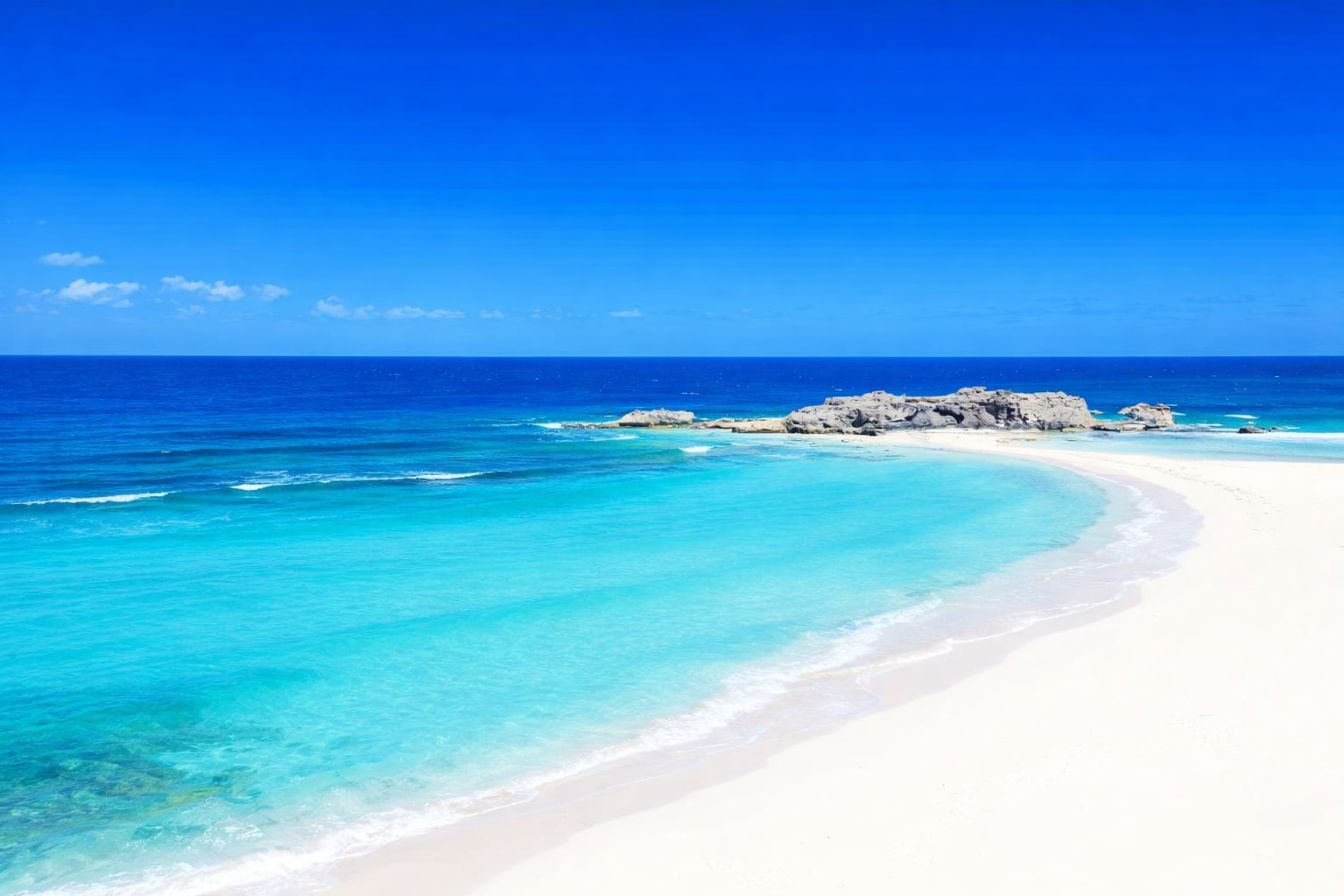
Every hurricane that has made a direct hit on Turks and Caicos in recorded history landed within the same two-week stretch, and it wasn't in October. It was the first half of September. That single fact says more about when to actually avoid this destination than a blanket "skip hurricane season" ever could, because hurricane season itself runs six months long, and most of those months are perfectly fine.
Choose a short, island-correct activity and check your actual travel date before arranging the rest of that day.
Your Turks And Caicos Plan
- Treat September 1 to 15 as the historically concentrated risk window, not a guaranteed disruption.
- Keep paid activities self-contained and confirm cancellation and rescheduling terms before booking.
- Match every plan to the island where you will already be staying.
When Atlantic Hurricane Season Actually Runs
The National Oceanic and Atmospheric Administration sets the official Atlantic hurricane season at June 1 through November 30. That's the full window insurers, forecasters, and airlines use, and it's also the number that scares off more travelers than it probably should. Six months of "season" doesn't mean six months of storms. NOAA's own climatology puts the statistical peak firmly in August through October, with the single busiest date of the year landing around September 10, the midpoint of the season rather than its start or its end.

The Riskiest Weeks, Not The Riskiest Months
Turks and Caicos has its own, narrower version of that curve. Every documented direct hurricane hit in the territory's history, including Hurricane Irma in September 2017 and Hurricane Ike in September 2008, made landfall between September 1 and September 15. That doesn't mean every September brings a storm; direct hits anywhere in the Caribbean are statistically infrequent in any single year. It means that when TCI's risk does materialize, it has historically clustered into a specific two-week window rather than spreading evenly across the whole season.

Elevated Risk Is Not The Same As A Guarantee
This distinction is worth sitting with before writing off half the calendar. August, September, and October carry meaningfully higher probability of a hurricane threat than June or July. They do not carry certainty. A traveler booking the first week of September in any given year is far more likely to have an ordinary, storm-free week than not. The risk is real and worth planning around, but it's a shift in probability, not a promise of disruption. Even in a rough year, the more common outcome is a flight delay or a rerouted itinerary from a storm that never makes landfall, not a direct hit on the island. Some Septembers pass with nothing more than a distant system that never threatens the islands at all, and there's no way to know in advance which kind of September you'll get when you book eight months out.
Why The Riskiest Months Are Also The Cheapest
The trade-off deserves to be stated plainly: the months with the highest hurricane risk are also the months with the lowest prices, and that isn't a coincidence, it's the market pricing the risk in on your behalf. September and October typically run 40 to 50 percent below peak winter rates. July and August sit in between, roughly 20 to 30 percent below peak as risk starts to climb. November splits the difference in the other direction: by early November the season's real risk has mostly passed, yet prices are still running 20 to 30 percent below peak before the holiday crowds return. Our own month-by-month breakdown and summer versus winter comparison both land on November as the strongest value window for exactly this reason, lower prices without the sharpest edge of the risk curve.
| Month | Hurricane Risk | Typical Pricing vs Peak Winter |
|---|---|---|
| June | Season opens; historically very low | Easing from spring highs |
| July | Low | 20-30% below peak |
| August | Rising, especially after mid-month | 30-40% below peak |
| September | Highest of the year; direct hits historically cluster Sept 1-15 | 40-50% below peak, lowest of the year |
| October | Still elevated; trending down late month | 40-50% below peak |
| November | Fading fast; effectively over by mid-month | 20-30% below peak |
Figures reflect general accommodation pricing patterns rather than any single property, and match the seasonal breakdown used across our other Turks and Caicos guides.
If You Actually Meant "Where," Not "When"
Some travelers land on this question after typing "where to avoid in Turks and Caicos" rather than "when," and the honest answer is that the two questions have different shapes. Hurricane risk isn't tied to a place, it's tied to a calendar: a storm threatens the entire territory at once, Providenciales, Grand Turk, and the Caicos cays alike, so there's no safer neighborhood to book around in September the way there might be for petty crime in a busy resort strip. If it's crime rather than weather you're actually weighing, that's a separate question with a separate answer, covered in full in our guide to whether Turks and Caicos is safe.

What Still Works If You Book This Window Anyway
None of this means writing off August through October if that's the only window your schedule or budget allows. It means booking around the risk instead of ignoring it. Choose refundable flights or one with an easy fare-change option, buy travel insurance that specifically covers trip cancellation and interruption from a named storm threat rather than only a declared disaster after the fact, and keep on-island plans loose enough to shift a day if a forecast changes. Shorter, self-contained activities are easier to move around a shifting forecast than a multi-day itinerary built around one fixed date. A 75-minute glass-bottom boat tour, for instance, is simple to rebook a day earlier or later than a longer excursion with a rigid departure window, and that flexibility matters more in September than it does in February.