Turks And Caicos By Month: Best Month To Visit
The best time to visit Turks and Caicos is from December to April for perfect beach weather, while November offers the best value with warm seas, fewer crowds, and lower prices.
Use the section recommendations to match an outing to your trip, then compare dates and trip details at the end.
Last updated: July 4, 2026
December through April is peak season: best weather, lowest rain risk, highest prices. February is the single best all-around month, combining peak whale season, excellent weather, and the widest range of activities. November is the best value month: shoulder pricing, warm water from summer sun, thin crowds, and weather that’s comparable to the dry season. September and October carry the highest hurricane risk and are the only months we’d actively caution against for travelers without flexible tickets and comprehensive travel insurance.
Once your month is taking shape, match the outing length and departure island to your actual travel date before arranging the rest of the trip.
Your Turks And Caicos Plan
- Use February or March for peak dry-season conditions, or May and November when you want warmer water, thinner crowds, and stronger value.
- Confirm the island first: Providenciales, Grand Turk, North Caicos, Middle Caicos, and Salt Cay are separate places with separate logistics.
- Check the exact tour date before you lock dining, transport, or other timed plans around it.
| Jan-Feb | Peak dry | 80-82°F | Highest | None | Whale watching, first-timers, honeymooners |
| Mar-Apr | Peak dry | 82-84°F | High | None | Families, spring break, diving, kiteboarding |
| May-Jun | Shoulder | 86-88°F | Moderate | Very low | Value-seekers, divers, couples |
| Jul-Aug | Summer | 89-90°F | Lower | Low-moderate | Budget travelers, families with school schedules |
| Sep-Oct | Low season | 88-90°F | Lowest | Highest | Very budget-conscious; flexible itineraries only |
| Nov-Dec | Shoulder/early peak | 82-85°F | Moderate-rising | Minimal (fades by Nov) | Best value, warm water, thin crowds |
Climate averages based on historical data for Providenciales. Individual years vary. Prices reflect general accommodation trends. Verified June 29, 2026.
When Is The Best Time To Visit Turks And Caicos?
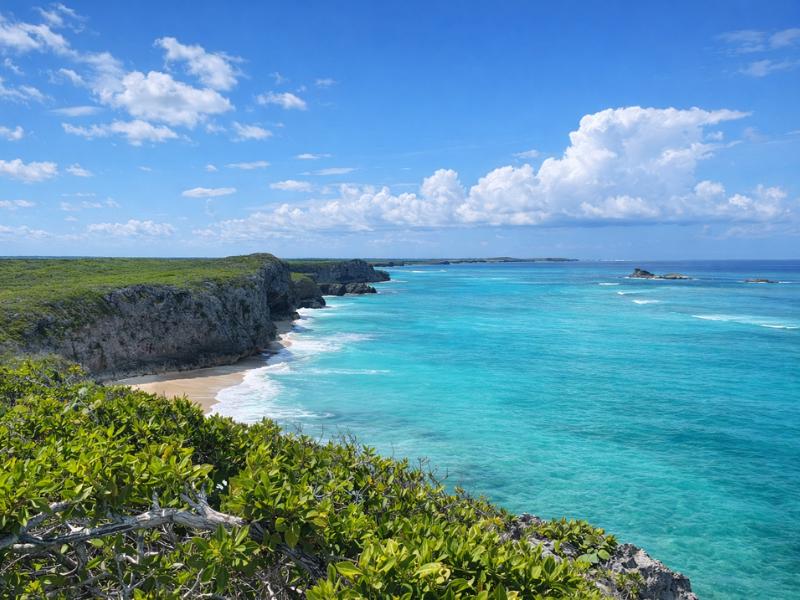
The best time to visit Turks and Caicos is December through April, the dry season, when rainfall is minimal, humidity is manageable, and hurricane risk is zero. February is the single best all-around month: peak humpback whale season, consistent sunshine, warm but not oppressive temperatures, and every activity fully available. For the best value without meaningful weather compromise, November is the month experienced TCI travelers quietly prefer.
TCI has 350 days of sunshine per year and one of the lowest annual rainfall totals in the Caribbean, around 33 inches (84 cm), compared to over 80 inches in parts of Jamaica or Costa Rica. This means no month is truly bad for a beach trip. What changes across the year is the probability of rain disrupting plans, the risk of a hurricane affecting travel logistics, the price of accommodation, and the density of fellow visitors. The water temperature, one of the most important variables for snorkeling and diving, barely shifts: 77 to 80 degrees Fahrenheit in the dry season, warming to 83 to 84 degrees by late summer.
The decision framework is simple. If budget is not a constraint and you want guaranteed excellent weather plus whale season: go in January or February. If you want the best weather at slightly lower prices with fewer crowds: March or April. If you want warm water, empty beaches, and significant savings and can accept some heat and humidity: May through June or November. If budget is the primary driver and you understand the risk: late July through October, with September and October requiring flexible travel plans and solid insurance.
Not sure when to go or what each season actually feels like on the island? This breakdown on the best time to visit Turks and Caicos tours covers weather, crowds, and pricing month by month.
What Is Turks And Caicos Like In January And February?
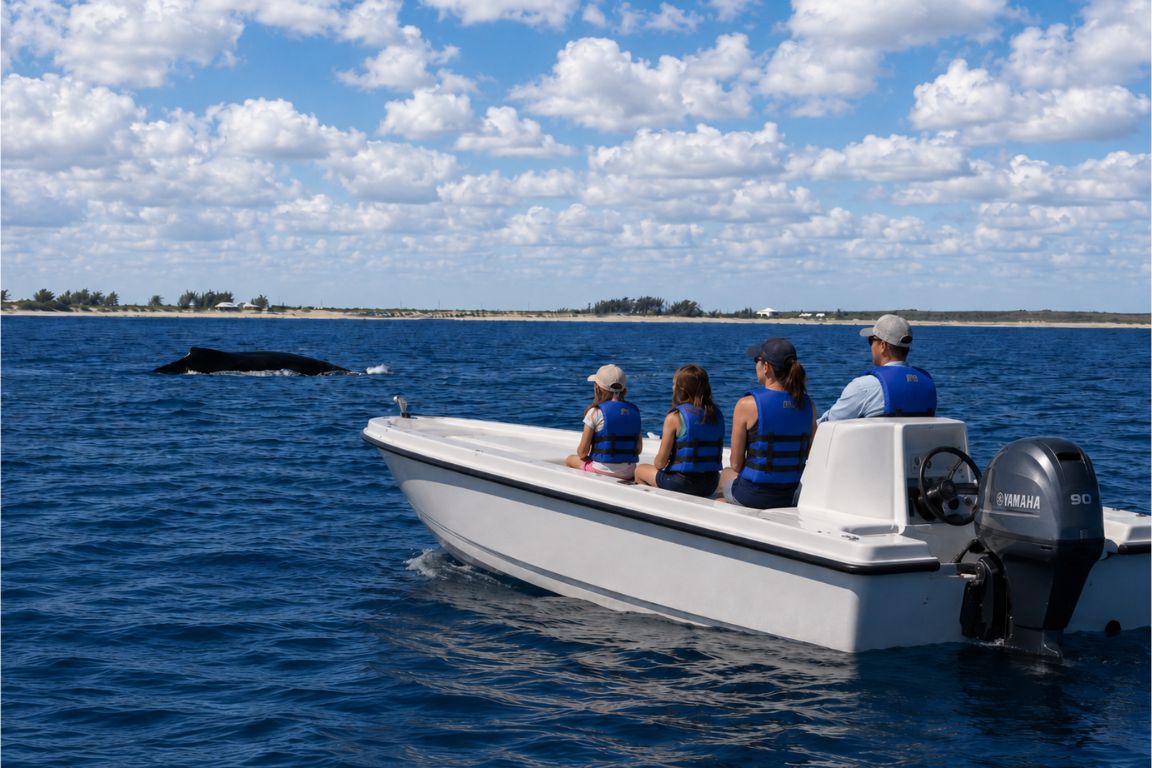 January and February are the peak months in every category that matters: weather, whale season, dive visibility, and activity availability. Temperatures run 80 to 82 degrees Fahrenheit with low humidity and a reliable northeast trade wind that keeps Grace Bay comfortable even in full sun. Prices are at their highest and availability tightest, particularly in February when peak whale season and peak tourism overlap. Book four to six months in advance for these months.
February deserves specific treatment as the best single month. Humpback whale sightings near Salt Cay and Grand Turk peak in February, making it the only month where you can combine pristine dry-season beach and reef conditions with the highest probability of a whale encounter. The Valentine’s Day Cup, a traditional model sailboat race held on Bambarra Beach on Middle Caicos, is one of the most genuinely local events in the TCI calendar. Dive visibility runs 80 to 100 feet on the outer reef. Kiteboarding conditions are excellent due to consistent trade winds. Everything is open and running at full capacity.
January is marginally less crowded than February with comparable weather. Christmas and New Year’s week carry the highest prices of any period in the year, often 40 to 60% above standard peak pricing. Traveling in early to mid-January after the holiday rush clears gives you the same weather at slightly more accessible prices. Water temperature in January averages 77 to 78 degrees Fahrenheit, which feels briefly cool on entry but is perfectly comfortable for extended snorkeling. These are the months that fully justify TCI’s reputation as a top-tier Caribbean destination.
What Is Turks And Caicos Like In March And April?
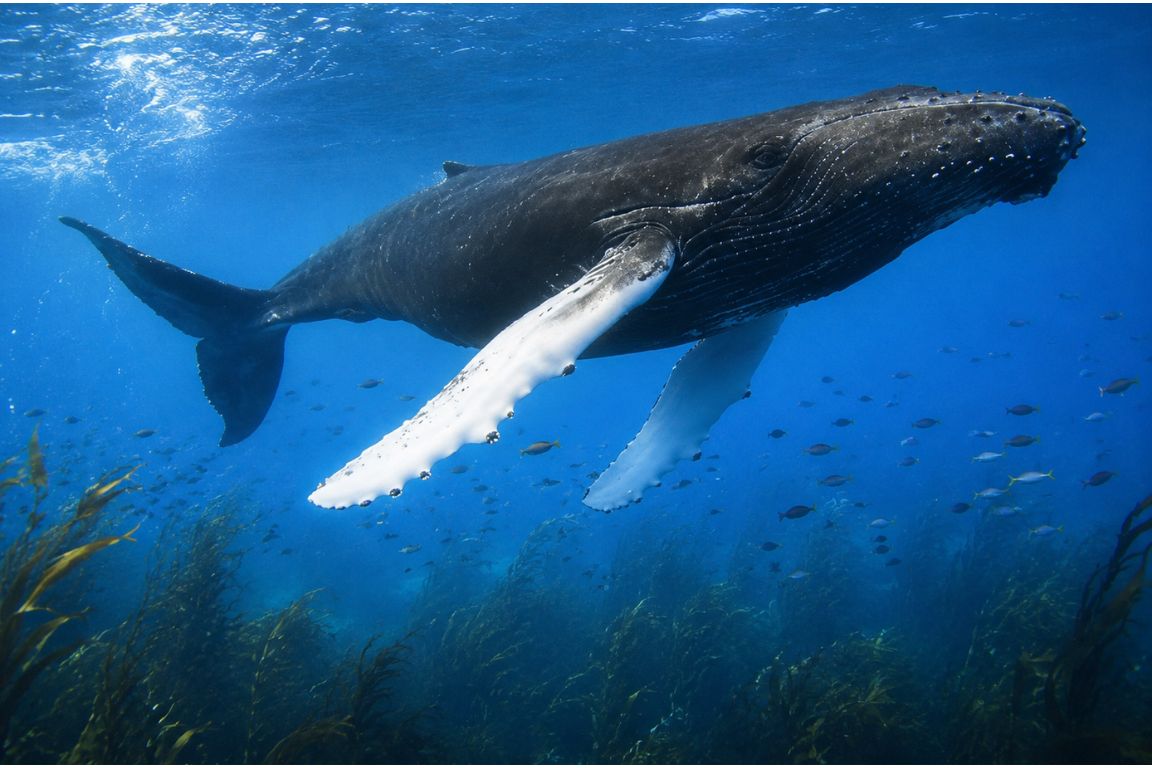 March and April continue excellent dry-season conditions with slightly warmer temperatures and a gradual easing of the trade winds as the season progresses. Spring break brings the highest visitor volumes of the year in mid-March to early April, particularly at Grace Bay’s larger resorts. April is quieter and represents strong value relative to February and March, with comparable weather and prices starting to soften. Humpback whales are still present in early March but largely departed by mid-month.
March is when TCI’s spring break crowds arrive. The experience is considerably more sedate than spring break destinations like Cancun or the Dominican Republic: TCI doesn’t attract the large group party market, and the higher price point self-selects for a more low-key visitor profile. That said, Grace Bay does get noticeably busier in mid-March to early April, and popular beach tour operators and restaurants see full capacity. Book boat tours early in your stay rather than assuming walk-up availability.
April is a transition month with some of the best characteristics in the entire TCI calendar. The dry season hasn’t ended. Temperatures are warm but still comfortable, settling around 83 to 84 degrees Fahrenheit. Crowds are thinning from the spring break peak. Accommodation prices are beginning their gradual seasonal decline. April is also the last month of lobster season before the closed period begins: fresh local lobster on restaurant menus is genuinely worth seeking out. The Easter Kite Festival on Grace Bay Beach is one of the more visually distinctive local events of the year.
Some of the best things to see in TCI are only accessible by water. Here’s a full guide on the best boat tours in Turks and Caicos so you pick the right one for your group.
What Is Turks And Caicos Like In May And June?
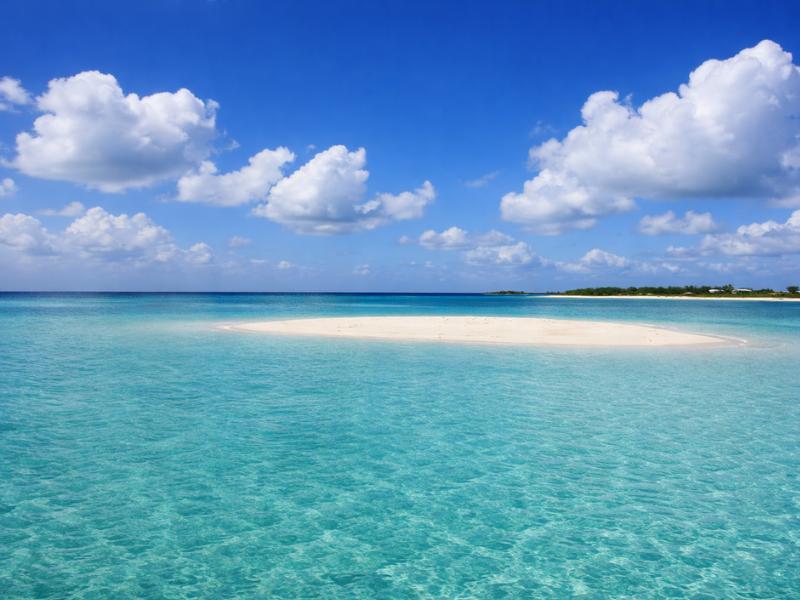
May and June are shoulder months with excellent weather, warm water, noticeably lower prices, and significantly thinner crowds. Temperatures climb to 86 to 88 degrees Fahrenheit with increasing humidity, but consistent trade winds remain. Hurricane season officially begins June 1 but statistical storm activity at this early point is extremely low. May is the best single month for value-conscious first-time visitors who want quality conditions without peak-season pricing.
May is the month experienced TCI travelers recommend most enthusiastically to anyone asking about alternatives to peak season. The water is warming from the dry-season baseline toward its summer peak but is still excellent for snorkeling. Accommodation prices have dropped noticeably from the March highs. Beaches are dramatically less crowded: Grace Bay in mid-May is a fundamentally different experience from Grace Bay in mid-February, with the same water and sand and a fraction of the people. Restaurant reservations are available the same day. Boat tour operators have capacity. This is not a compromise; for many travelers it is a preference.
June shares most of these advantages. Hurricane season technically starts June 1, but the early part of the season produces little meaningful storm activity in this part of the Caribbean. June gives budget-conscious travelers a full month of favorable conditions before the summer heat and humidity peak. Conch season closes in July, so June is the last month for locally caught fresh conch at restaurants, which is a specific culinary reason to visit.
Trying to figure out if the winter premium is actually worth it or if summer is more underrated than people think? Here’s summer vs winter in Turks and Caicos tours broken down so you stop second-guessing and start booking.
What Is Turks And Caicos Like In July And August?
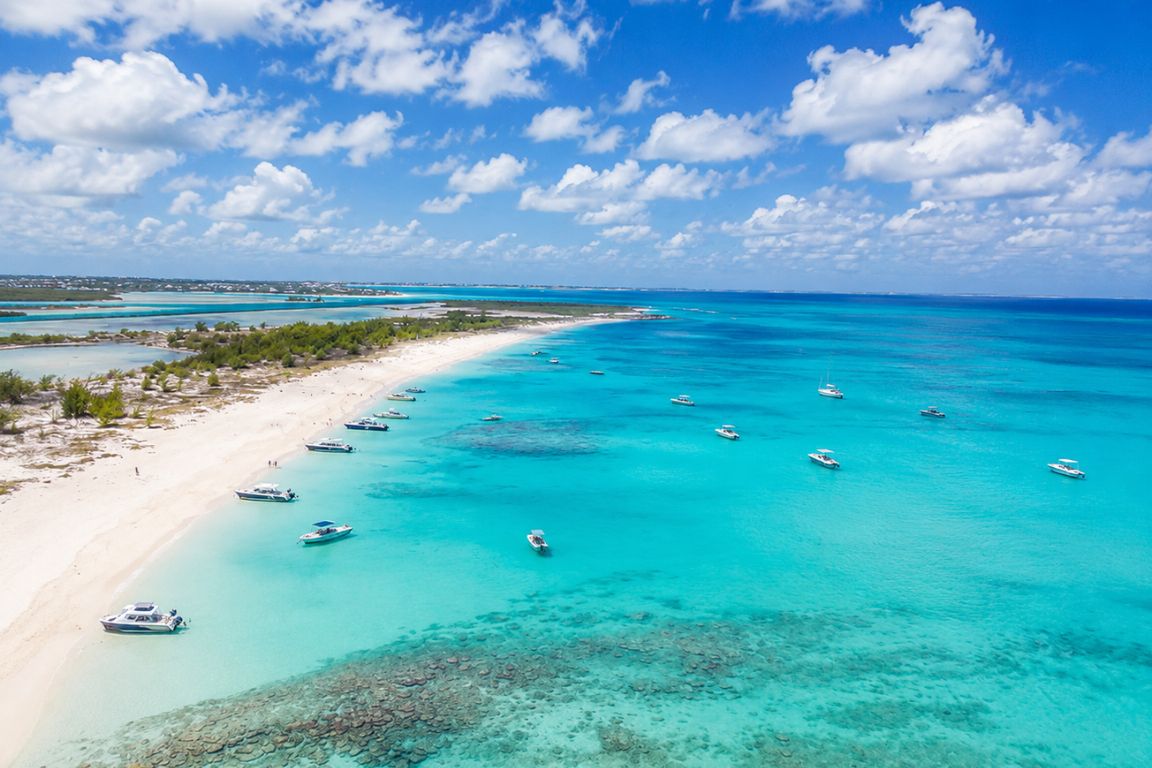 July and August are hot, humid, and sunny, with temperatures reaching 89 to 90 degrees Fahrenheit and water temperatures climbing to 83 degrees. Hurricane season is active but statistically low-probability in July, rising through August. Prices are meaningfully lower than peak season, around 30 to 40% below February rates. These months work well for budget-conscious families with school schedules, who find TCI’s water and beaches as beautiful as in any other month despite the heat.
The honest picture of summer in TCI: it is hot. The combination of 90-degree air temperatures, 83-degree water, and elevated humidity produces a genuinely tropical experience that some visitors find perfect and others find oppressive. The trade wind that makes spring so comfortable is lighter in summer, so midday sun on the beach is more intense. The practical adaptation is simple: earlier morning beach and boat sessions, a midday break in air conditioning, and late afternoon return to the water when the sun angle drops and any sea breeze picks up.
What doesn’t change is the water. Grace Bay looks exactly the same in August as it does in February. The reef holds the same fish, the same turtles, the same clarity. Boat tours to Half Moon Bay and Little Water Cay run the same routes. The Turks and Caicos Music and Cultural Festival in late July to early August is a genuine reason to visit specifically in this window: local music, food, and events that peak-season visitors consistently miss. Confirm tour availability when booking; some smaller operators run reduced schedules in August.
Not sure if Little Water Cay is worth adding to your TCI itinerary? This Little Water Cay guide covers what’s actually on the island, how long you need, and which tours include it as a stop.
What Is Turks And Caicos Like In September And October?
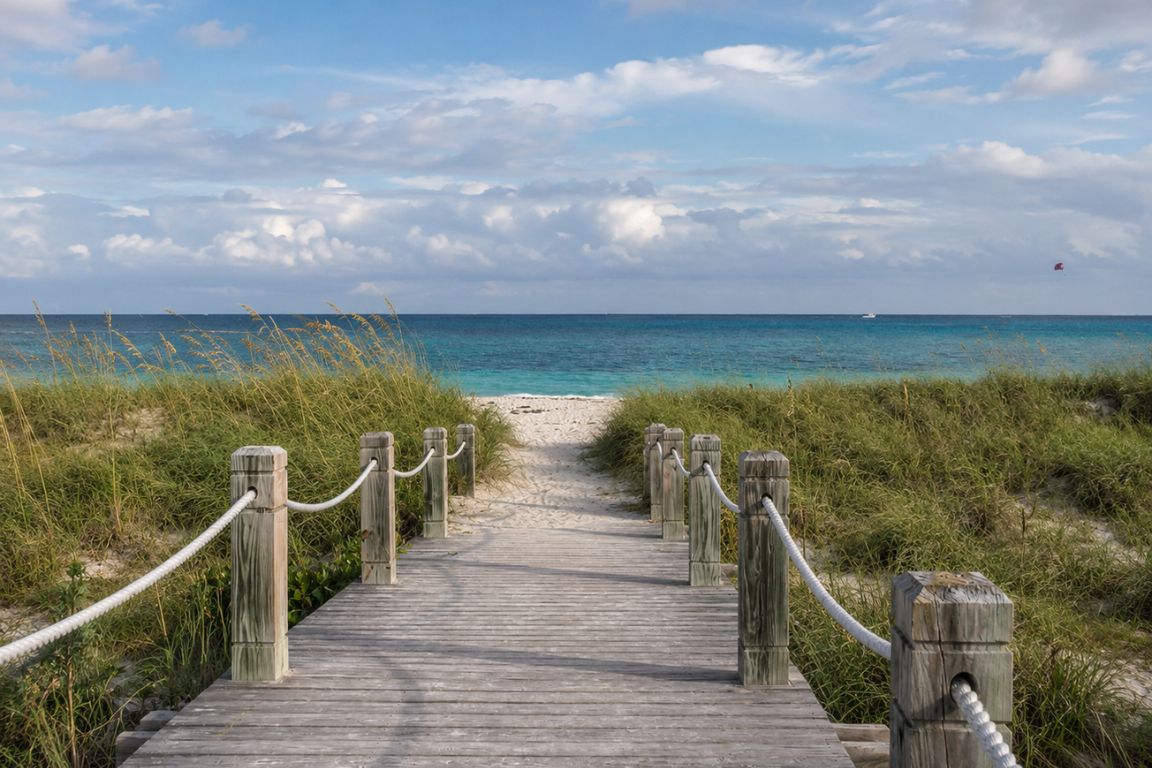 September and October are the lowest-priced months and the highest-risk months. These are the peak weeks of Atlantic hurricane season, with every major direct hit in TCI history occurring between late August and mid-September. Prices drop 40 to 50% below peak rates. Some restaurants and hotels close for renovation. Travelers visiting in September and October need genuinely flexible return flights and comprehensive travel insurance, not as optional precautions but as practical requirements.
The historical record is specific: every major hurricane to make landfall in TCI struck between September 1 and September 15. Hurricane Irma hit September 7, 2017. Hurricane Ike struck September 6, 2008. Hurricane Hanna on September 1, 2008. Hurricane Frances on September 1, 2004. Hurricane Donna on September 7, 1960. This doesn’t mean every September brings a hurricane; direct hits are statistically infrequent across the Caribbean. But the window from late August to mid-September is where TCI’s risk is most concentrated.
The practical consequence for travelers isn’t only the storm itself. Flight cancellations and rescheduling due to a storm threat are far more common than actual landfalls. A traveler with inflexible return flights during a storm watch faces significant disruption even if the storm ultimately misses. Travel insurance specifically covering trip cancellation due to hurricane threat (not just a declared hurricane) is the minimum protection that makes September and October travel manageable. What’s genuinely good about this window: water temperatures reach 84 degrees Fahrenheit, the warmest of the year, beaches are emptier than at any other time, and resorts often provide meaningful perks for guests willing to accept the weather risk.
What Is Turks And Caicos Like In November And December?
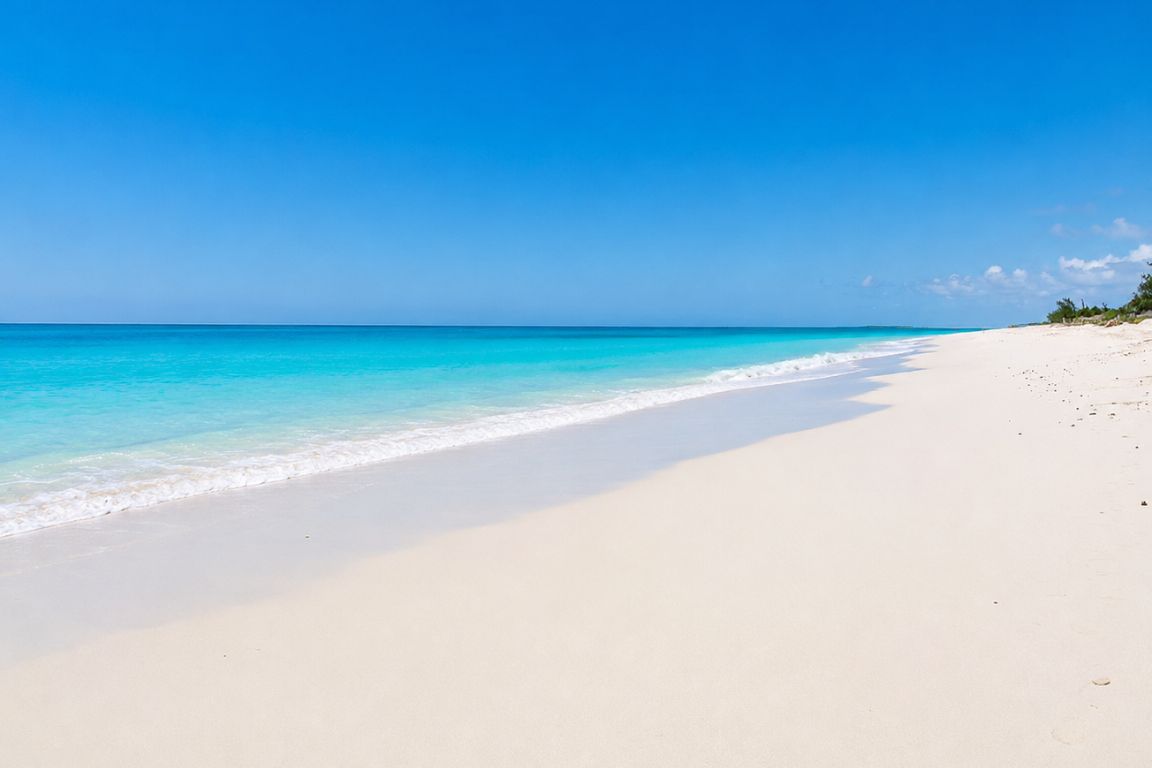 November is the best value month in TCI: hurricane season is winding down by early November, accommodation prices are still at shoulder rates, water temperatures are at their annual warmest from months of summer sun, crowds are at their year-round minimum, and the weather is approaching dry-season quality. December brings the return of holiday crowds with Christmas and New Year’s weeks at peak pricing, but early December before the holiday rush is another excellent value window.
November is the month experienced TCI operators and repeat visitors consistently recommend when asked for a value alternative to peak season. By early November the meaningful hurricane risk has passed. The water is 82 to 84 degrees Fahrenheit, warmer than February. Beaches are as quiet as they get. A villa that costs $6,000 a night in February might run $3,800 in November. For a week-long stay that’s a substantial saving with no meaningful degradation in the beach and reef experience. The Conch Festival, typically held in November, is one of the most popular local events in the TCI calendar: local music, food, and a genuine island atmosphere that peak-season visitors rarely experience.
December is a split month. Early December, before roughly December 20, continues November’s advantages: improving weather, shoulder pricing, manageable crowds. The arrival of holiday travelers after December 20 pushes prices to their annual peak. Christmas week is the most expensive accommodation window of the year. New Year’s Eve in TCI, with fireworks over Grace Bay Beach viewable from the water on an evening charter, is a genuinely memorable way to end the year if the price is not a constraint. If budget matters, early January after the holiday exodus is a better entry point.
Trying to decide where to spend your limited beach time on the island? Here’s Grace Bay vs Long Bay Beach broken down so you stop second-guessing.
Which Month Is Best For You Specifically?
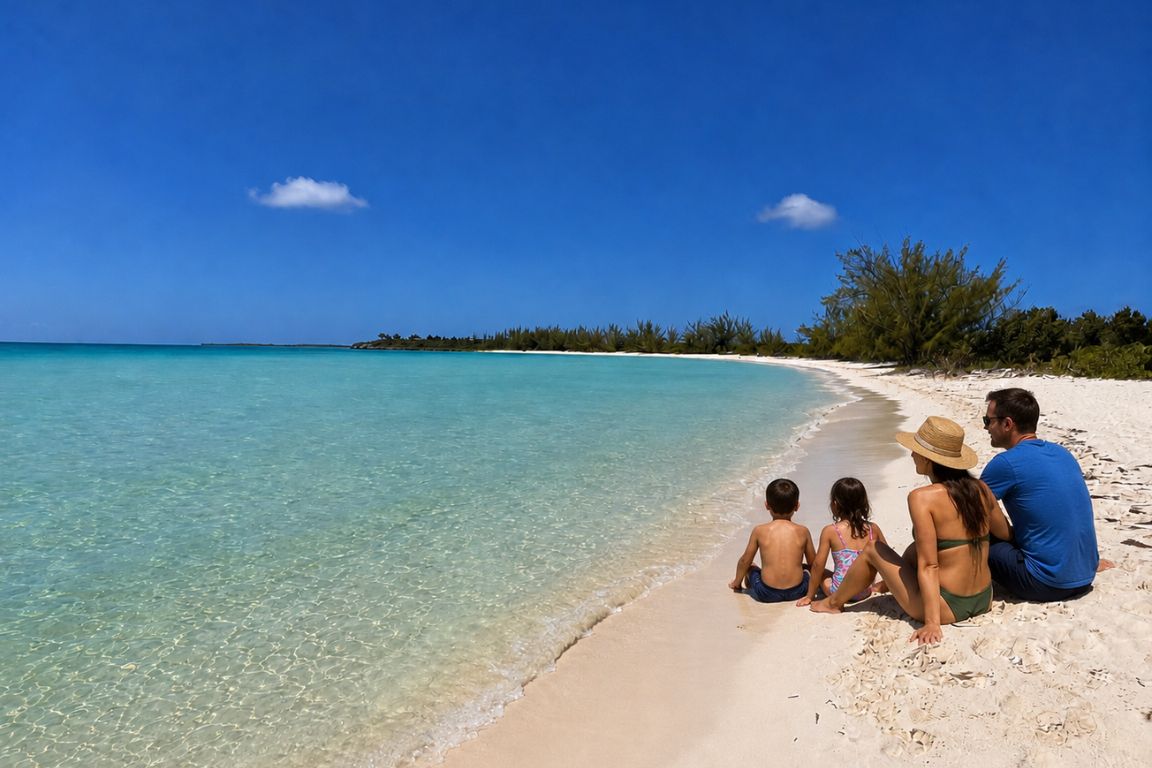 For first-time visitors wanting the best overall experience: February or March. For honeymooners and couples: February for whale season plus romance, or November for the best value. For families with school schedules: mid-January, April, or the first two weeks of July. For budget travelers: May or November. For serious whale watchers: February only. For divers: any month; late summer has the warmest water. For September and October: only with flexible flights and comprehensive trip insurance.
| First-time visitors | February, March | Peak weather, all activities running, zero hurricane risk |
| Honeymooners | February, November | Feb: whale season + peak beauty; Nov: best value + privacy |
| Families (school schedules) | Mid-January, April, early July | Avoid peak holiday premiums; April excellent for families |
| Budget travelers | May, November | Strong value with no hurricane risk; comparable experience |
| Whale watchers | February | Peak sighting frequency; Salt Cay and Grand Turk at best |
| Divers and snorkelers | Any month; Aug-Oct warmest water | Visibility excellent year-round; outer reef best Dec–Apr |
| Kiteboarders | December through April | Consistent northeast trade winds; Long Bay Beach at its best |
| Value seekers (flexible dates) | November, early December | Best price-to-quality ratio in TCI; warm water, thin crowds |
Recommendations verified June 29, 2026. September and October travelers should carry comprehensive trip cancellation insurance covering hurricane disruption.
We’ve got a full breakdown on the best time for dolphin tours in Turks and Caicos if you want to know exactly when to go, which operators run the best trips, and how to tell a good tour from a disappointing one.
Whatever month you’re targeting, the difference between a good TCI trip and a great one comes down mostly to tour selection, operator quality, and timing within the day. We’ve run tours in every month of the year since 2012. Questions about which month works for your specific group, budget, and priorities? Our team at Turks and Caicos Tours has answered this question thousands of times and is happy to give you a direct answer rather than a general one.
Frequently Asked Questions
What is the cheapest month to visit Turks and Caicos?
September and October are the lowest-priced months, with accommodation rates 40 to 50% below peak season. However, these are also the peak hurricane risk months. For the best value without meaningful weather risk, November is a stronger choice: prices still 20 to 30% below peak and hurricane season effectively over.
What months should you avoid in Turks and Caicos?
Mid-August through mid-September carries the highest hurricane risk. Every major direct hurricane hit in TCI history occurred between September 1 and September 15. This doesn’t mean a storm is likely in any given year, but the risk is concentrated. Travelers visiting this window need flexible flights and comprehensive trip insurance covering hurricane disruption.
Is Turks and Caicos good in the summer?
Yes, with adjusted expectations. The water is beautiful and warmer than winter. Beaches are quieter and prices are lower. Trade-offs include 89 to 90 degree Fahrenheit air temperatures with meaningful humidity, and mid-August through September hurricane risk. July and early August work well for budget-conscious travelers who shift beach activity to morning and late afternoon.
When is Turks and Caicos least crowded?
September and October are the quietest months by visitor volume, with some restaurants and smaller operators running reduced schedules. November is the best combination of thin crowds with fully operational tourism infrastructure. Grace Bay in November has none of the mid-February crowd density and all of the beach quality.
We’ve run tours in every month of the TCI calendar since 2012. If you want a direct answer about which month works for your specific dates, budget, and priorities, our team at Turks and Caicos Tours will give you one.
Written by Baran Ellis
British tour guide since 2012 · Founder, Turks and Caicos Tours
Baran has guided over 16,800 travelers across Providenciales, Grand Turk, and the Caicos cays since founding the agency.