Summer Vs Winter In Turks And Caicos
Winter and summer both showcase the best of Turks and Caicos, but the right season depends on whether you prioritize perfect weather, whale watching, and breezy conditions or lower prices, warmer water, and fewer crowds.
Use the section recommendations to match an outing to your trip, then compare dates and trip details at the end.
Last updated: July 4, 2026
Winter (December through April) offers the best weather, zero hurricane risk, whale watching from January to March, consistent trade winds for kiteboarding, and the full tourism infrastructure operating at capacity. It costs 30 to 50% more and requires advance booking. Summer (June through August) offers the warmest water, calmer seas for diving, significantly lower prices, and far fewer crowds. It comes with heat, humidity, and hurricane season risk from mid-August onward. Both seasons produce genuinely beautiful TCI beach and reef experiences. The choice is almost always about budget and which exclusive experiences matter most to you.
Once your season is taking shape, compare a Grace Bay sail, a mangrove kayak outing and a full-day cay adventure before arranging the rest of your itinerary.
Your Turks And Caicos Plan
- Choose winter for typically cooler, drier conditions and summer for warmer water and lighter crowds, then verify forecasts for your actual dates.
- A four-hour Grace Bay sail is a practical mix of snorkeling, cay scenery and beach time to check against either season.
- Confirm the correct island, departure point and activity date before arranging nearby meals or transport.
| Air Temperature | 80-84°F; low humidity | 88-90°F; higher humidity |
| Water Temperature | 77-80°F | 82-84°F (warmest of year) |
| Rain Risk | Very low; dry season | Low to moderate; brief showers |
| Hurricane Risk | None | Low in June-July; rising Aug |
| Accommodation Prices | Peak; 30-50% above baseline | 20-40% below peak |
| Crowds | Highest; book 4-6 months ahead | Moderate; walk-ups possible |
| Whale Watching | Jan-Mar only | Not available |
| Kiteboarding Conditions | Excellent; consistent trade winds | Good; lighter and less consistent |
| Diving/Snorkeling Seas | Slightly choppier; 80-100ft visibility | Calmer; flat conditions ideal |
| Fresh Lobster | Available (season: Aug-Mar) | Starts August 1 |
| Fresh Conch | Available year-round (Dec-Feb closed for grouper) | Available; conch closes July-Aug for export |
Data verified June 29, 2026. Prices reflect general accommodation trends; specific properties vary.
Should You Visit Turks And Caicos In Summer Or Winter?
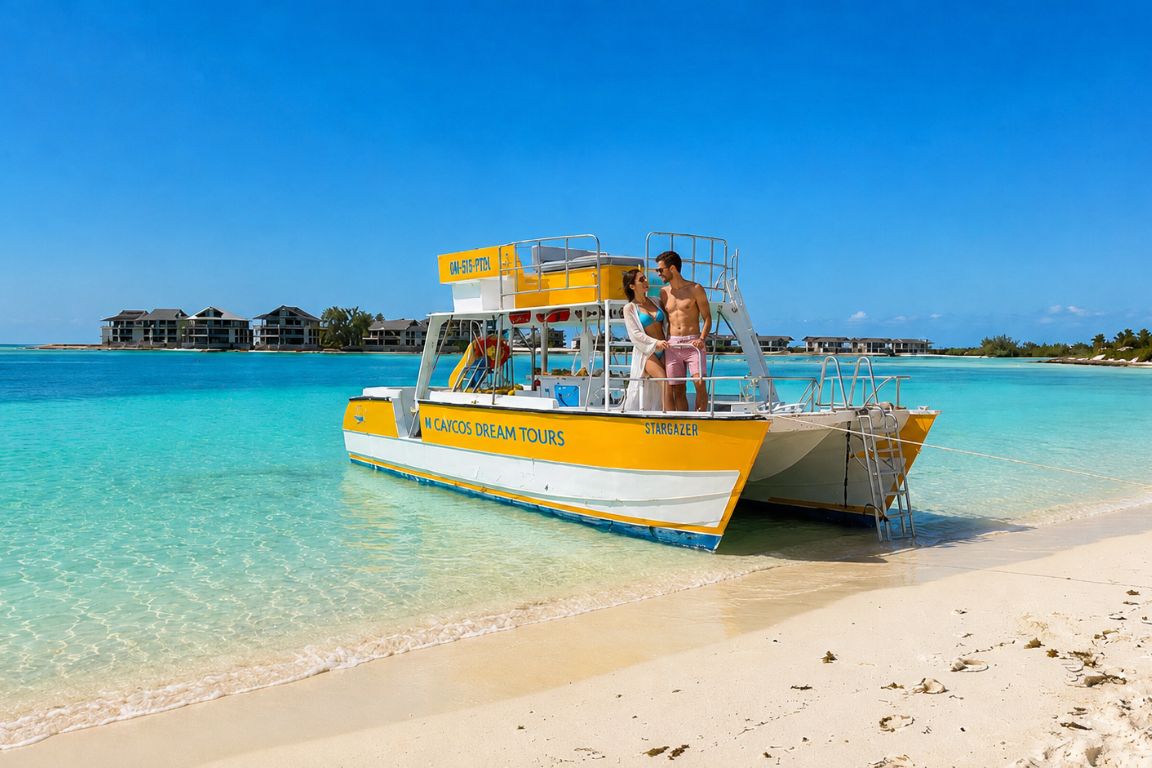 Winter is the safer, more expensive, and more activity-rich season: best weather, whale watching, consistent kiteboarding, and zero hurricane risk. Summer is the warmer, cheaper, and quieter alternative: calmer seas for diving, 20 to 40% lower prices, and noticeably emptier beaches. Both seasons produce a genuinely excellent TCI trip. The choice comes down to budget, which exclusive experiences matter, and whether school schedules leave any flexibility at all.
TCI’s climate is mild enough year-round that a beach and reef holiday works in any month. The water temperature difference between February and July is less than 10 degrees Fahrenheit. Grace Bay looks the same in August as it does in January: the same color, the same sand, the same reef a short swim offshore. What changes between summer and winter is the layer of experiences on top of that baseline: whale watching is a winter-only proposition, kiteboarding is meaningfully better in winter, and hurricanes are a summer-only risk. These are real differences, not cosmetic ones.
The traveler who has seen humpback whales in the Turks Island Passage or done a February morning on a private charter when the water is flat and clear and the dolphins appear in the bow wave has a winter trip in their memory that they’d struggle to replicate in summer. The traveler who got a beachfront villa at 35% off the February rate, had Grace Bay to themselves on a Tuesday morning in July, and snorkeled the reef in the warmest water of the year has a different but equally valid story. Understanding which experience you’re actually looking for is what this comparison is designed to clarify.
If you are still weighing seasons, start with the best boat tours in Turks and Caicos and see which departures actually run in your dates.
Timing your trip to TCI can mean the difference between perfect weather and hurricane season. Here’s a full guide on the best time to visit Turks and Caicos tours so you book the right window.
What Is Winter Like In Turks And Caicos?
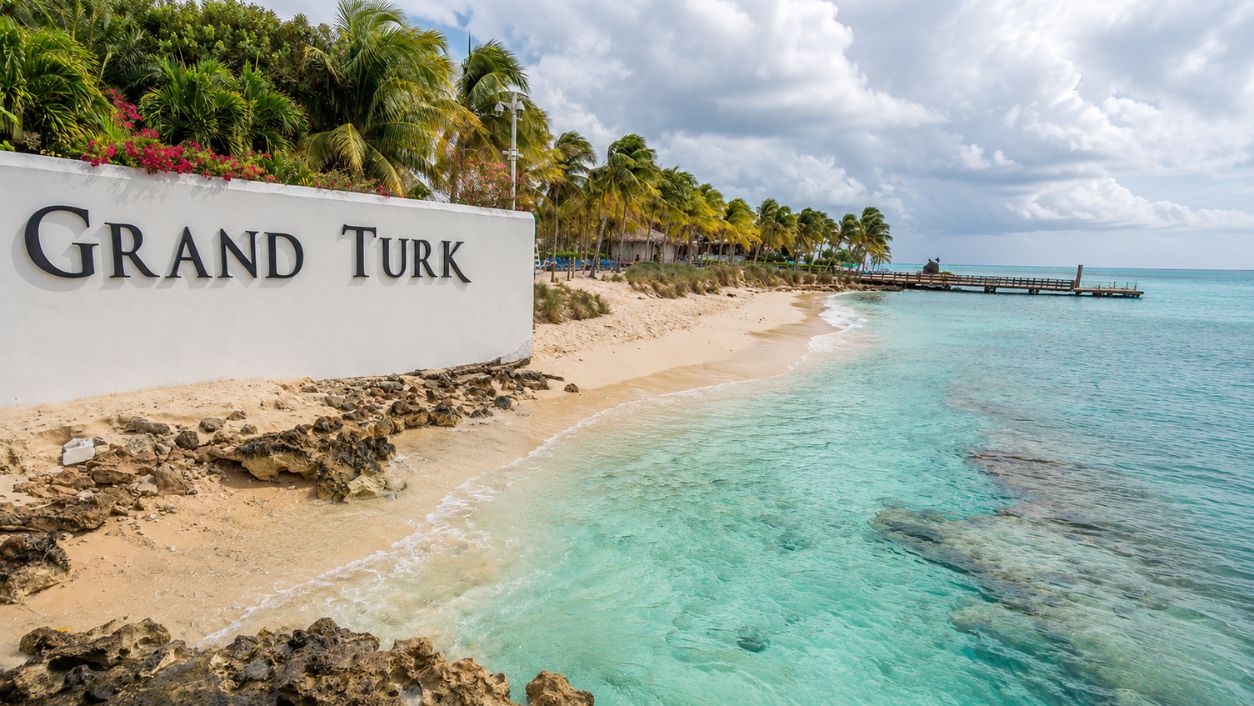 Winter in TCI (December through April) is the dry season: air temperatures run 80 to 84 degrees Fahrenheit with low humidity, consistent northeast trade winds, and very little rain. It is the most comfortable season for being outside in the middle of the day, and the only season with humpback whale migration. The ocean is slightly cooler (77 to 80 degrees Fahrenheit) and a touch choppier from the trade winds, but visibility on the reef runs 80 to 100 feet and all boat tours operate on full schedules.
The northeast trade wind that defines the winter season is the thing that makes it feel so different from summer. At 80 degrees Fahrenheit with a 15-knot wind off the Atlantic, the beach at Grace Bay is genuinely comfortable at any time of day. You don’t feel the need to retreat to air conditioning between noon and three. The same wind that keeps the temperature down keeps the ocean surface slightly choppier than summer, which is worth noting for snorkelers who prefer calmer water. For kiteboarding, those same winds make Long Bay Beach one of the best kiteboarding conditions in the Caribbean: consistent, reliable, and strong enough to fly without waiting for gusts.
Trying to decide where to spend your limited beach time on the island? Here’s Grace Bay vs Long Bay Beach broken down so you stop second-guessing.
The humpback whale migration window from January through April is the single activity that has no summer equivalent. Anywhere from 3,000 to 5,000 North Atlantic humpbacks pass through the Turks Island Passage between Grand Turk, Salt Cay, and the Dominican Republic’s Silver Banks. This makes Salt Cay in February one of the most concentrated humpback whale viewing locations in the Atlantic. The possibility of an in-water encounter with a 40-ton animal in clear 80-foot visibility is something winter travelers access and summer travelers simply do not.
The water here is the whole point and a good boat tour makes it even better. Here’s the best boat tours in Turks and Caicos so you don’t end up on a crowded catamaran when a better option was available.
What Is Summer Like In Turks And Caicos?
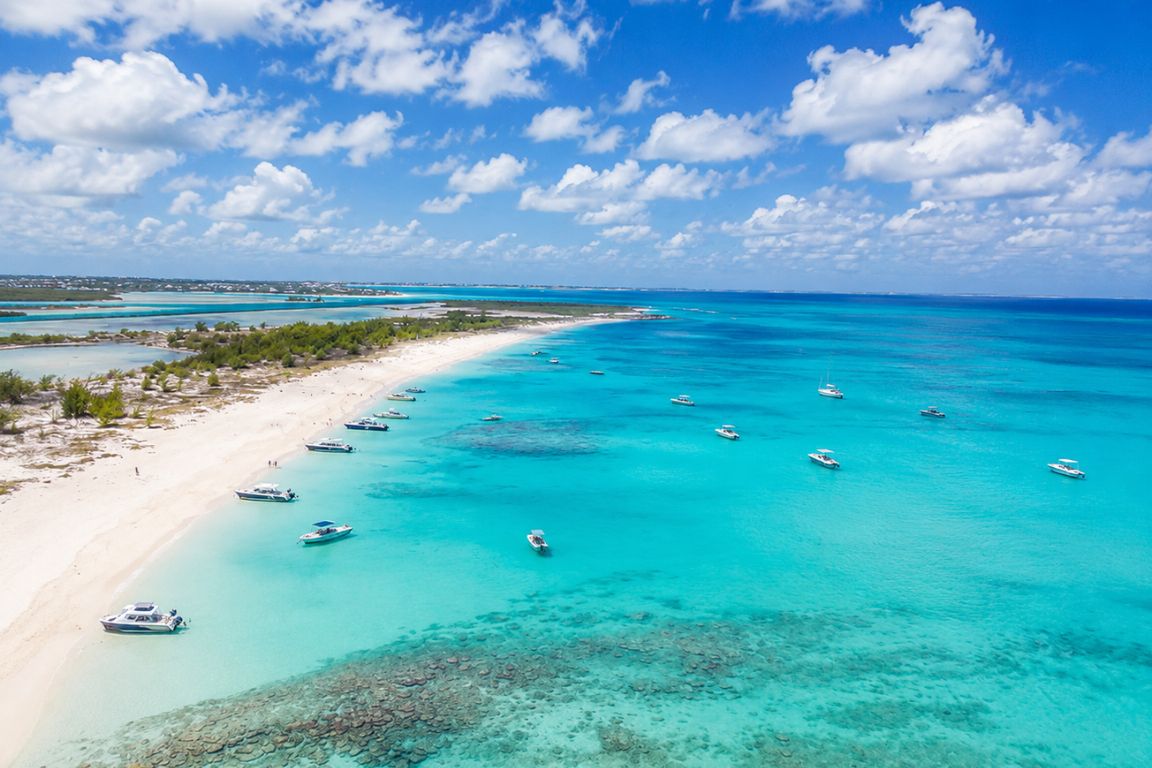 Summer in TCI (June through August) is hot, quieter, and cheaper. Air temperatures reach 88 to 90 degrees Fahrenheit with higher humidity, but the trade winds ease and the ocean becomes exceptionally calm, producing flat-water diving and snorkeling conditions that winter can’t match. Water temperatures climb to 82 to 84 degrees Fahrenheit, the warmest of the year. Hurricane season runs June through November with the real risk concentrated between mid-August and mid-September.
The summer ocean is a genuinely different environment from the winter ocean in TCI. With the trade winds lighter, the water surface flattens, particularly in the Caicos Banks and on the lee side of the islands. A July morning at Half Moon Bay with flat water and not another boat in sight is one of the more private, tranquil TCI experiences possible. The same conditions that make kiteboarding less reliable in summer make it perfect for kayaking, paddleboarding, and snorkeling in areas that the winter chop keeps slightly uncomfortable for less confident water users.
Lobster season opens August 1. The day the season opens is treated locally almost like a holiday, with boats heading out early and restaurants featuring fresh-caught Caribbean spiny lobster within hours. Visiting in August means access to a seafood experience that isn’t available in summer’s earlier weeks and only arrived recently in the prior winter season. The Turks and Caicos Music and Cultural Festival, typically held in late July to early August, is the most significant local cultural event of the year: live music, island food, and a version of TCI that visitors who only come in February largely miss.
The heat is real. Ninety-degree air temperature with elevated humidity in the middle of the day is uncomfortable in a way that 80 degrees with trade winds in February is not. The practical response is the same one locals use: beach activity in the morning before 10am, midday in air conditioning or the water, late afternoon return to the beach as the light improves. Travelers who fight the heat by trying to stay on the beach from noon to 3pm in August will be miserable. Travelers who work with the rhythm find summer in TCI works very well.
Trying to add a less crowded beach experience to your Turks and Caicos trip? Here’s a full Half Moon Bay guide so you can plan your visit without relying on luck or a rushed boat tour stop.
How Do Prices Compare Between Summer And Winter In Turks And Caicos?
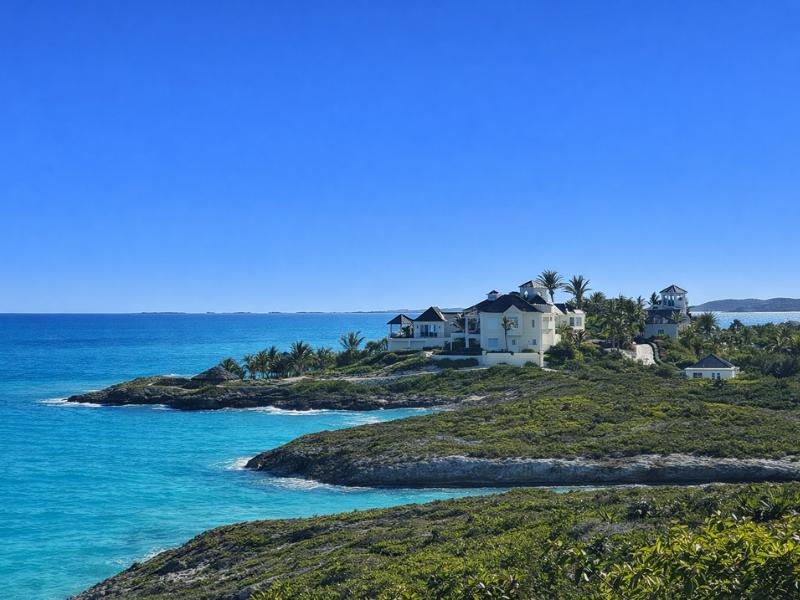
Winter accommodation prices run 30 to 50% higher than summer rates at most TCI properties. A beachfront villa that costs $3,000 per night in October may run $4,800 to $5,200 in February. Christmas and New Year’s weeks are the most expensive window of the year, sometimes 40 to 60% above standard peak pricing. Summer prices are the most accessible entry point for luxury TCI travel. Flight prices follow a similar pattern, with winter airfares generally higher than summer from major US and Canadian departure cities.
The 30 to 50% price differential is real money on a week-long trip. A family spending $3,000 per night at a villa in February spends $21,000 for seven nights. The same villa in July at a 40% discount runs $12,600, a $8,400 saving on accommodation alone before flights and activities. For travelers whose primary constraint is budget, this math is the argument for summer, and it’s a compelling one on the numbers alone.
The premium pricing in winter reflects genuine demand. TCI’s peak season exists because North American and European travelers escaping cold winters have strong December through April demand that keeps occupancy high and prices elevated. February in particular sees roughly 60% of available villa inventory booked, which means late bookers pay premium prices for whatever remains. For winter travel, booking four to six months ahead is not excessive: it is the minimum required to access good availability at reasonable pricing within the peak window.
Activities and restaurant prices don’t vary as dramatically as accommodation across the seasons. A half-day boat tour to Half Moon Bay costs approximately the same in July as in January. The price advantage of summer is primarily in accommodation and airfare, which are the two largest cost components of most TCI trips. Restaurant meals, tour operators, and entrance fees are broadly consistent year-round.
Still not sure what a trip here actually runs from start to finish? This breakdown of Turks and Caicos travel costs explained gives you honest numbers across flights, hotels, food, and tours.
What Activities Are Better In Winter Vs Summer In Turks And Caicos?
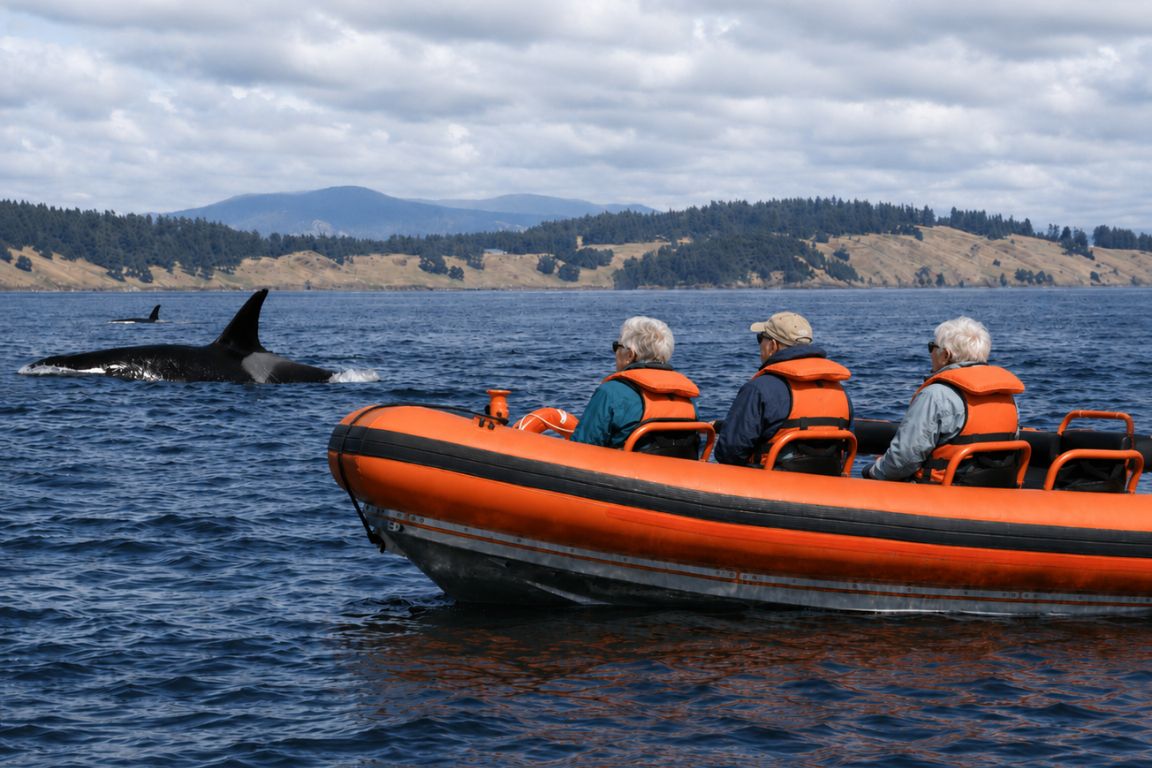 Winter exclusives: humpback whale watching (January to April only), peak kiteboarding conditions (consistent northeast trade winds), fresh Nassau grouper at restaurants (before the December to February closed season). Summer exclusives: flattest diving and snorkeling seas, lobster season opening (August 1), Turks and Caicos Music and Cultural Festival (late July), maximum water temperature. Year-round: everything else, including snorkeling, boat tours, beaches, and all standard water activities.
The whale watching distinction is the most absolute. Nothing brings humpback whales to TCI in July. The migration only runs late December through April, with the peak concentration in February near Salt Cay and Grand Turk. If whale watching is a specific priority for a TCI trip, winter is the only option. No amount of summer pricing discount changes this: the whales are not there.
Kiteboarding is better in winter but not exclusively available then. Long Bay Beach‘s famous conditions come from the consistent northeast trade winds that define December through April. In summer, the trade winds lighten, making conditions more variable and generally less reliable for intermediate and advanced kiteboarders. Beginners may actually find lighter summer winds easier for learning, but the conditions that make TCI a destination for serious kiteboarders are primarily a winter characteristic.
Diving visibility runs high year-round in TCI. The PADI diving guide notes that the calmest seas and peak visibility run December to May, ideal for wall diving and photography, while summer months bring warmer water and fewer crowds. Both are accurate and represent different trade-offs rather than a clear winner. The flat summer seas make reaching outer reef sites like West Caicos more comfortable by boat, but the slightly choppier winter water doesn’t prevent access to any site in normal conditions. If diving is the primary activity and a specific site like the West Caicos wall is the target, summer might deliver a calmer journey to get there.
Not sure which snorkeling tour is actually worth booking versus which ones are just glorified beach trips? This breakdown on the best snorkeling tours in Turks and Caicos cuts through the options and tells you what’s in the water.
What Are The Crowds Like In Summer Vs Winter In Turks And Caicos?

Winter runs 30 to 50% higher visitor volume than summer. Grace Bay in February is noticeably busier than Grace Bay in July: boat tour operators are at capacity, popular restaurants need reservations days ahead, and the beach itself is more active. Summer beaches are substantially quieter, sometimes genuinely empty mid-week. TCI’s spring break is considerably more sedate than other Caribbean destinations: the price point self-selects for low-key visitors rather than party travelers.
The TCI crowd dynamic differs from most Caribbean destinations in one important respect: even the peak winter season doesn’t produce the chaotic, noise-heavy spring break atmosphere that places like Cancun or the Dominican Republic experience. TCI’s price point filters for a quieter visitor profile across all seasons. What varies is density: more bodies on the beach, more boats at Half Moon Bay, more people in the water at the reef. Not chaos, but noticeably less private than summer.
For travelers who specifically value having a stretch of Grace Bay to themselves, early morning in any season helps. But the realistic experience of Grace Bay in a Tuesday morning in July versus a Tuesday morning in February is genuinely different. In summer you may have the beach to yourself for the first two hours of the day. In February you’ll share it with other early risers, and the beach will be meaningfully populated by 9am. Neither is objectively better: the person who values the lively, energized feeling of a busy resort strip at full season prefers February. The person who came to feel solitude in a beautiful place prefers July.
Every month in TCI feels different depending on what you’re after. Here’s a full guide on Turks and Caicos by month so you can match your travel dates to the weather, the crowds, and the experiences you actually want.
Which Is Better For Families: Summer Or Winter In Turks And Caicos?
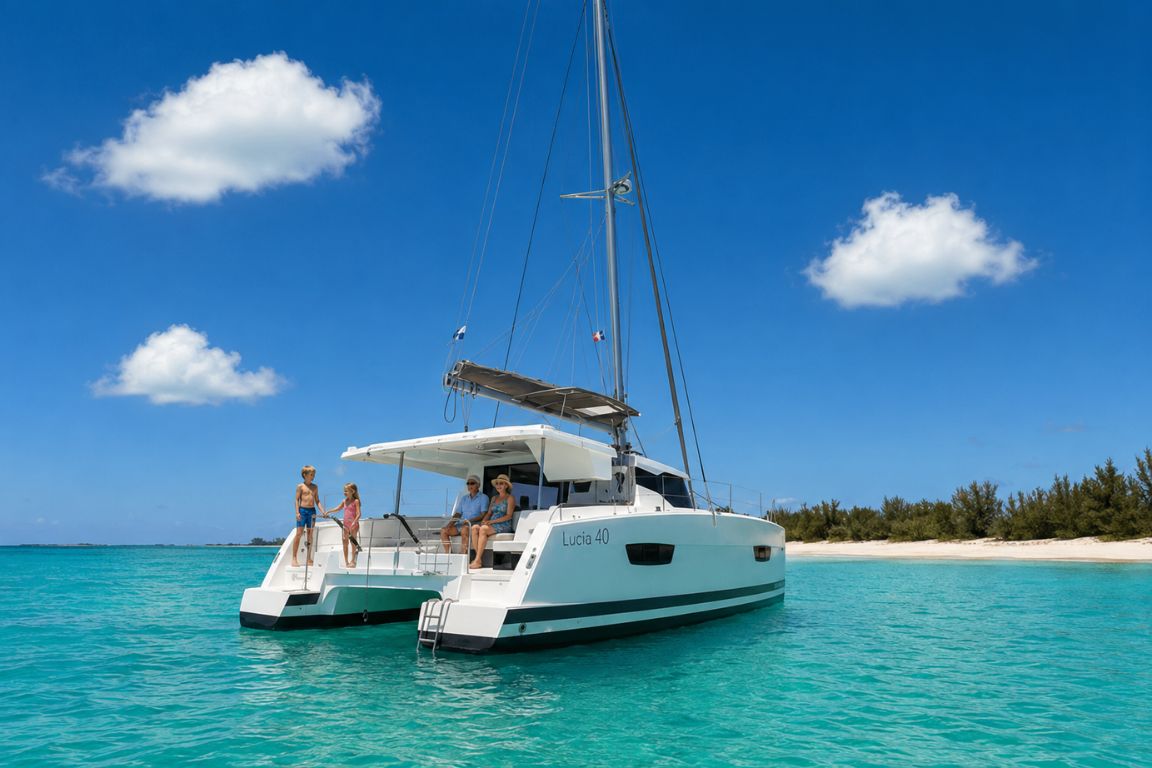 For families with school-age children, the honest answer is that summer is the most practical option simply because it’s the only option with flexible school schedules. Winter travel requires either pulling children from school (increasingly common for premium destinations) or targeting specific school breaks, which are also the most expensive and crowded windows. For families with pre-school children, winter offers slightly easier conditions: cooler air, less intense midday heat, and no hurricane risk.
The school schedule reality shapes most family decisions before any other factor does. Families who can only travel July through August are essentially choosing summer by default. The good news is that TCI in summer is excellent for families. Half Moon Bay’s shallow lagoon is better for young children in summer because the calmer flat water makes the swimming experience more relaxed. The water is warmer. The reef fish, turtles, and juvenile sharks in the lagoon are all present. What’s missing is the whale watching and the kiteboarding conditions, neither of which typically applies to a family beach trip anyway.
For families with the flexibility to travel in winter, mid-January (after the holiday crowd thins) and April (after spring break peaks) are the two sweet spots. Mid-January offers peak-season weather at slightly reduced prices and crowd levels compared to the February peak. April is warmer, prices are easing from their spring break high, and the Easter school break period aside, it’s less crowded than January and February. The half-day boat tour to Half Moon Bay and Little Water Cay works just as well in April as in February, and the iguanas are no less accommodating of a family with a five-year-old in tow.
For a land-based half day that does not depend on sea conditions, check the private Love Buggy island tour with lunch for your family’s dates.
Trying to balance a proper vacation with keeping the kids engaged and not just parked on the sand? Here’s Turks and Caicos tours with kids broken down so you build an itinerary the whole family gets something out of.
Summer Or Winter In Turks And Caicos: The Verdict By Traveler Type
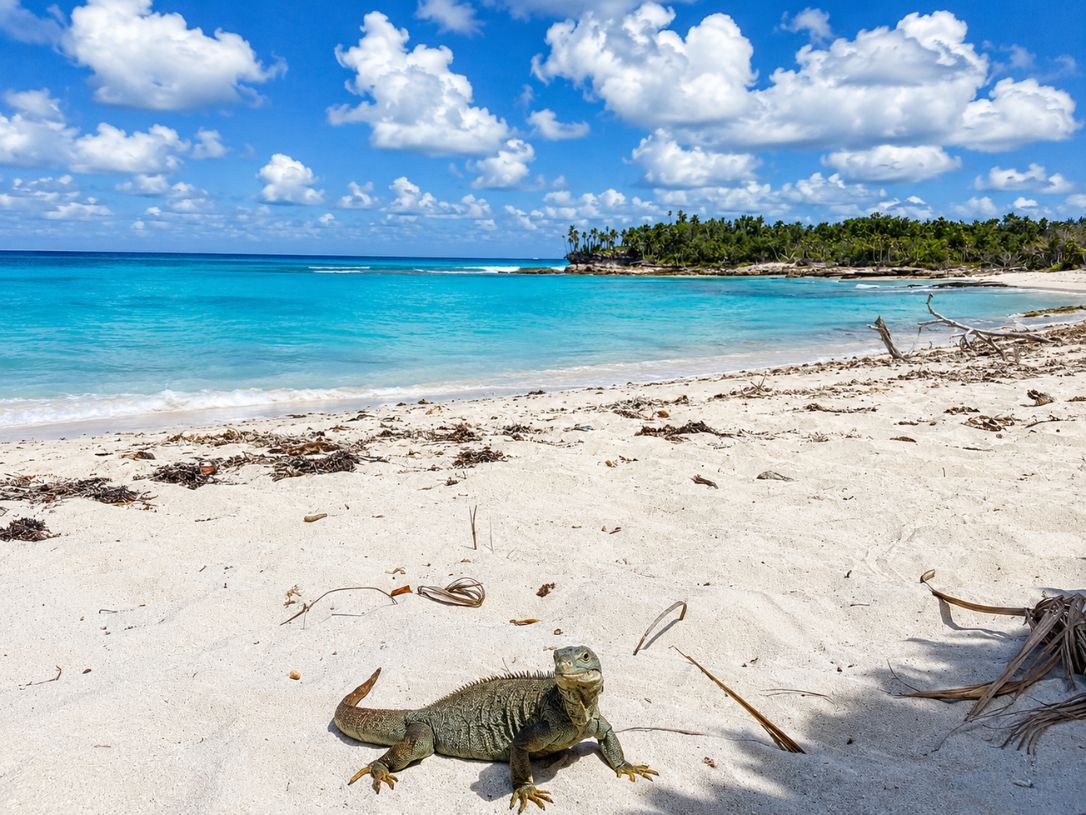 Choose winter if: whale watching is a priority, you want the absolute best weather guarantee, kiteboarding is on the itinerary, or you prefer a more active resort atmosphere. Choose summer if: budget is the primary constraint, calmer diving seas appeal more than choppier winter water, you value emptier beaches and easier restaurant access, or school schedules force a summer window. Both seasons deliver the core TCI experience: extraordinary water, great reef, and the specific beauty of the Caicos Cays.
The most honest answer to “summer or winter?” is: both are good, and the differences are real but not as large as TCI’s marketing in each direction suggests. The water and the reef don’t care what month it is. The iguanas at Little Water Cay are there year-round. Half Moon Bay’s lagoon holds juvenile sharks in August the same as in February. The decision factors that actually differentiate the seasons are whale watching (winter only), budget (summer wins clearly), and heat comfort (winter wins clearly). Everything else is variation on the same excellent theme.
| Whale watchers | Winter only (Jan-Mar) | Whales are not present in summer |
| Kiteboarders | Winter (Dec-Apr) | Consistent northeast trade winds |
| Divers and serious snorkelers | Either; summer for flattest seas | Summer: calmer access to outer sites; winter: peak visibility |
| Honeymooners | Winter for experience; summer for value | February for the best of everything; July for privacy + savings |
| Budget travelers | Summer (Jun-Aug) | 30-40% lower accommodation costs |
| Families (school schedules) | Summer by default | School schedule drives the decision |
| Families (flexible) | Mid-January or April | Winter weather, slightly lower prices than Feb peak |
| Solo travelers and couples | May or November (shoulder) | Best value with no hurricane risk; thin crowds |
| Cultural experience seekers | Summer (Music Festival, Conch Festival) | Key local events fall outside peak tourist season |
Verified June 29, 2026. Note: September and October carry the highest hurricane risk and are not recommended without flexible tickets and comprehensive travel insurance.
We’ve got a full breakdown on the best things to do in Providenciales if you want to know exactly how to split your time between the ocean, the island, and everything in between.
Still deciding? Check the Grace Bay snorkeling half-day group tour for your dates; reef trips run through both summer and winter.
Frequently Asked Questions
Is Turks and Caicos better in summer or winter?
Winter offers the best weather, whale watching, and consistent kiteboarding, at higher prices. Summer offers calmer diving seas, lower prices, and emptier beaches, with hurricane risk from mid-August. Both produce excellent beach and reef experiences. The decision is primarily about budget and whether whale watching or specific winter activities are priorities.
How much cheaper is Turks and Caicos in summer vs winter?
Accommodation rates in summer typically run 20 to 40% below peak winter pricing. A property at $3,000 per night in February may be available for $1,800 to $2,400 in July. Flight prices follow a similar pattern from most North American and European cities. Activities and restaurant prices are broadly consistent year-round.
Is it safe to visit Turks and Caicos in summer?
Yes, for most of summer. June and July carry very low hurricane risk and are excellent months to visit. August increases in risk and requires monitoring forecasts. Mid-August through mid-September is the highest-risk window. Travelers visiting in August should carry comprehensive travel insurance covering hurricane disruption and choose flexible return flights over fixed-date tickets.
Can you see whales in Turks and Caicos in summer?
No. Humpback whale migration through the Turks Island Passage runs late December through April, peaking in February. The whales travel from North Atlantic feeding grounds to Caribbean breeding and calving areas during this window and return north by April. There is no whale watching in TCI during the summer months.
Boat and snorkel trips run in both seasons. Compare options on the best boat tours in Turks and Caicos list and see which departures match your window.
Written by Baran Ellis
British tour guide since 2012 · Founder, Turks and Caicos Tours
Baran has guided over 16,800 travelers across Providenciales, Grand Turk, and the Caicos cays since founding the agency.