Turks And Caicos Travel Costs Explained
Turks and Caicos isn’t cheap. Here’s what a realistic trip costs, where your money goes, and the hidden expenses that surprise most first-time visitors.
Use the section recommendations to match an outing to your trip, then compare dates and trip details at the end.
Last updated: July 4, 2026
Turks and Caicos is expensive, and there’s no getting around that. A realistic mid-range week for two runs $5,000 to $8,000 before flights. Budget travelers who rent a villa, cook some meals, and eat at local restaurants can bring that down. Luxury travelers will spend $15,000 or more without trying. The costs that catch people off guard aren’t the resort rates: they’re the 22% tax and service charge stack at resort restaurants, the per-person taxi fares, and grocery prices running 25 to 50 percent above US levels.
Use one representative boat day as a real budget anchor, then compare its inclusions, transport needs, and time commitment before you finalize the rest of the week.
Your Turks And Caicos Plan
- Build the week from group totals that include lodging taxes, dining charges, transport, and activities.
- Price free shore snorkeling first, then add one organized reef trip before stacking extra paid outings.
- Check the actual activity date before arranging meals, transport, or other parts of the trip around it.
| Budget Traveler (local restaurants, inland accommodation) | $150 – $225 |
| Mid-Range Traveler (resort or villa, mix of dining) | $330 – $600 |
| Luxury Traveler (Grace Bay beachfront, fine dining, private charters) | $800 – $1,500+ |
| Resort Restaurant Tax + Service Charge | 22% on top of listed price (12% tourism tax + 10% service charge) |
| Flights (round trip from US East Coast) | $250 – $600 per person |
| Car Rental | $50 – $70 per day (economy, including taxes) |
| Taxi (airport to Grace Bay, 2 people) | $28 – $38 |
| Groceries vs US prices | 25 – 50% higher due to import costs |
| Average 1-week trip for 2 (mid-range, excluding flights) | $5,000 – $8,000 |
Prices verified June 29, 2026
How Much Does A Trip To Turks And Caicos Actually Cost?
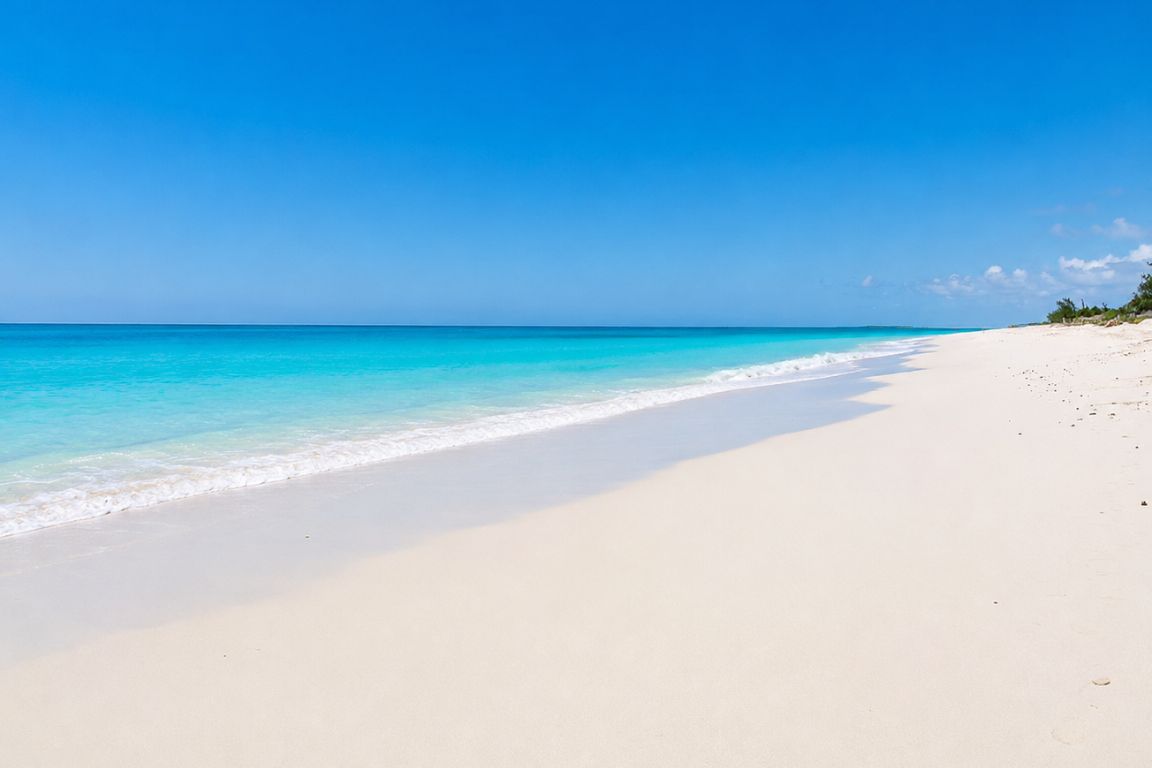 A mid-range week in Turks and Caicos for two people runs $5,000 to $8,000 before flights. Budget travelers who stay in an inland vacation rental, cook some meals, and eat at local restaurants can manage $3,000 to $4,000. Luxury travelers at a beachfront Grace Bay resort with fine dining and private charters will spend $15,000 or more. The spread is wide because the decisions on accommodation and food have an enormous impact on total cost.
The number that surprises people most isn’t the hotel rate, which is clearly listed when you book. It’s the compounding effect of everything else. A resort room listed at $600 per night costs $762 per night after the 12% tourism tax and 10% service charge. A Grace Bay restaurant dinner listed at $120 for two costs $146 after the same charges. Taxis charge per person, not per trip, so a family of four pays four fares. Groceries run 25 to 50 percent more than US prices because virtually everything is shipped in. There’s no deepwater port for efficient cargo handling, no significant local food production, and a 35% import duty on most non-food goods. The structural costs of operating on a small Atlantic island flow directly into every price tag.
The honest answer is that TCI is one of the most expensive Caribbean destinations, roughly comparable to the Cayman Islands and significantly more expensive than Jamaica, the Dominican Republic, or Mexico. It competes on beach and reef quality, not price. People who go knowing that and planning around it tend to feel the money was well spent. People who go expecting something like Cancun pricing come back frustrated.
| Budget | Inland vacation rental ($140-$180/night) | Local restaurants + groceries ($60-$90/day/person) | Free beach reefs, 1 group boat tour | $2,800 – $4,000 |
| Mid-Range | Non-beachfront resort or villa ($300-$500/night) | Mix of local + resort dining ($100-$160/day/person) | 2-3 excursions, car rental | $5,000 – $8,000 |
| Luxury | Grace Bay beachfront resort ($700-$1,500+/night) | Resort dining + fine dining nightly ($200-$300/day/person) | Private charters, spa, premium excursions | $12,000 – $25,000+ |
Prices verified June 29, 2026. Peak season (December through April) adds 30 to 50% to accommodation costs. All resort restaurant prices require adding 22% for tax and service charge.
Trying to figure out which luxury experiences are genuinely exclusive versus just expensive? Here’s luxury tours in Turks and Caicos broken down so you spend on the right things.
How Much Do Hotels And Resorts Cost In Turks And Caicos?
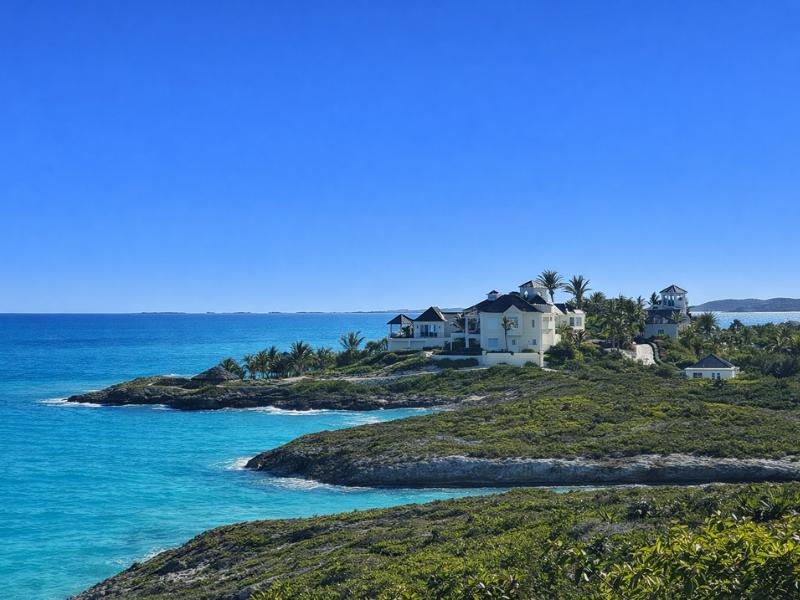
Hotel rooms in Turks and Caicos start at around $200 per night at budget properties and run to $3,000 or more per night at top Grace Bay beachfront resorts. The average across all properties is around $622 per night. A typical mid-range resort room on Providenciales runs $400 to $600 per night. Peak season (December through April) pushes these figures 30 to 50 percent higher than low season equivalent rates.
The Grace Bay resort strip is where the highest rates concentrate. The Ritz-Carlton, Grace Bay Club, Seven Stars, The Palms: these are genuinely world-class properties with world-class pricing to match. A beachfront room at most of these starts at $700 per night in shoulder season and climbs from there in peak. Christmas week at the top properties can run two to three times the April equivalent. These rates are widely published and don’t catch people off guard. What does catch people off guard is that even a mid-tier, non-beachfront hotel on Providenciales starts at $200 per night in the off-season. There is no budget category in the traditional sense here.
Two accommodation types consistently outperform the resort rate structure on value. Inland vacation rentals, particularly for groups or families, can bring effective per-person nightly costs down dramatically. A six-bedroom villa sleeping twelve that rents for $1,200 per night breaks down to $100 per person. Add a rental car at $50 per day split among six people and the transportation advantage is clear too. The second option is all-inclusive. Beaches Turks and Caicos charges $5,000 to $22,000+ for a week’s stay for a family of four, which sounds alarming until you account for the fact that all food, drink, water sports equipment, and activities are included. For families who would otherwise be paying for all of those separately, the all-inclusive math often works out favorably.
Trying to balance a proper vacation with keeping the kids engaged and not just parked on the sand? Here’s Turks and Caicos tours with kids broken down so you build an itinerary the whole family gets something out of.
| Budget guesthouse / inland hotel | $150 – $250 | $200 – $400 | Limited options; often no beach access |
| Mid-range resort (non-beachfront Grace Bay) | $250 – $450 | $400 – $700 | Often 5-10 min walk to beach |
| Beachfront Grace Bay resort (mid-tier) | $450 – $700 | $700 – $1,200 | Direct beach access; most include water sports gear |
| Luxury Grace Bay resort | $700 – $1,500 | $1,200 – $3,000+ | Christmas week rates can be 2-3x April equivalent |
| Inland vacation villa (2-3 bedroom) | $300 – $600 | $500 – $900 | Best value per person for groups; requires rental car |
| All-inclusive (Beaches, Club Med) | From $700/person/night | From $1,000/person/night | All food, drink, watersports included; no surprise bills |
Prices verified June 29, 2026. Add 22-27% in accommodation tax and service charges to all resort rates. Note: rates fluctuate; book directly with properties for current pricing.
One practical note: add-on taxes at accommodation are real. The government accommodation tax is 12%, and resorts also add a 10% service charge. Some properties add a 5% facility fee on top. On a $600 per night room, that turns into $762 before any meals or activities.
The season you pick affects everything from hotel rates to water visibility. Here’s the best time to visit Turks and Caicos tours so you show up when the island is at its best.
How Much Does Food And Dining Cost In Turks And Caicos?
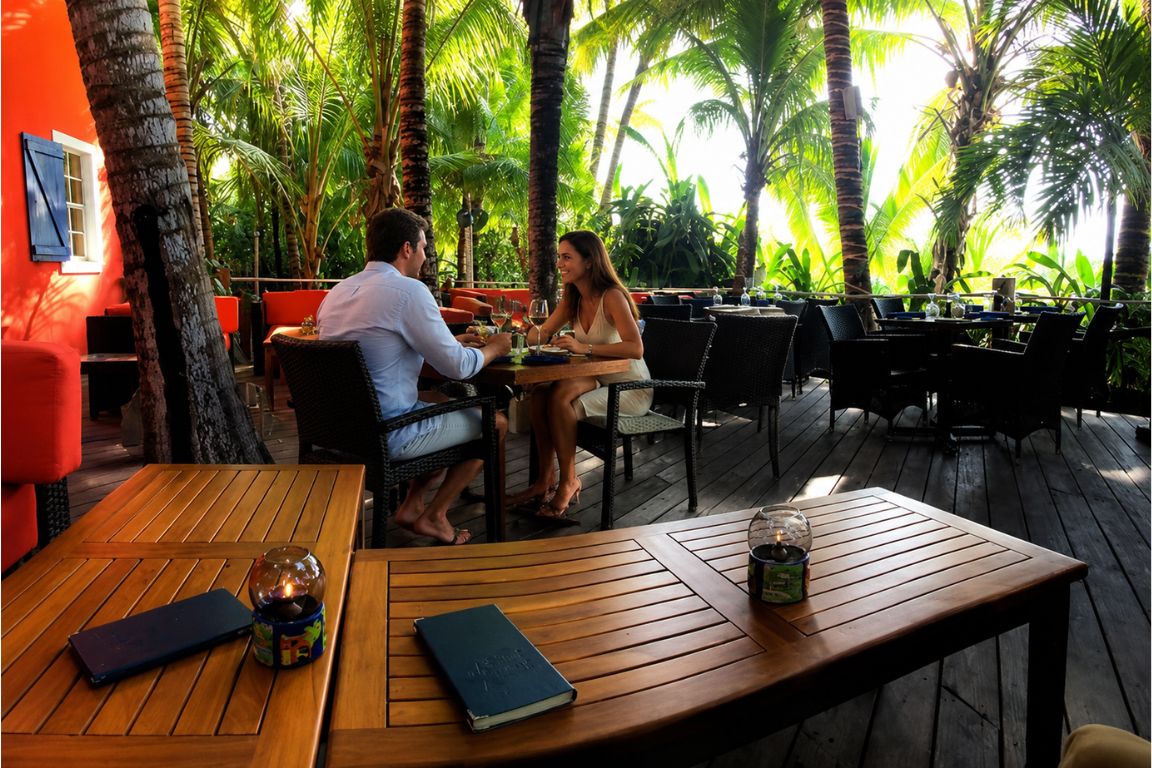 Dining in Turks and Caicos runs from $15 for a full meal at a local Blue Hills restaurant to $60 to $120 per person for a three-course dinner at a Grace Bay fine dining establishment before tax and service charge. Resort restaurant entrees average $25 to $50. The Thursday Night Fish Fry in The Bight offers local food for $15 to $25 per person and is the single best value meal experience on the island.
The food cost divide on Providenciales is wider than most travelers expect. On one side is the Grace Bay resort strip, where a fish taco lunch for two with two drinks lands at $80 to $100 after the 22% charge stack, and dinner at a fine dining restaurant like Coco Bistro or Grace’s Cottage runs $180 to $250 for two with wine. On the other side is Blue Hills Road and Five Cays, where Da Conch Shack, Omar’s Beach Hut, and Mangrove Bay serve fresh-caught fish, cracked conch, and local lobster in season at prices that would feel reasonable in any American city, typically $15 to $30 per plate before any service charge, which some of these places don’t even add.
The tax situation requires knowing before you sit down. Resort restaurants and most Grace Bay establishments add 12% tourism tax and 10% service charge automatically to every bill. Some travelers add another 15 to 20% tip on top of that, effectively paying 37% above the listed price. Check the bill first. The 10% service charge is meant to serve as the tip. At local restaurants away from the resort corridor, neither charge typically applies.
Groceries are expensive across the board. A gallon of milk runs around $10, a loaf of bread around $8, a case of imported beer north of $60. Local Turk’s Head beer is more reasonable. Imported wine starts at around $16 a bottle. Everything is shipped from the United States or elsewhere, and that cost lands on the consumer. For travelers staying in a villa with a kitchen, bringing dry goods and snacks in checked luggage (permitted within customs limits) cuts grocery costs meaningfully.
| Local restaurant full meal (Blue Hills / Five Cays) | $15 – $30 | No tax/service charge at most local spots |
| Thursday Fish Fry (The Bight) | $15 – $25 per person | Best value food experience on the island |
| Grace Bay casual lunch (per person, before tax) | $25 – $40 | Add 22% for tax and service charge |
| Grace Bay dinner (per person, before tax) | $60 – $120 | Add 22%; wine is extra |
| Fine dining restaurant (per person, before tax) | $80 – $150+ | Coco Bistro, Grace’s Cottage; reservations essential in peak season |
| Beer at a local bar (Turk’s Head) | $6 – $8 | Local brand; best value alcohol on island |
| Rum cocktail at resort bar | $14 – $18 before tax | Add 22% at resort venues |
| Gallon of milk (grocery store) | ~$10 | Import costs drive grocery prices 25-50% above US |
| Cheapest bottle of wine (supermarket) | ~$16 | Alcohol sales restricted on Sundays at shops |
| Case of imported beer (supermarket) | $60 – $80+ | Local Turk’s Head 6-pack from $15 |
Prices verified June 29, 2026. Resort restaurant bills require adding 12% tourism tax and 10% service charge to listed prices.
How Much Do Activities And Tours Cost In Turks And Caicos?
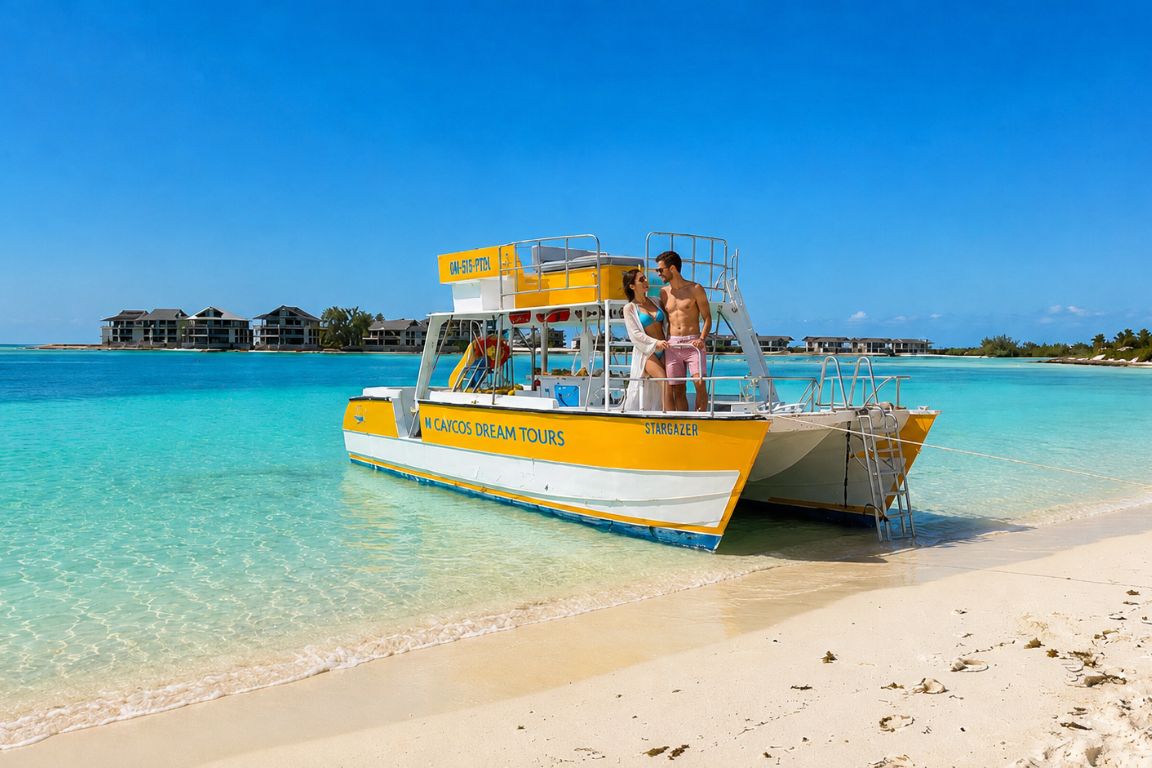 Beach access and shore snorkeling are free. Group half-day snorkeling boat tours start at around $125 per adult. Full-day BBQ cruises run around $250 per adult. Private half-day charters start at $900 for a center-console boat and $1,250 to $1,700 for a power catamaran. Scuba diving runs $80 to $150 per dive. All tour prices require adding 12% tourism tax and typical 15 to 20% tip on top of listed rates.
The most important cost distinction in TCI activities is between what’s free and what costs money. The beaches are all public and free to access. The Bight Reef and Smith’s Reef, the two best shore snorkeling sites on the island, are walk-up and cost nothing. Chalk Sound National Park requires only the fuel to drive there. That’s a full day of world-class activity at essentially zero cost, assuming you have a rental car.
Once you move to organized tours, the prices shift significantly. A group half-day snorkeling and beach cruise at around $125 per adult plus tax and tip is the most popular paid activity on the island. For a couple, that’s around $300 fully loaded. A full-day BBQ cruise at $250 per adult runs closer to $650 for two after tax and gratuity. These are fair prices for what you get: access to the outer reef, cay hopping, fresh conch salad on a deserted beach. But they add up fast if you’re booking multiple excursions across a week.
Private charters are where the cost structure changes for groups. A center-console boat private half-day for a group of four to six starts at around $900 split four to six ways, that’s $150 to $225 per person, comparable to the per-person cost of a group tour but with the flexibility to go where you want and stay as long as you like. For groups of eight or more, private charters often work out cheaper per person than group tours.
If you would rather start from a shortlist than piece operators together yourself, the current boat tours from Providenciales show dates and group versus private pricing.
Trying to plan a special day on the water for a group or a couple? Here’s why private boat charters in Turks and Caicos tours are worth considering over the standard group options.
| Beach access (all beaches) | Free | All beaches public up to high tide mark |
| Shore snorkeling (Bight Reef, Smith’s Reef) | Free | Bring or rent gear ($15-$25/day for equipment) |
| Group half-day snorkeling boat tour | $125/adult, $62/child | Add 12% tax + 15-20% tip; gear, drinks included |
| Full-day group BBQ cruise | $250/adult, $115/child under 10 | Lunch included; snorkeling stops, cay hopping |
| Private half-day charter (center-console, up to 6) | From $900 total | Roughly $150-$225/person; add tax and tip |
| Private half-day charter (power catamaran, up to 12) | $1,250 – $1,700 total | Best value per person for larger groups |
| Private full-day dive charter (up to 4 divers) | $2,700 total | Includes gear, Nitrox, lunch; add 12% tax |
| 2-tank scuba dive (group, shore-based) | $80 – $150/person | Includes gear rental; add tax and tip |
| Parasailing | ~$80/person | 12-minute flight over Grace Bay |
| Horseback riding (Long Bay Beach) | $80 – $100/person | 1 hour; book in advance, fills up fast |
| Sunset catamaran cruise | $75 – $100/person | 2 hours; drinks included |
| Cheshire Hall Plantation tour | $15/person | Cash; 30-minute guided tour of plantation ruins |
Prices verified June 29, 2026. Add 12% tourism tax to all tour and activity prices. Gratuity of 15-20% is standard for guides and boat crew.
How Much Does Getting Around Turks And Caicos Cost?
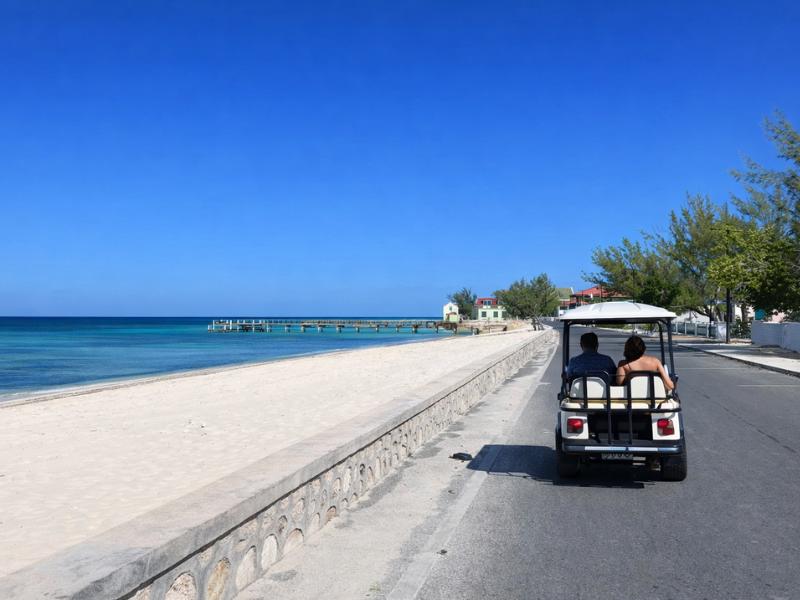
Rent a car. It’s the single most cost-effective transport decision on the island. Economy car rentals start at around $50 per day with all taxes included. Taxis charge per person rather than per trip: airport to Grace Bay for two people runs $28 to $38 in a shared van, but for a family of four the math gets expensive fast. There is no public transportation. Uber does not operate here.
The taxi structure is the part that most guidebooks understate. On most Caribbean islands, a taxi is a flat fare regardless of passenger count. In TCI, the government-regulated rates are per person. The first two passengers pay full fare; each additional passenger pays half fare. Airport to Grace Bay central for two people is $28 to $38. For five people with luggage, that same ride runs $80 to $112. Multiple taxi trips per day across a week’s stay for a family of four can easily add $400 to $600 to the total bill. A rental car at $50 per day changes that math entirely.
The car rental itself has tax nuances. The base daily rate looks reasonable but the government adds a 12% stamp tax on top, and loss damage waiver fees and additional driver charges stack further. Total taxes and fees on car rentals can reach 27% above the listed rate. Budget for that accordingly. The vehicle itself is straightforward. Most roads are paved, the island is 38 square miles, and no four-wheel drive is needed. Driving is on the left, British style, which takes one drive to get comfortable with.
For those staying in central Grace Bay and not planning to leave the resort corridor much, taxis for airport transfers and occasional off-strip restaurant visits are manageable. The moment an itinerary includes Chalk Sound, Taylor Bay, Smith’s Reef, Da Conch Shack, or any of the local Blue Hills restaurants, the car rental pays for itself within two days.
What Are The Hidden Costs Most Visitors Don’t Expect?
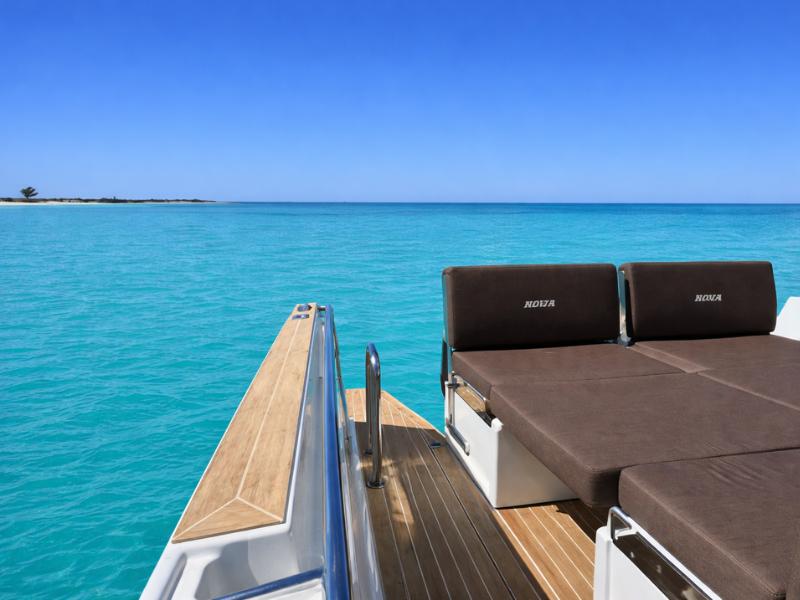
The hidden costs that consistently catch visitors off guard are: the 22% charge stack at resort restaurants (12% tax plus 10% service charge), per-person taxi fares for families, Sunday alcohol purchase restrictions at supermarkets, commission-based recommendations from resort concierges, and grocery prices running 25 to 50 percent above US levels. None of these are a secret, but most first-time visitors don’t know about them before they arrive.
The restaurant charge stack is the one that generates the most surprise. A table of four orders dinner at a Grace Bay restaurant. The listed prices look expensive but manageable: $45 for a main course, $15 for a cocktail, $12 for a dessert. The bill arrives and it’s $200 more than expected. The 12% tourism tax and 10% service charge are mandatory at resort restaurants and most Grace Bay establishments. They appear as separate line items at the bottom of the bill, and some travelers then add another tip on top, which is unnecessary since the service charge is intended as the gratuity. Check the bill before you tip. If the 10% is already there, adding 20% more means you’ve paid 30% above the listed price in service charges alone.
The Sunday alcohol restriction is a practical surprise. Supermarkets and bottle shops are prohibited from selling alcohol on Sundays and on Good Friday. Restaurants and bars can still serve drinks, but you can’t stock a villa cooler on Sunday at the IGA. Plan ahead. Buy alcohol Saturday if you want wine on the beach Sunday afternoon.
Resort concierges and taxi drivers often earn commission from the tour operators and restaurants they recommend. This is disclosed if asked, but rarely volunteered. The company that pays the most commission is not necessarily the best operator. Research your own excursion companies before you arrive rather than relying on resort desk recommendations. The quality difference between a commission-driven referral and an operator chosen on its own merits can be significant.
Gas station prices are higher than US levels due to import costs, and many stations are cash only. Fill up when you see one. Running low in a remote area of the island with no cash is a situation worth avoiding.
Travel insurance deserves a mention here too. TCI is an expensive trip with significant non-refundable costs at most properties, and hurricane season runs June through November. Comprehensive travel insurance covering cancellation, medical evacuation, and storm disruption is not an optional extra at this price point.
How Can You Save Money In Turks And Caicos Without Ruining The Trip?
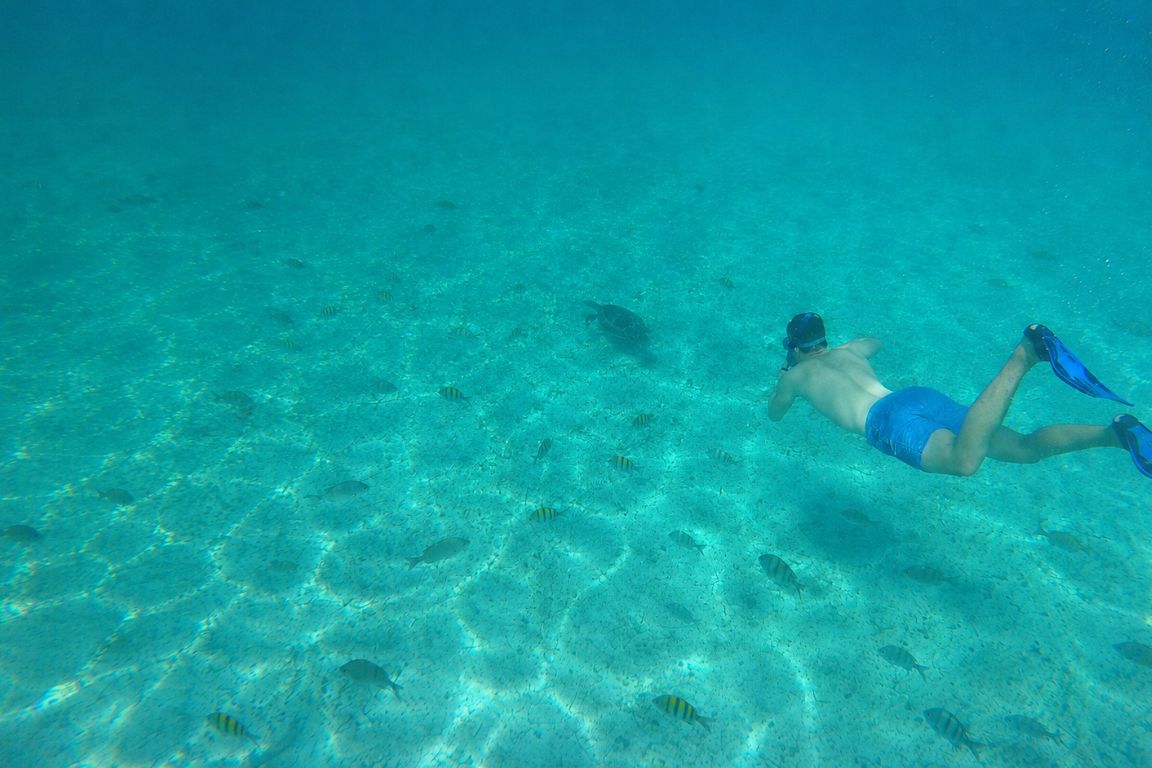 The five biggest levers on cost are: travel in November instead of February or March (saves 30 to 40% on accommodation), stay in a vacation rental instead of a resort (saves $200 to $500 per night for groups), eat at local Blue Hills restaurants instead of the Grace Bay strip (saves $40 to $80 per person per meal), rent a car instead of using taxis (saves $30 to $60 per trip for a family), and do the free beach snorkeling sites before paying for excursions.
November is the savings season that the island’s own experienced visitors know. The weather is good, the ocean is still warm, and the accommodation rates run significantly below February and March peaks. The reef is exactly the same. The same turtles are in the seagrass at the Bight. The conch salad at Da Conch Shack costs the same. The only things missing are the spring break crowds and the humpback whales, which most first-time visitors don’t specifically come for anyway.
The villa-versus-resort decision is the single biggest accommodation savings lever for groups and families. A four-bedroom inland villa at $600 per night sleeping eight people costs $75 per person per night. A comparable resort room for two costs $400 to $600 per night. The villa requires a car rental, but that’s $50 per day split eight ways. The kitchen means you can self-cater breakfast and lunch, which further cuts the food bill. Graceway IGA, the main supermarket, is stocked well enough to handle a week of villa cooking. The downtown stores near the airport have the lowest grocery prices on the island.
The free activity base of TCI is genuinely strong. Bight Reef and Smith’s Reef cost nothing and offer legitimate world-class snorkeling. Every beach on the island is free. Chalk Sound is free. The Thursday Night Fish Fry is essentially free entry with low-cost local food. Bringing your own snorkel gear or renting it for $15 to $25 per day rather than booking organized tours for every underwater experience cuts the activity budget substantially.
Midweek flights and midweek arrivals are typically cheaper than weekend. The airport immigration queue, which runs one to two hours on peak-season Saturday arrivals, is substantially shorter on Tuesday and Wednesday. Both cost savings and time savings point toward midweek travel when the schedule allows.
The usual way to reach the outer reef without a private charter is a Grace Bay snorkeling half-day, with dates and the current rate on the tour page.
Not sure if Turks and Caicos is even realistic on a tighter budget or where the money actually goes? This breakdown on Turks and Caicos tours on a budget covers the smartest ways to cut costs without cutting the experiences that make the trip worth taking.
Is Turks And Caicos Worth The Cost Compared To Other Caribbean Destinations?
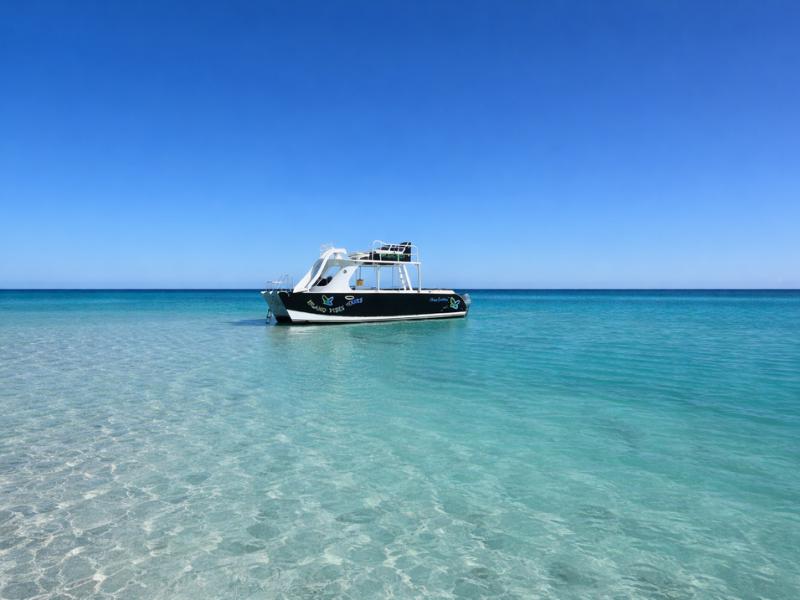
Compared to similar-tier Caribbean destinations like the Cayman Islands or Barbados, TCI is priced comparably but delivers a higher-quality beach and reef experience. Compared to Jamaica, the Dominican Republic, or Mexico, TCI is significantly more expensive for the same accommodation category. The honest answer is that TCI is worth the cost if beach and reef quality are your primary metrics, and not worth it if you’d be equally satisfied at a lower price point elsewhere.
The comparison that most often comes up is Jamaica or Mexico’s Riviera Maya. Both offer comparable water sports, beach access, and resort infrastructure at 40 to 60 percent of TCI pricing. The gap in cost is real. The gap in beach quality is also real. Grace Bay is genuinely in a different category from most Jamaican or Mexican resort beaches. The reef accessibility, the water clarity, the absence of seaweed and boat congestion on the main snorkeling sites: these are measurable differences, not marketing. Whether those differences are worth $3,000 extra per week is a personal calculation.
Against the Cayman Islands, which is a more direct peer comparison in terms of beach quality and visitor profile, TCI and Grand Cayman are comparably priced. TCI has better beaches. Grand Cayman has more to do on land, a stronger cultural offering, and arguably comparable diving. For a first Caribbean trip where beach is the priority, TCI edges it. For repeat Caribbean visitors who want more variety in a single destination, the Caymans offer more.
Against Barbados, which has a strong food scene, genuine local culture, and solid beaches, TCI’s beaches are objectively superior and its reef is more accessible. Barbados has a nightlife and cultural depth that TCI lacks. They’re similar in price range. Which one wins depends entirely on whether you’re prioritizing beach perfection or cultural experience.
The travelers who get the most from TCI are those who go specifically for the thing it’s best at: beach and reef. They don’t try to make it something it isn’t. They accept the cost, plan around the value opportunities, and come back more than once. That last detail matters. Among the 16,800 travelers we’ve guided, repeat visitors are one of the most consistent patterns across every traveler type we see. That’s the strongest endorsement of value we can offer.
Trying to decide between TCI and another island destination? Here’s whether Turks and Caicos is worth visiting based on what most travelers are actually looking for.
What Our 16,800 Travelers Tell Us About Costs
| Exceeded their food budget on the Grace Bay restaurant strip | 71% | The tax and service charge stack catches most first-timers |
| Said renting a car saved them significant money over taxis | 79% | Particularly strong among families of 4 or more |
| Ate at Blue Hills or Five Cays local restaurants and saved money | 68% | Also rated these meals more highly than Grace Bay resort dining on average |
| Said TCI was “worth the cost” despite the price | 87% | Highest among repeat visitors who planned around value opportunities |
| Would plan a second trip around November to save on accommodation | 64% | Among peak-season first-timers who discovered the seasonal price difference |
| Said the private charter cost more than a group tour but was worth it | 83% | Particularly strong for groups of 6 or more where per-person cost was comparable |
Frequently Asked Questions
How much spending money do I need per day in Turks and Caicos?
Budget travelers need around $150 to $225 per day per person beyond accommodation. Mid-range travelers should budget $200 to $350 per day per person for food, activities, and transport. Luxury travelers can spend $500 to $1,000+ per day per person on top of accommodation with fine dining and private charters. These figures exclude accommodation.
Why is Turks and Caicos so expensive?
Three main reasons. First, the islands import virtually everything, including food, fuel, water (produced by reverse osmosis), and electricity (generated by diesel). The 35% import duty on most goods and the shipping cost both flow through to consumer prices. Second, the accommodation market is dominated by luxury resorts that have high operating costs and high demand from a relatively small, affluent visitor base. Third, the government adds 12% tourism tax and 10% service charge to resort dining and accommodation, which compounds the base price significantly.
Is it cheaper to stay in a villa than a resort in Turks and Caicos?
For groups of four or more, often yes. A vacation villa that costs $600 to $900 per night sleeping six to eight people breaks down to $75 to $150 per person per night. Most comparable resort rooms for two cost $400 to $700 per night. The villa also includes a kitchen for self-catering, which reduces food costs. The tradeoff is that a rental car becomes essential and you don’t have resort amenities like pools and beach chairs included.
Do you tip in Turks and Caicos?
At resort restaurants and most Grace Bay establishments, a 10% service charge is added automatically to the bill. This is the standard tip equivalent and does not require an additional gratuity unless you choose to give more. At local restaurants in Blue Hills and Five Cays, no service charge typically applies, and a 15 to 20% tip is appropriate. For boat tours and activity guides, 15 to 20% is standard. For taxi drivers, rounding up to the nearest $5 is sufficient.
What is free to do in Turks and Caicos?
All beaches are free to access up to the high tide mark. The Bight Reef and Smith’s Reef shore snorkeling sites are walk-up and free. Chalk Sound National Park is free to visit. The Thursday Night Fish Fry at The Bight is free entry. Watching kiteboarding at Long Bay Beach costs nothing. Driving the Chalk Sound scenic road and the Blue Hills coastal road are free. The public beaches, parks, and coastlines are among the best free attractions in the Caribbean.
What is the cheapest time to visit Turks and Caicos?
September and early October have the lowest absolute accommodation rates, often 40 to 50 percent below peak. The tradeoff is hurricane risk during this window. November is the best value month that doesn’t carry significant weather risk: rates run 30 to 40 percent below March peaks, the ocean is still warm, beaches are quiet, and conditions are generally good. May is a solid secondary option with weather similar to April but prices dropping from the high-season level.
We’ve guided over 16,800 travelers through Providenciales, Grand Turk, and the Caicos cays since 2012. To price a week that balances reef time with what the budget allows, start with the boat tours from Providenciales and check the rate for your dates.
Written by Baran Ellis
British tour guide since 2012 · Founder, Turks and Caicos Tours
Baran has guided over 16,800 travelers across Providenciales, Grand Turk, and the Caicos cays since founding the agency.