Is Turks And Caicos Worth Visiting?
Yes, Turks and Caicos is worth visiting for its world-class beaches, crystal-clear water, and incredible snorkeling, but only if that’s the vacation you’re looking for.
Use the section recommendations to match an outing to your trip, then compare dates and trip details at the end.
Last updated: July 4, 2026
Yes, Turks and Caicos is worth visiting, but not for everyone and not at every budget. The beaches and reef system are genuinely world-class. The cost is real and unavoidable. If you want nightlife, rainforest hikes, or cultural immersion, go somewhere else. If you want the clearest water in the Atlantic and a reef you can walk into from the beach, this is the place.
The clearest way to decide is to compare one signature reef outing with the free beaches, meals, and transport already in your plan.
Your Turks And Caicos Plan
- Choose Turks and Caicos when beach and reef time matter more than nightlife or varied land attractions.
- Build the budget from your complete group total, including lodging, meals, tax, transport, and activities.
- Check a water outing against your actual travel date before arranging the rest of that day.
| Location | Atlantic Ocean, southeast of the Bahamas, north of Hispaniola |
| Islands and Cays | 40+ total, 8 inhabited |
| Main Tourism Island | Providenciales (Provo) |
| Currency | US Dollar |
| Language | English |
| Visa Requirements | None for US, Canada, UK, EU passport holders |
| Flight from Miami | 90 minutes |
| Flight from New York / Toronto | Under 4 hours |
| Reef System | Third-largest barrier reef in the world |
| Annual Visitors (2024) | 1.959 million (record year; 734,308 air arrivals) |
| Average Daily Cost (mid-range) | $379 per person (excluding flights) |
| Best Time to Visit | February through April (weather), November (value) |
Prices verified June 29, 2026
What Makes Turks And Caicos Different From Other Caribbean Destinations?
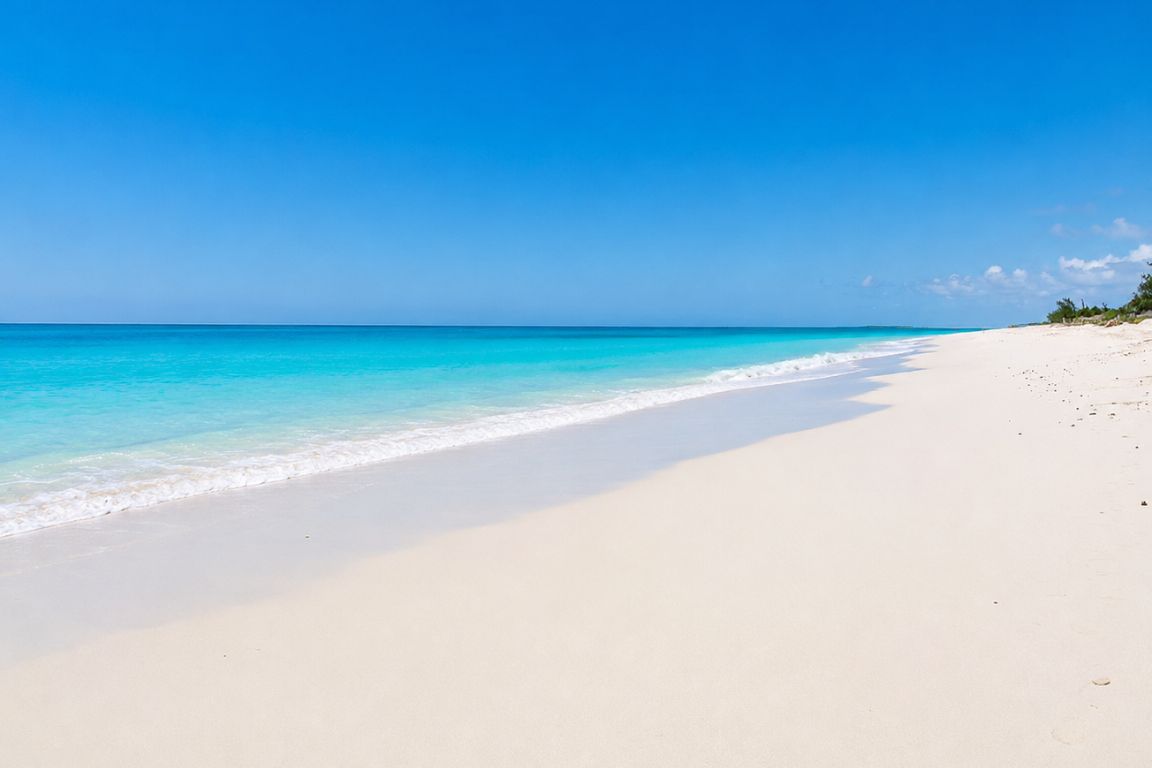 Turks and Caicos stands apart from other Caribbean destinations in three specific ways: the water color and clarity, the reef system’s accessibility, and the consistent absence of crowds outside the main resort strip. The sand on Grace Bay is a shade of white that most Caribbean beaches don’t match. The barrier reef, the third-largest in the world, starts about 30 feet off the beach. And most of the 40 islands are uninhabited.
The water color is the thing that stops people mid-sentence when they try to describe it. Not turquoise, exactly. Something between turquoise and white, so pale in the shallows that the seafloor is visible from a considerable distance out, then deepening to something dark and rich where the reef begins. It’s a function of the limestone sand, the specific angle of the light, and the almost total absence of sediment in the water. You can see photographs of Grace Bay Beach on a thousand websites and still be caught off guard when you stand in front of it for the first time.
Most Caribbean beaches look good. A handful look extraordinary. Turks and Caicos has several that belong in that second category, and the barrier reef system that parallels the north coast of Providenciales is one of the healthiest and most accessible in the Atlantic. You don’t need a boat to reach it. You wade in from the beach.
The other distinguishing feature is the scale. Over 40 islands and cays, eight of them inhabited, most of the rest protected wilderness or undisturbed coastline. On any given boat charter, you can reach a beach with no other people on it within 30 minutes of leaving the marina. That’s not a guarantee you’ll find in Barbados or St. Martin or the more developed corners of the Bahamas.
What it doesn’t have is equally worth stating: significant nightlife, dramatic volcanic scenery, dense cultural history in the way of cities, or a bustling market culture. It has turquoise water, white sand, coral, and quiet. That’s the offer. People who understand that before they arrive tend to love it. People who don’t tend to call it boring.
We’ve got a full breakdown on the best things to do in Providenciales if you want to know exactly how to split your time between the ocean, the island, and everything in between.
What Does Turks And Caicos Actually Cost, And Is It Worth The Price?
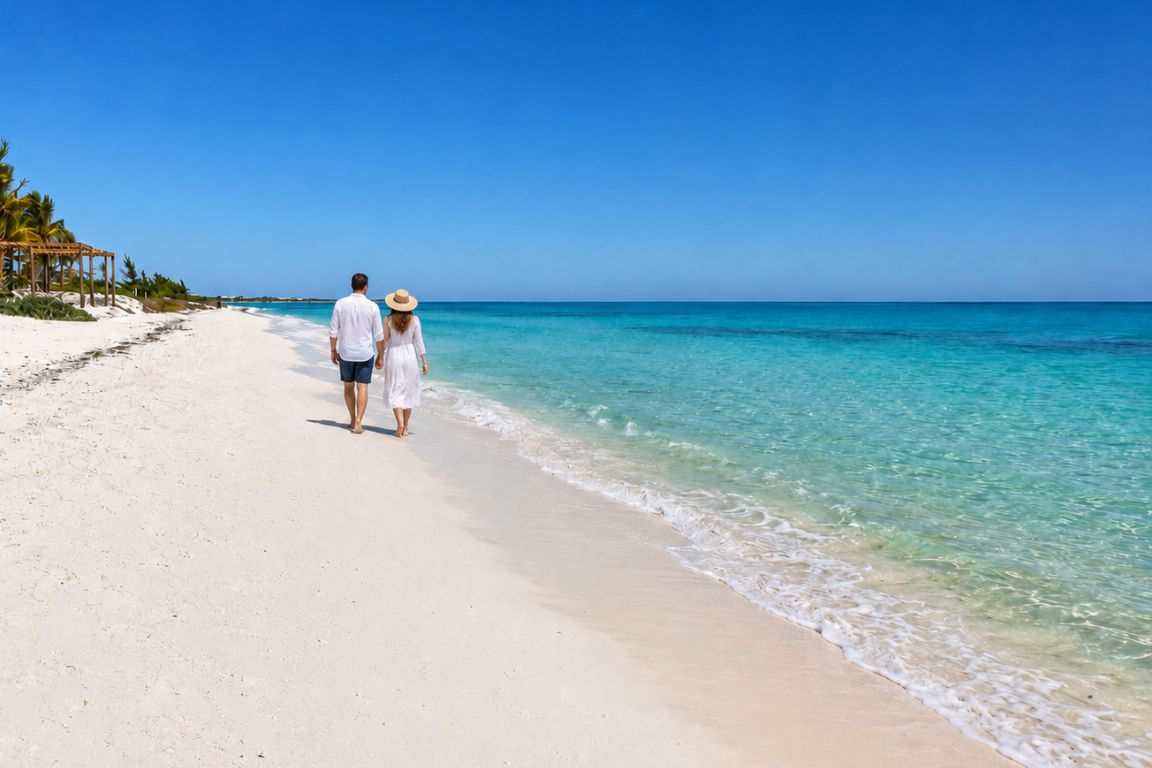 Turks and Caicos is genuinely expensive. A mid-range traveler should budget around $379 per person per day excluding flights, with resort hotels running $400 to $800 per night during peak season. The cost reflects what the island delivers: exceptional beach quality, clean infrastructure, and high food standards. Budget travelers exist here, but it takes real effort to stay under $200 per day.
The cost is driven by a few structural realities that won’t change. The Turks and Caicos imports the vast majority of its food, which means everything costs more than it would at source. Resort restaurants add a 12% tourism tax and a 10% service charge by law. There’s no public transportation, so anyone who doesn’t rent a car ends up paying frequent taxi fares that are charged per person, not per trip. The fundamentals of the island’s economy, small population, heavy reliance on imports, high demand from a narrow source market that is 81% American, push prices up and keep them there.
| Accommodation (per room, split 2 ways) | $75-$100 | $150-$300 | $400-$800+ |
| Food and Drinks | $40-$60 (local restaurants) | $100-$160 | $200-$300+ |
| Transportation (car rental, split 2 ways) | $25-$35 | $30-$50 | $50-$100 |
| Activities (daily average) | $0-$30 (beach reefs free) | $50-$100 | $150-$300 |
| Approximate Daily Total | $140-$225 | $330-$610 | $800-$1,500+ |
Prices verified June 29, 2026. Peak season surcharges (December through April) can increase accommodation costs by 30 to 50%.
Where people find value within the cost: the beaches cost nothing to access. Grace Bay, Taylor Bay, Chalk Sound, Long Bay, all public and free. The Bight Reef and Smith’s Reef snorkeling sites are walk-in. Local restaurants in the Blue Hills and Five Cays areas of Providenciales charge $15 to $25 for a full meal. The resort strip is not the only option for food, and the travelers who figure that out early spend significantly less than those who eat every meal beachside at a Grace Bay restaurant.
Where people get surprised: taxis cost more than expected and are charged per person. Resort restaurant taxes add 22% before a tip. Excursions and boat charters are a major cost if you want to see the outer reef. A week for two at a mid-range Grace Bay resort with activities, car rental, and restaurant dining realistically costs $5,000 to $8,000 before flights.
Is it worth that? For people whose vacation priority is genuinely exceptional beach and marine conditions, yes. For people who would be equally happy on a $2,500 week in Mexico or Jamaica, no. The honest answer is that it depends entirely on what you’re paying for.
Not sure how much to budget for a week on the island? This guide on Turks and Caicos travel costs explained covers accommodation, food, activities, and the expenses most travelers don’t see coming.
What Are The Best Reasons To Visit Turks And Caicos?
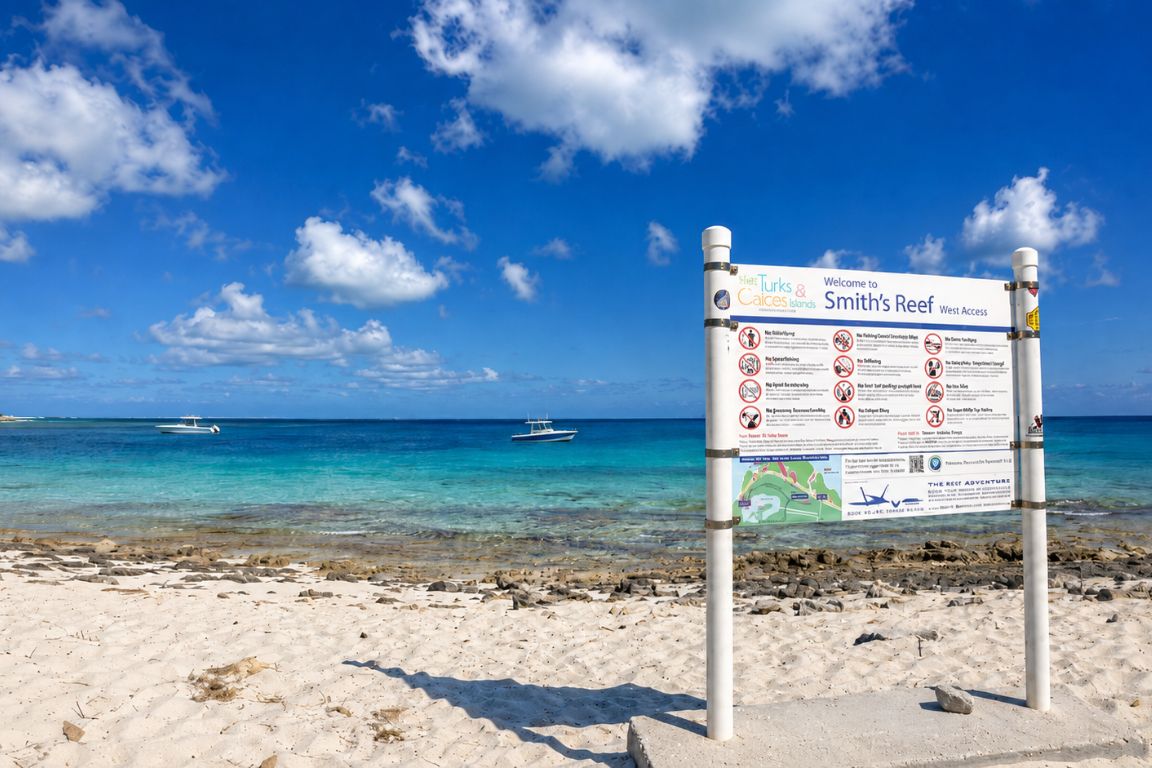 The best reasons are: Grace Bay Beach is legitimately one of the finest beaches on earth, the reef system is the third-largest in the world and accessible from shore, the water clarity is among the best in the Atlantic, and the islands are genuinely uncrowded outside the main resort strip. These aren’t marketing claims. They’re consistent realities that have driven record visitor numbers year over year.
The reef is the reason people come back. Grace Bay Beach is the reason they book in the first place. Then they get in the water, and the reef is what they talk about for the next five years. The third-largest barrier reef in the world runs parallel to the north coast of Providenciales, and sections of it start 30 feet off the beach. Green and hawksbill turtles graze in the seagrass in front of the resort strip. Spotted eagle rays cruise the channel at Smith’s Reef. The outer reef wall drops to 7,000 feet. Visibility in peak conditions runs 60 to 100 feet. It’s the kind of diving and snorkeling that makes people get certified or upgrade their certifications specifically to come back and go deeper.
The convenience factor matters too, and it often gets overlooked. A 90-minute flight from Miami, under four hours from Toronto and New York, no visa required for North American and British and EU travelers, US dollars used everywhere, English spoken everywhere, left-hand traffic is the only real adjustment. For North American and European travelers who want a real tropical escape without a long-haul flight or significant currency hassle, TCI sits in a genuinely practical position.
The record visitor numbers in 2024, nearly two million across air and cruise arrivals, with air arrivals alone increasing by nearly 11% year over year, reflect something real. People who went once are going back. Repeat visitors are one of the most consistent patterns we see across all the traveler types we work with.
If you’d rather hand the logistics to someone who’s done this 16,800 times, start with the best boat tours in Turks and Caicos and choose a charter that fits your dates.
First time in TCI and trying to figure out where to base your beach days? Our guide on Grace Bay vs Long Bay Beach makes the choice pretty straightforward.
What Are The Honest Downsides Of Visiting Turks And Caicos?
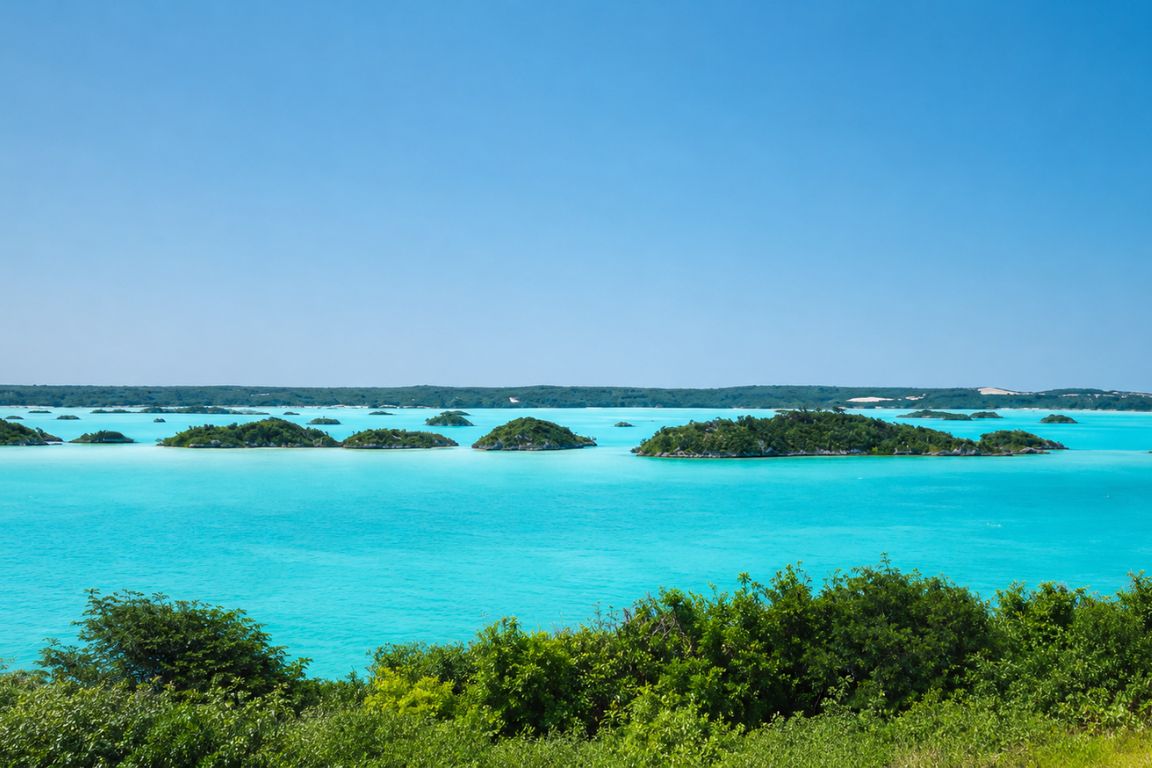 The honest downsides are: it’s expensive, the nightlife is minimal, the land attractions are limited, December and January can be unexpectedly windy, the airport on Providenciales is understaffed during peak arrivals, and resort concierges and taxi drivers work on commission from activity operators. Knowing these before you arrive changes the trip significantly.
The cost is the biggest one, and it’s already covered. But the second most consistent complaint from first-time visitors is the wind in December and early January. High season starts in December, prices reflect it, people show up expecting the best weather of the year, and some years the trade winds are strong enough to cancel snorkeling excursions and make the beaches uncomfortable for days at a stretch. This is not unique to TCI but it catches people by surprise because peak season pricing implies peak conditions. February and March are more reliable. The rates are similar, but the weather is more settled.
Nightlife is genuinely thin. There’s a casino on Providenciales (Casablanca in Grace Bay), a handful of beach bars, some live music most nights at various restaurants, and not much else. This isn’t a criticism, it’s accurate information. The island shuts down early by most party-destination standards. People who want to bar-hop until 3am will be disappointed. People who want to be in bed by 10pm after a full day of reef and beach will be perfectly happy.
Land attractions are sparse. Cheshire Hall Plantation, Chalk Sound National Park, the Turk’s Head Brewery tour. That’s about the extent of it on Providenciales. There are no mountains, rivers, rainforest trails, or colonial cities to explore. Grand Turk has more historical character and the National Museum, but it’s a separate trip. If you need cultural immersion or land-based adventure as a core part of your vacation, TCI is not the right destination.
The airport situation is a practical annoyance worth knowing. The Providenciales International Airport is too small for the volume of weekend flights it handles in peak season. Immigration queues of one to two hours on arrival are common in December through April. Fast-track concierge service is available and worth it. Arriving midweek instead of Saturday or Sunday cuts wait times significantly.
One more thing that tends to surprise people: resort concierges and taxi drivers typically earn commissions from the tour operators and restaurants they recommend. This doesn’t mean their suggestions are wrong, but it does mean you’re not getting unbiased advice when the person at the front desk tells you which snorkeling company to book. Do your own research before you arrive.
Every month in TCI feels different depending on what you’re after. Here’s a full guide on Turks and Caicos by month so you can match your travel dates to the weather, the crowds, and the experiences you actually want.
How Does Turks And Caicos Compare To Other Caribbean Islands?
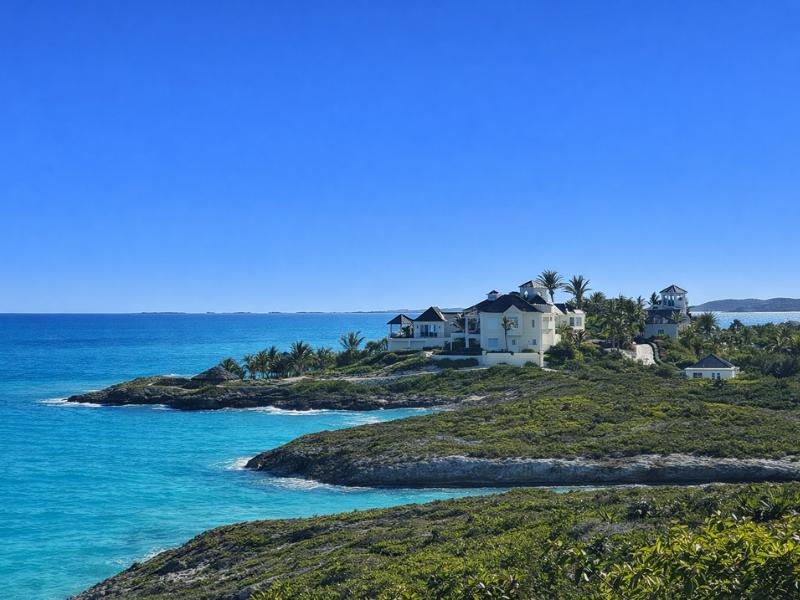
Turks and Caicos has the best beaches and reef accessibility in this comparison group. It costs more than Jamaica or the Dominican Republic, about the same as the Cayman Islands, and slightly less than Barbados for comparable accommodation. It offers less nightlife and cultural activity than most alternatives. For beach and marine quality, it is at or near the top of the Caribbean and Atlantic island destinations.
The Bahamas is the comparison that comes up most often, partly because people confuse the two destinations and partly because they’re geologically similar. The Bahamas has more variety: 700 islands, from the casino strip of Nassau to the pig beaches of Exuma to the pink sand of Harbour Island. TCI has less variety and higher consistency. Grace Bay’s 12-mile crescent is longer than Harbour Island’s famous pink beach by a factor of four. The reef systems are comparable in health, but TCI’s barrier reef offers wall diving that plunges to 7,000 feet just offshore. The Bahamas has better blue-hole cave diving. For surface and shallow reef work, TCI edges it. For dedicated technical divers, it’s closer.
Against Jamaica and the Dominican Republic, TCI is simply a different category of destination. Those islands compete on price, resort infrastructure, nightlife, and cultural variety. TCI doesn’t try to. It competes on beach quality and marine environment, and in that comparison it wins easily. The question is whether what TCI offers justifies the price premium, which comes back to what you’re actually looking for from a trip.
| Turks and Caicos | World-class | World-class; 3rd-largest reef | Very High | Minimal | Beach purists, divers, couples, families |
| Bahamas | Excellent (varies by island) | Good; blue holes, sharks | High | Moderate (Nassau) | Variety seekers, larger groups |
| Cayman Islands | Very good (Seven Mile Beach) | Excellent; wall diving | Very High | Moderate | Divers, families, safety-focused travelers |
| Barbados | Very good | Good (west coast) | High | Strong | Culture, nightlife, food scene |
| Jamaica | Good | Moderate | Mid-range | Strong | Budget all-inclusive, music, culture |
| Dominican Republic | Good (Punta Cana) | Moderate | Low-Mid | Strong | Budget travelers, large resorts |
Prices verified June 29, 2026. Cost comparisons based on mid-range accommodation and dining in each destination.
Who Is Turks And Caicos Best Suited For?
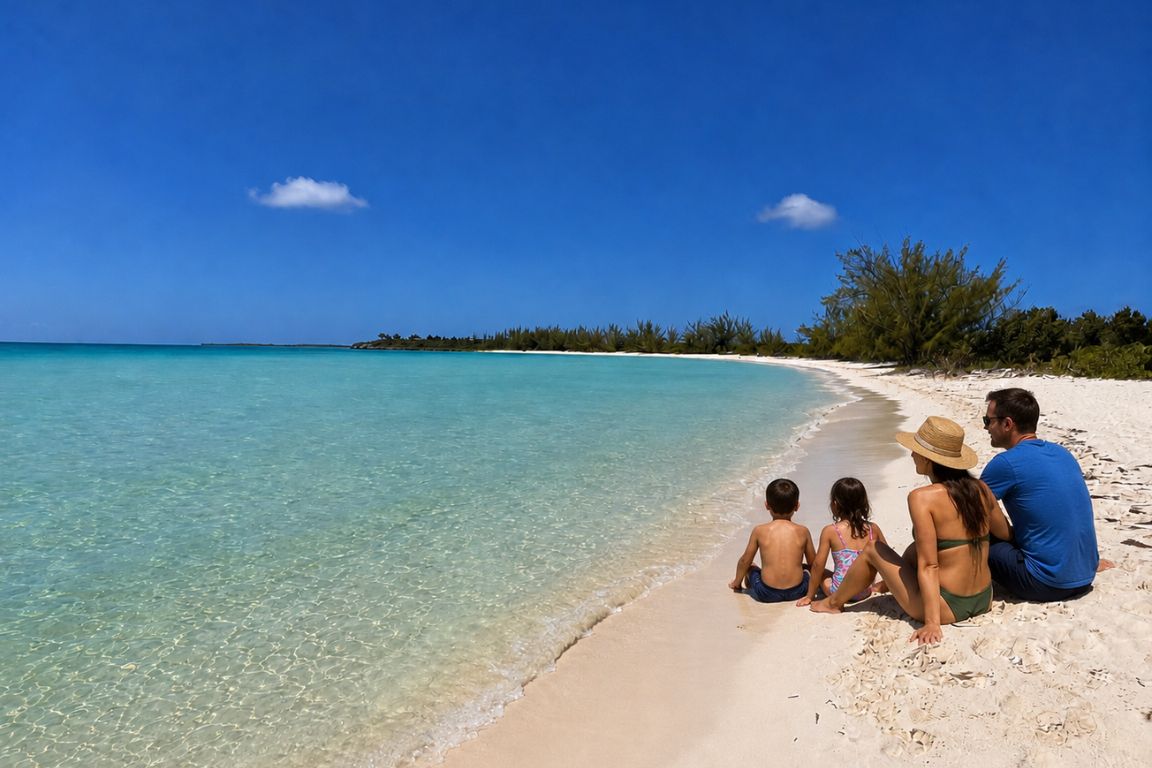 Turks and Caicos is best suited for beach and ocean-focused travelers: couples and honeymooners, families with young children, serious snorkelers and divers, and anyone for whom beach quality is the primary measure of a good vacation. It is not well-suited for budget travelers, nightlife seekers, cultural tourists, or anyone who needs organized land-based activities to feel satisfied on a trip.
Couples and honeymooners are the most obvious fit. The combination of genuinely stunning beaches, fine dining, private boat charters to deserted cays, and a relaxed pace that rewards slow days without guilt is very well matched to what people want from a romantic trip. The floating barge bars, sunset catamarans, and private villa rentals available on Provo are also specifically well-designed for two people who want privacy without sacrifice.
Families with younger children find TCI works extremely well, and the main reason is Taylor Bay. Knee-deep water for a hundred meters, protected from swell, calm enough that children can wade without supervision while adults sit nearby. The Bight Reef snorkel trail uses underwater buoy markers that children can follow. The island is physically safe in a way that relaxes parents. Crime is low, roads are manageable, beach conditions are gentle. What families with young kids tend to miss is organized land-based entertainment beyond the beach. There are no theme parks, no major children’s museums, no rainforest zip-lines. Beach, water, maybe a horseback ride, and the reef. That’s what’s on offer.
Divers and serious snorkelers will find more here than in most Atlantic destinations. The outer barrier reef, the wall dives dropping to 7,000 feet, the whale shark and humpback whale seasonal windows, the consistent turtle and ray sightings, all of this makes TCI one of the premier diving destinations outside the Indo-Pacific.
Who shouldn’t go: anyone on a tight budget who needs every dollar to stretch as far as possible, anyone expecting significant nightlife after 10pm, anyone coming primarily for food diversity and cultural exploration, or anyone whose dream trip involves hiking, waterfalls, or dramatic terrain. None of that exists here in any meaningful way.
We’ve been putting travelers on the right reef since 2012. The Grace Bay snorkeling half-day group tour is the straightforward way to see it.
The island rewards travelers who do a little homework before they arrive. Here’s Turks and Caicos tours on a budget so you spend your money on the things that actually matter and stop paying tourist prices for everything else.
When Should You Visit Turks And Caicos, And When Should You Skip It?
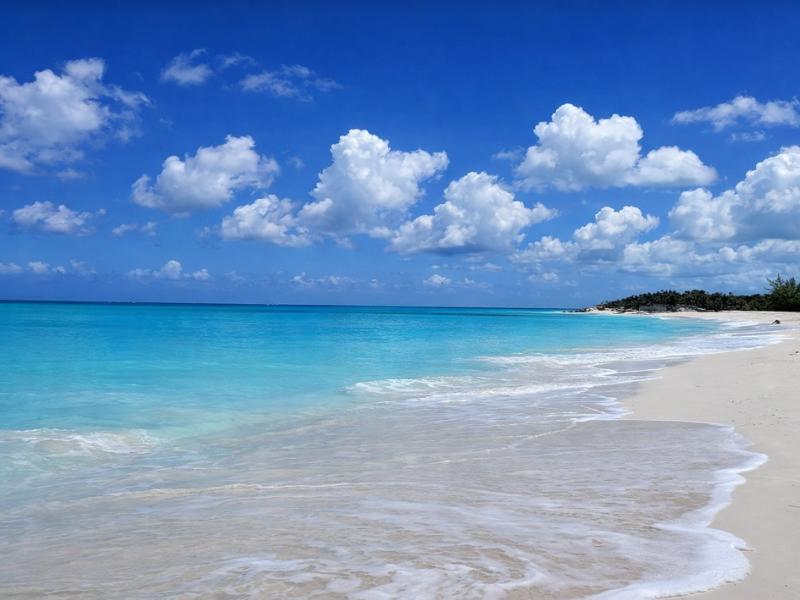
Visit in February, March, or April for the best combination of weather and reliable conditions. Visit in November for similar quality at lower prices and thinner crowds. Skip mid-August through mid-September if hurricane risk matters to you. And if your dates land in December or early January, know that the weather can be genuinely windy despite the high-season pricing.
February and March are the months when the wind settles, the seas calm, and the visibility peaks. These are also the months when humpback whales are migrating through TCI waters, which adds a seasonal wildlife layer that most visitors don’t know to plan around. April is nearly as good and sometimes less expensive than the February-March peak.
November is the best-kept secret on the calendar. The weather is warm (around 84 degrees Fahrenheit), rain is typically brief, the seas are still warm from the summer, and the crowd has thinned out enough that restaurant reservations are easier and beaches are less populated. The Conch Festival happens the last weekend of November on Providenciales. Prices for accommodation are significantly lower than peak season rates. Travelers who know the island well and aren’t constrained by school schedules tend to book November.
Mid-August through mid-September is when the statistical hurricane risk peaks. The islands have been largely lucky in recent decades; most named storms have tracked east or west of TCI rather than directly over it. But a hurricane that clips the islands, or even passes nearby enough to cancel flights and excursions, can ruin a trip. If your travel dates are flexible, move them. If they’re not, buy comprehensive travel insurance and accept the statistical risk.
December is complicated. It’s high season. Prices reflect that. But December through early January can bring strong trade winds, rough seas, and excursion cancellations. Every year, a percentage of December visitors end up frustrated that they paid peak prices and couldn’t use the beach or get on the water for large parts of their stay. This is not a consistent outcome, but it’s common enough to warrant knowing. If December is your only option, the last two weeks of December into early January tend to be calmer than the early part of the month.
Trying to avoid peak season prices without sacrificing good weather? Here’s the best time to visit Turks and Caicos tours for travelers who want value without the tradeoffs.
What Do First-Time Visitors Wish They Had Known Before Going?
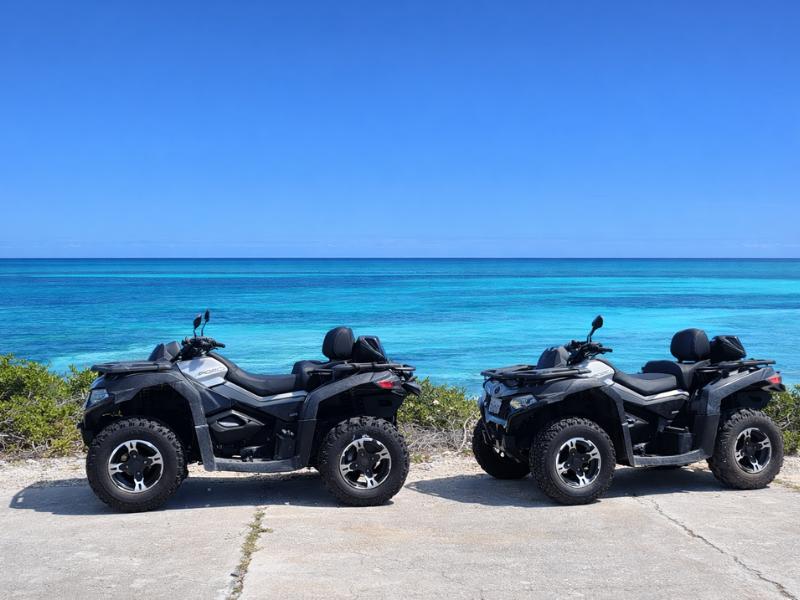
The things first-time visitors most consistently say they wish they had known: rent a car rather than rely on taxis, eat at local restaurants in Blue Hills and Five Cays rather than only the Grace Bay strip, book a boat snorkeling tour early in the stay rather than saving it for the last day, bring reef-safe sunscreen, and arrive on a weekday to avoid the airport immigration queue.
The car rental issue comes up constantly. Taxis on Provo are expensive and charged per person. The island is 38 square miles and the best restaurants, beaches, and experiences are spread across it. Without a car, most visitors spend the week within walking distance of their resort, which means they miss Chalk Sound, Taylor Bay, Smith’s Reef, Da Conch Shack, the Blue Hills road, and everything else that makes the island interesting beyond the Grace Bay strip. A car rental costs around $50 per day. It pays for itself in avoided taxi fares within two trips.
The local restaurant gap is real. Resort dining is well-designed and convenient, but it’s expensive, and after two nights of $40 entrees with a 22% tax added, the tab gets uncomfortable. The restaurants in Blue Hills and Five Cays, Omar’s Beach Hut, Mary’s Kitchen, Mangrove Bay, Da Conch Shack, serve fresher fish at a fraction of the price. People who find these spots in the first two days tend to save significant money and eat better food.
Booking the boat tour on day one or two rather than saving it changes the whole week. People who do the outer reef tour early have a reference point for everything else. They understand what the island’s marine environment really looks like at its best. People who save the boat tour for the last day often feel they should have done it sooner and booked a second trip if time had allowed.
Reef-safe sunscreen is not optional. DECR regulations protect the marine environment, and the reef health directly affects everything visitors come here for. Chemical sunscreens harm coral polyps. Zinc oxide or titanium dioxide formulations are what the reef can tolerate. Bring them from home because the island’s retail supply is limited and more expensive.
The airport. Peak-season weekends at Providenciales International Airport mean immigration queues of one to two hours. If your itinerary can absorb a midweek arrival, take it. If not, the fast-track concierge service that allows priority immigration processing is worth the cost during the December through April window. Arriving at a resort after a full travel day is one thing. Arriving after that plus a two-hour airport queue is another.
Questions before you commit? Look at the Grace Bay snorkeling half-day group tour first if the reef is what you need to judge.
First time on the island and trying to figure out which water experience is worth your money? Our guide on the best boat tours in Turks and Caicos walks you through the options by group size, budget, and what you want to see.
What Our 16,800 Travelers Say: Worth It?
| Would return to Turks and Caicos for a second trip | 91% | One of the highest repeat intent rates we track across all destinations |
| Rated TCI “worth the cost” after their trip | 87% | Pre-trip concern about cost was common; post-trip perception improved significantly |
| Said the beach exceeded expectations | 94% | Grace Bay specifically mentioned most often |
| Said the reef exceeded expectations | 89% | Highest surprise rating for any single feature |
| Wished they had rented a car from day one | 63% | Among those who used taxis exclusively or for most of the trip |
| Said they would recommend TCI to a friend planning a beach trip | 93% | With the caveat that the friend needs to understand the cost and pace |
Frequently Asked Questions
Is Turks and Caicos worth visiting for the first time?
Yes, if beaches and reef quality are your primary measures of a good trip. Grace Bay is consistently ranked among the best beaches in the world, the barrier reef is the third-largest in the world, and the logistics are unusually easy for North American and European travelers. If you’re expecting nightlife, cultural density, or adventure terrain, it’s the wrong destination.
Is Turks and Caicos too expensive for a normal budget?
It depends on the budget. Mid-range travelers who rent a car, mix local restaurants with resort dining, and focus on free beach activities can manage around $250 to $400 per person per day. Budget travelers who need to stay under $150 per day will struggle without compromising accommodation quality significantly. The island doesn’t have a budget tier equivalent to what you’d find in Jamaica or Mexico.
Is Turks and Caicos better than the Bahamas?
For beach and reef consistency, yes. TCI’s Grace Bay and the barrier reef system are more consistent and more accessible than most Bahamian equivalents. The Bahamas offers more variety and more activity options across its 700-plus islands. If you want one perfect beach week, TCI is the stronger choice. If you want island-hopping variety and more budget flexibility, the Bahamas gives you more to work with.
Is Turks and Caicos safe for tourists?
Yes. Crime targeting tourists is low and the island is generally considered one of the safer Caribbean destinations. The US State Department rates TCI at Level 1 (exercise normal precautions). As with any destination, basic awareness and common sense apply, especially at night and in less-trafficked areas.
How many days do you need in Turks and Caicos?
Five to seven days is the standard for a first visit that covers the main beaches, at least one snorkeling boat tour, a visit to the outer cays, a day at Chalk Sound, and a decent range of the local restaurants. Shorter stays feel rushed if you’re trying to do all of that. Longer stays work well for people who want to move slowly and get into a beach routine.
Do you need a visa to visit Turks and Caicos?
US, Canadian, UK, and EU passport holders do not require a visa for visits to the Turks and Caicos Islands. A valid passport is required, and US, UK, and Canadian holders need a passport valid for the duration of their stay. Other nationalities should check entry requirements before booking.
We’ve guided over 16,800 travelers through Providenciales, Grand Turk, and the Caicos cays since 2012. If you want a concrete next step, check the Grace Bay snorkeling half-day group tour or compare options on the best boat tours page.
Written by Baran Ellis
British tour guide since 2012 · Founder, Turks and Caicos Tours
Baran has guided over 16,800 travelers across Providenciales, Grand Turk, and the Caicos cays since founding the agency.