Best Time To Visit Turks And Caicos
February to April is the best time to visit Turks and Caicos, with calm seas, perfect beach weather, and excellent snorkeling, while November offers the best value with fewer crowds.
Use the section recommendations to match an outing to your trip, then compare dates and trip details at the end.
Last updated: July 4, 2026
February through April is the best time to visit Turks and Caicos for most travelers. The weather is settled, the seas are calm, and humpback whales are migrating through the islands. November is the best value month: similar conditions, lower prices, thinner crowds. Avoid mid-August through mid-September if hurricane risk matters to you. And if your only option is December or early January, know the trade winds can be stronger than the high-season pricing suggests.
Once you have a month, check one Providenciales water day against your actual travel date before you lock hotels, dinners, and the rest of the week.
Your Turks And Caicos Plan
- Choose February for the strongest all-around window, early March for similar conditions, or November for quieter value.
- Check the actual travel date before arranging other trip components because boat schedules and operating conditions can change.
- Providenciales, Grand Turk, North and Middle Caicos, and Salt Cay are different islands, so match every activity to where you will stay.
| Peak Season | Dec – Apr | Dry, warm, can be windy Dec–Jan | Highest | Whale watching, settled seas, clear skies |
| Shoulder | May, Nov | Warm, brief showers, fewer crowds | Mid-range | Value seekers, quiet beaches |
| Low Season | Jun – Oct | Hottest, most humid, hurricane risk | Lowest | Budget travelers, flexible schedules |
| Annual Sunshine | Year-round | Approx. 350 sunny days per year | N/A | TCI is one of the driest islands in the Atlantic |
| Hurricane Risk | Jun 1 – Nov 30 | Peak risk: mid-Aug through mid-Sept | Cheapest | Risk-tolerant travelers with travel insurance |
| Whale Watching | Jan – Apr | Humpbacks migrating through TCI waters | Peak rates | Wildlife, diving, snorkeling |
| Water Temp Range | Year-round | 77°F (25°C) winter to 85°F (29°C) summer | N/A | Always warm enough for swimming |
Prices verified June 29, 2026
What Is The Best Month To Visit Turks And Caicos?
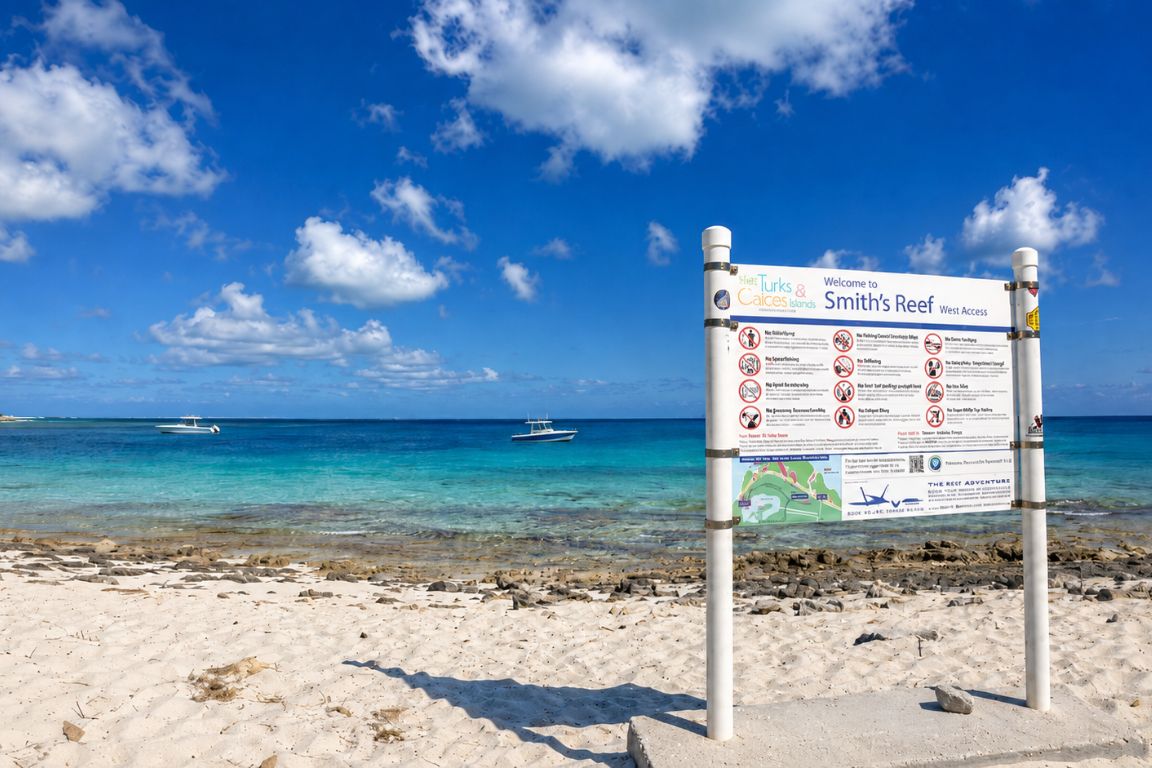 February is the single best month to visit Turks and Caicos. The trade winds settle, the seas calm, visibility peaks at 60 to 100 feet on the reef, and humpback whale migration is at its height. March is the best month overall if you need to account for price and crowds, with settled weather and slightly more accommodation availability than February. For value, November beats them both.
Ask this question to a hundred TCI veterans and you’ll hear February, March, and November come back with surprising consistency. Not December, despite the high-season marketing. Not peak-priced Christmas week. February is when the island shows you exactly what it’s capable of. The wind that can make December and January unpredictable has usually settled. The water has that almost unsettling clarity. The humpbacks are in the passage between the Turks and Caicos Islands, and some years you can hear them singing from 30 feet underwater at Smith’s Reef while they’re still a mile away.
March runs close. The last weeks of March bring spring break crowds, which changes the energy on Grace Bay Beach noticeably. The first two weeks of March are often the best combination of warm, calm weather and manageable resort capacity. Humpbacks are still around through early April. Sea conditions are reliably excellent.
November is the answer we give travelers who ask for the best value month and don’t want to risk a hurricane. The ocean is still warm from the summer, accommodation rates haven’t climbed to peak season levels yet, beaches are thinner of people, and restaurant reservations are easier to get. The Conch Festival runs the last weekend of November, which is either a reason to book that week specifically or a reason to avoid it depending on whether festivals are your thing. For most first-timers with flexible dates, November delivers 80% of the February experience at about 60% of the cost.
Not sure which month gives you the best combination of good weather, reasonable prices, and fewer tourists? This breakdown on Turks and Caicos by month covers every season honestly so you can pick the window that fits your priorities.
What Is The Weather Like In Turks And Caicos By Month?
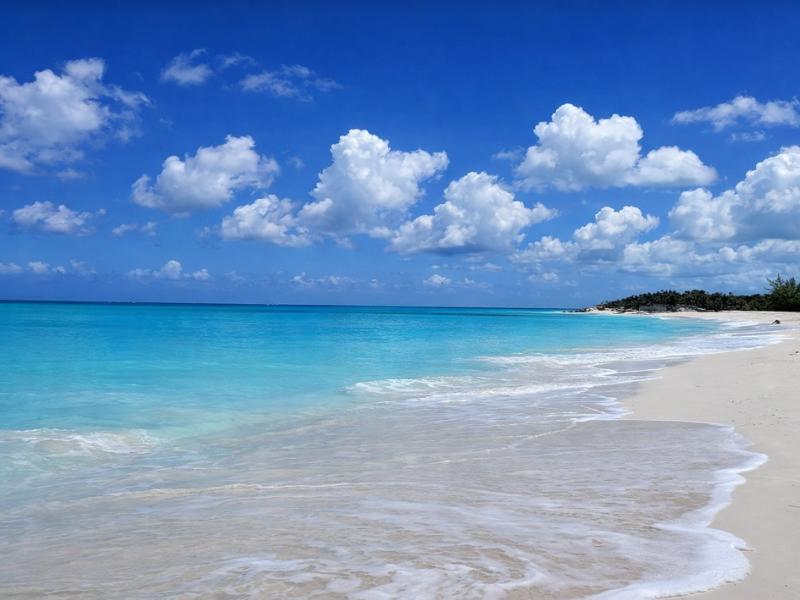
Turks and Caicos has one of the most consistently pleasant climates in the Atlantic. Annual temperature range is 75 to 95 degrees Fahrenheit, with around 350 sunny days per year and an annual rainfall of only 33 to 40 inches, far lower than most Caribbean destinations. The meaningful variation is not temperature but wind, sea conditions, and hurricane risk.
The dry season runs January through April. These months average the lowest rainfall of the year, typically under 30mm (around 1.2 inches) per month, and the clearest skies. The wet season runs roughly May through November, though TCI’s wet season is considerably drier than the equivalent on more southerly Caribbean islands. Even September and October, the wettest months, typically deliver rain in brief afternoon downpours rather than day-long events. Most showers last under 10 minutes.
The trade wind is the other key variable. Throughout the year, TCI experiences an east-southeast trade wind running typically 12 to 20 mph. In the winter months, passing frontal systems from the continental United States occasionally push through and bring colder, gustier conditions from the north or northwest. These events last one to three days and can make the seas rough enough to cancel boat excursions. They’re not common, but they happen more in December and January than at any other time of year. The summer months are actually calmer at sea, the trade wind becomes lighter, and the ocean turns glassy on many days. The tradeoff is the hurricane risk window.
Water temperature follows air temperature with a few degrees of lag: around 77 to 79 degrees Fahrenheit in the winter months and up to 84 to 85 degrees in late summer. Both are perfectly comfortable for swimming and snorkeling year-round. Some visitors find the winter water temperature slightly brisk for the first few minutes; nobody gets out because of it.
If you already have dates in mind, look at the Grace Bay snorkeling half-day and see whether that window has space.
Trying to figure out if the winter premium is actually worth it or if summer is more underrated than people think? Here’s summer vs winter in Turks and Caicos tours broken down so you stop second-guessing and start booking.
Turks And Caicos Month-by-Month Breakdown: January Through December
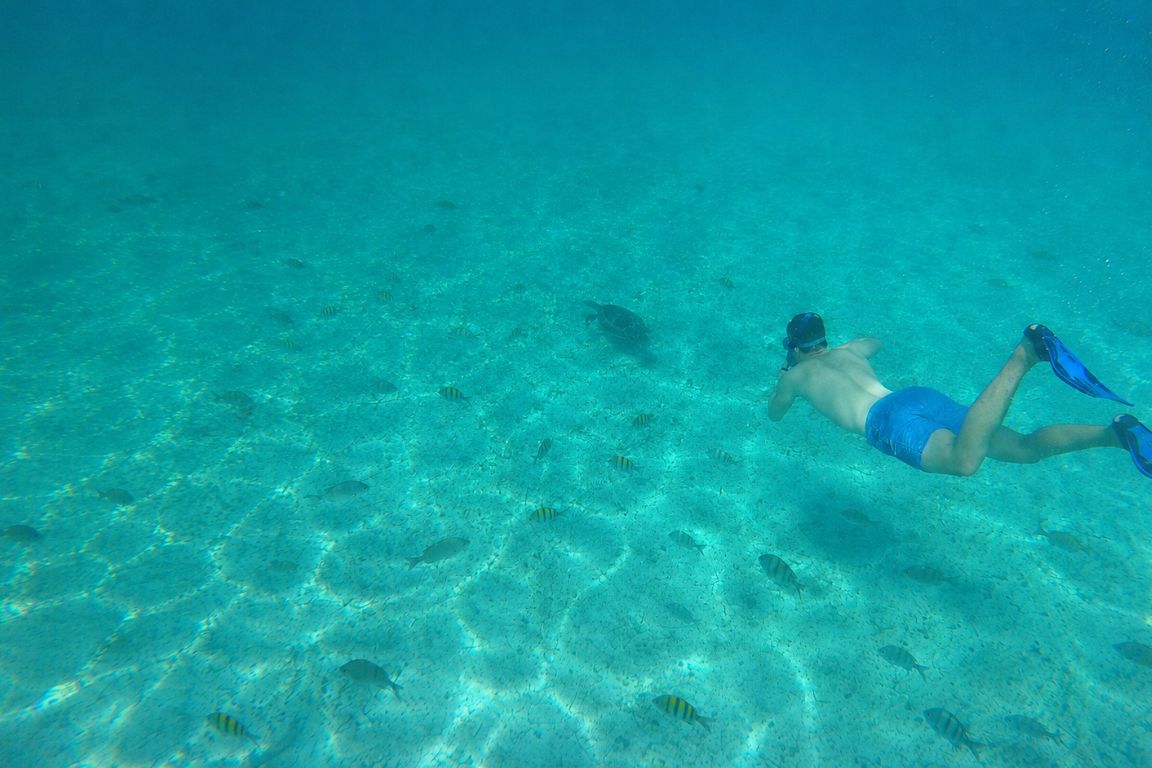 Every month in Turks and Caicos is beach-capable. What changes is wind, price, crowds, water conditions, and which seasonal activities are on offer. Here is what each month actually looks like on the ground, based on over a decade of guiding travelers through every season.
January
Average high around 82 degrees Fahrenheit (28 degrees Celsius). Water temperature 77 to 79 degrees. Dry season in full effect, rainfall minimal. January is prime season and priced accordingly, with accommodation rates near their annual peak from the New Year rush carrying into mid-month. The seas are generally calmer than December, though passing northern fronts can still bring two or three days of rough water per month. Humpback whale season has opened: late January is when the first reliable sightings begin in the Turks Island Passage near Grand Turk and Salt Cay. Visibility on the reef is excellent. Beach snorkeling at Bight Reef and Smith’s Reef is at its best this time of year. The airport crowd from the holiday season has thinned slightly by mid-January. One note: lobster season is open (August through March), so restaurants have fresh spiny lobster on their menus.
February
Average high around 82 to 83 degrees Fahrenheit. Water temperature 77 to 78 degrees. The single best month for most visitors. Trade winds have usually settled into their most reliable pattern. The humpback whale migration is at its peak, with February producing the most consistent sightings year to year according to local operators. Reef visibility is typically at its annual best. Prices remain high, peak season in full effect, and the most popular Grace Bay resorts require bookings six to nine months ahead for February dates. If you can only go once, and you can manage the cost, this is the month. The occasional northern front still passes through but usually brings only a day or two of choppier conditions before clearing.
March
Average high around 83 degrees Fahrenheit. Water temperature 78 to 79 degrees. March is effectively the continuation of February in terms of weather quality, with the sea settled and the sky clear. The humpback whales are still around through mid-March. Spring break begins in the third week, and the Grace Bay resort strip gets noticeably busier through the end of the month. Prices peak during spring break weeks. If you can take the first two weeks of March, you get February-quality weather with slightly less resort competition and the same pricing. Kiteboarding conditions are excellent: the east-southeast trade wind is consistent, and Long Bay Beach runs to capacity on good days.
We’ve got a full breakdown on Grace Bay vs Long Bay Beach if you want to know which one suits your travel style before you even unpack.
April
Average high around 84 to 85 degrees Fahrenheit. Water temperature 79 to 80 degrees. April is underrated. The spring break crowd clears, prices soften slightly from the March peak, the weather is still excellent, and the ocean remains settled. Rainfall picks up very slightly compared to March but remains brief and infrequent. The humpback whale season is winding down by early April and typically ends before mid-month. Easter week brings a brief crowd surge if it falls in April. Outside of Easter week, April feels like the uncrowded version of February, and that’s not a bad thing at all.
May
Average high around 87 degrees Fahrenheit. Water temperature 80 to 81 degrees. May is the transition month and one of the best-kept secrets on the TCI calendar. Prices drop noticeably from peak season, sometimes by 20 to 30 percent. Crowds have thinned. The weather is warm, the ocean is calm, and the humidity hasn’t built to the levels of high summer yet. Rainfall increases from April but still typically arrives in short bursts. May has historically also seen elevated rain averages compared to neighboring months, so be aware the forecast may look wetter on paper than it feels on the ground. The South Caicos Regatta runs in late May, a local sailing event worth seeing if you’re there. Lobster season closes at the end of March, but fresh fish and conch remain available. May is arguably the best value month for travelers who can’t make November work.
June
Average high around 88 degrees Fahrenheit. Water temperature 82 degrees. Hurricane season opens June 1, though actual storm activity in June is extremely rare in TCI. The island is warm, slightly humid, and noticeably quieter than peak season. Prices have dropped further. Ocean visibility remains excellent. The Race for the Conch open-water swimming event typically runs in late June off Grace Bay Beach. Afternoon trade winds pick up in June, which is actually good for kiteboarding and creates pleasant conditions at the beach even in the heat of the day. For families with school-age children who have to travel in summer and are on a tighter budget, late June is one of the better windows in the low season.
July
Average high around 90 degrees Fahrenheit. Water temperature 83 degrees. One of the hottest months, but trade winds keep the heat manageable on the beach and the ocean surface. Rainfall is still relatively low compared to September and October. Ocean conditions are often among the calmest of the year, with the lighter summer trade wind producing flatter water than the winter months. The Turks and Caicos Music and Cultural Festival typically runs in late July into early August, bringing international artists to Providenciales. Kiteboarding is excellent in July as summer winds build. The water is warm enough that even non-swimmers stay in longer. Hurricane risk is present but still relatively low; July accounts for a small percentage of historical TCI storm activity.
August
Average high around 90 to 91 degrees Fahrenheit. Water temperature 84 to 85 degrees. The hottest month of the year in TCI, and statistically the beginning of the peak hurricane risk window. Mid-August through mid-September is when the Atlantic Hurricane Season reaches its most active period, and TCI sits in the path of storms that form near the Cape Verde Islands and track west. Direct hits are historically uncommon, but the risk of flight disruptions and excursion cancellations from storms tracking nearby is real. Prices are at their lowest of the year in late August. Travelers willing to accept the statistical risk and carry comprehensive travel insurance can access the island at a fraction of peak-season cost. The water is the warmest it ever gets, which some people specifically seek out. Those with fixed, non-refundable plans should avoid this window.
September
Average high around 90 degrees Fahrenheit. Water temperature 85 degrees. The peak hurricane risk month. Along with the last two weeks of August, this is the one period we most consistently advise against unless you have full travel flexibility, comprehensive insurance, and accept that a storm disruption is a real possibility. That said, most Septembers in TCI pass without incident. The island is very quiet. Prices are the lowest of the year. For remote workers or retirees with complete schedule flexibility, a September week with good travel insurance can be an extraordinary value. Everyone else: book elsewhere or another time.
October
Average high around 88 to 89 degrees Fahrenheit. Water temperature 84 degrees. October is the wettest month on average, with more rain days than any other time of year, though “wet” in TCI terms is still modest compared to most Caribbean destinations. Hurricane risk remains elevated through mid-October and then declines sharply. Late October is when the island starts its quiet recovery toward high season, and some of the better value windows open up. The ocean is still warm and calm. Grand Turk saw a 528% increase in US travel searches in 2024, partly driven by interest in visiting in the shoulder season when cruise ship crowds are lighter. If Grand Turk is on the itinerary, late October and early November is a good time to do it.
November
Average high around 84 degrees Fahrenheit. Water temperature 81 to 82 degrees. Our favorite month on the island for value-conscious travelers and the one we mention most often when someone asks where to find the intersection of good weather and reasonable prices. The hurricane season is winding down by mid-November. Rainfall peaks in November on paper (around 4.7 inches on average), but the majority falls in short bursts that clear fast. The ocean is still warm from summer, the beaches are uncrowded, and resort staff are fresh going into the season. Fine dining reservations are easy to get. The Caribbean Food and Wine Festival typically runs in early November, bringing Michelin-starred chefs to the Grace Bay resort strip. The Conch Festival runs the last weekend of the month in Providenciales. Book the week of the Conch Festival or the week before; either gets you the quiet November beach plus at least one local cultural event.
December
Average high around 81 to 83 degrees Fahrenheit. Water temperature 79 to 80 degrees. The beginning of high season and the month where the gap between pricing and conditions is widest. The water color in December is genuinely extraordinary on good days, the angle of light in the low winter sun hitting the pale limestone sand and producing a turquoise that photographs struggle to capture. But the northern fronts that push through in December can bring gusty, choppy conditions that make the beach uncomfortable and cancel boat excursions for one to three days at a stretch. Some December visitors get perfect conditions every day. Others spend a chunk of a $1,000-per-night stay watching rough water from the beach. Christmas week rates at top Grace Bay resorts can run two to three times the April equivalent, and availability requires booking six to nine months ahead. If December is your window, late December into early January tends to be calmer than early December. New Year’s Eve on Grace Bay with fireworks over the water is genuinely one of the better things the island does.
What Happens To Prices And Crowds Throughout The Year?
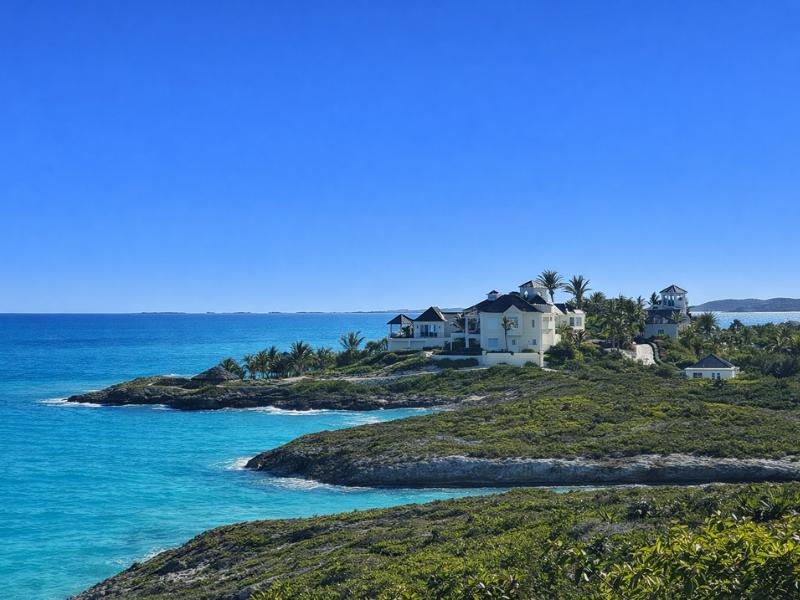
Peak season runs December through April, with accommodation rates 30 to 50 percent higher than the low season equivalent. March has the most expensive hotel rates of any month, averaging over $2,200 per night at luxury Grace Bay properties. September has the lowest rates. November offers the best combination of decent conditions and reasonable pricing, typically 30 to 40 percent below March levels.
Accommodation rates are most expensive in March at luxury Grace Bay properties, averaging over $2,200 per night. September rates average around $911 per night at the same properties. Christmas and New Year’s week can reach 2 to 3 times April equivalent pricing.
The price swing is real and substantial. A mid-range Grace Bay resort room that runs $500 per night in November can run $900 to $1,200 per night in February. The beach and reef are the same. The light is slightly different. The decision is whether the February conditions are worth the premium over November, and for first-timers specifically, they often are. For second or third visits when the novelty has settled into preference, November makes more financial sense.
| January | Very High | Busy | 4-6 months |
| February | Very High | Busy | 6-9 months |
| March | Peak (highest of year) | Very Busy (spring break weeks) | 6-9 months |
| April | High | Moderate to Busy | 3-5 months |
| May | Medium (20-30% below March) | Quiet | 1-3 months |
| June | Medium-Low | Quiet | 1-2 months |
| July | Medium-Low | Moderate | 1-2 months |
| August | Low | Quiet | Short notice possible |
| September | Lowest of year | Very Quiet | Short notice possible |
| October | Low-Medium | Quiet | Short notice possible |
| November | Medium (best value month) | Quiet to Moderate | 2-4 months |
| December | Very High (Christmas week = peak) | Very Busy | 6-9 months for Christmas week |
Prices verified June 29, 2026.
TCI has a reputation for being expensive and it’s mostly earned. Here’s a full breakdown of Turks and Caicos travel costs explained so you know what you’re actually signing up for before you book.
When Is Hurricane Season In Turks And Caicos And Should It Stop You?
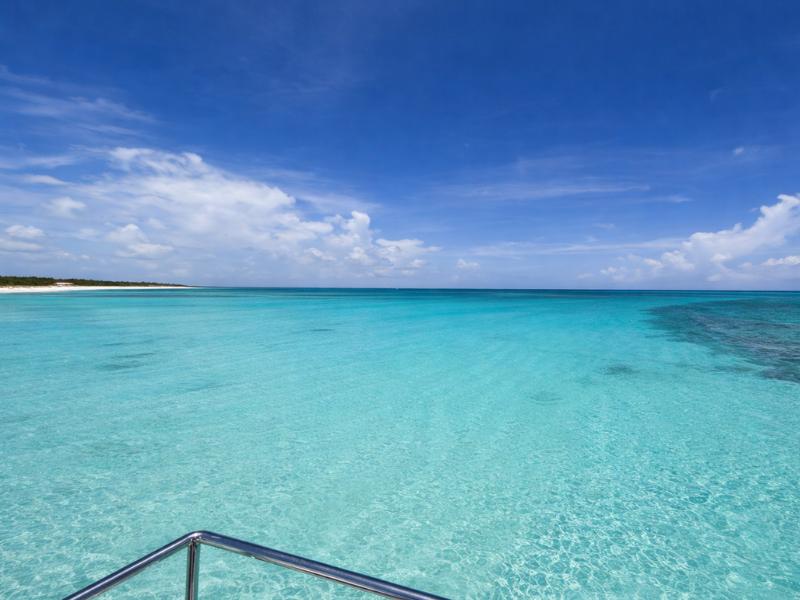
Hurricane season officially runs June 1 through November 30. The actual peak risk window for Turks and Caicos is mid-August through mid-September. Direct hits are historically uncommon: the country has experienced fewer than five significant hurricane impacts in the last 50 years. But flight disruptions and excursion cancellations from nearby storms are a real risk during the peak window, and that alone can ruin a trip.
The geography of TCI offers some protection. Storms forming in the mid-Atlantic tend to curve north before reaching the islands, and the land mass is small enough that direct strikes require a precise track. Grand Turk was badly damaged by Hurricane Ike in 2008, and Hurricanes Irma and Maria caused damage in 2017, particularly on the outer islands. But Providenciales, the main tourism island, has come through most storm seasons with limited impact. This isn’t a guarantee; it’s history.
What matters practically is this: if a storm forms in the Atlantic during your trip and tracks anywhere near TCI, airlines will adjust schedules, tour operators will cancel excursions, and you may spend two or three days in your resort with no ability to get on the water or move freely. That can happen even when the storm passes 200 miles away. For a five-day trip, losing two days to storm disruption is significant. For a ten-day trip with comprehensive travel insurance and full schedule flexibility, the August or September low prices may be worth the risk.
The honest recommendation: avoid mid-August through mid-September if you have any choice. Travel in June, July, or early August with comprehensive travel insurance and a flexible return flight if you want low season pricing without the highest statistical exposure. November has hurricane risk on paper until November 30 but sees very little actual storm activity; it’s a technical season designation more than a practical risk after mid-October.
What Activities Are Seasonal In Turks And Caicos?
Most TCI activities run year-round: beach, snorkeling, scuba diving, boat charters, kayaking, paddleboarding, kiteboarding, and fishing are all available in every month. The only truly seasonal activity is humpback whale watching, which runs January through April. Several activities are better at specific times without being exclusive to them.
The humpback whale window is the only hard seasonal constraint. January through April, the whales migrate through the Turks Island Passage near Grand Turk and Salt Cay, funneled by the underwater topography into a narrow channel that makes sightings unusually consistent. February is peak. You can hear whale song underwater from the Caicos reefs in a good February. Outside this window, the whales are gone.
Lobster is the other seasonal factor that affects the dining experience more than the activity itinerary. Fresh local spiny lobster is available on restaurant menus from August through March. From April through July, what’s on offer is imported or frozen. If fresh lobster at a table on the beach is part of what you’re coming for, this matters.
Not sure when the whales actually show up or how to find a tour that gets you close enough? This breakdown on the best time for whale watching in Turks and Caicos tours covers the season, the species, and what a sighting actually looks like out on the water.
| Humpback Whale Watching | Jan – Apr (peak: Feb) | No – seasonal only | Salt Cay and Grand Turk are the best locations; in-water encounters possible |
| Snorkeling | Dec – May (best visibility) | Yes | Water clarity peaks in dry season; summer visibility still excellent |
| Scuba Diving | Nov – May | Yes | Whale song audible underwater Jan-Mar; wall diving excellent year-round |
| Kiteboarding | Nov – Aug | Yes (except Sept-Oct: lightest winds) | Summer winds build strongly; Long Bay Beach is the main spot |
| Boat Charters | All year | Yes | Summer seas calmer; winter fronts occasionally cancel trips |
| Horseback Riding | All year | Yes | Book in advance year-round; fills quickly in peak season |
| Fishing (Sport) | Wahoo & sailfish: Oct-Apr; marlin & tuna: summer | Yes | Species availability shifts by season |
| Fresh Spiny Lobster | Aug – Mar | No – closed season Apr-Jul | Local lobster season; best restaurant availability Aug-Dec |
| Conch Festival | Late November | No – annual event | Providenciales; last weekend of November each year |
| Caribbean Food and Wine Festival | Early November | No – annual event | Grace Bay; Michelin-starred chefs; tickets required for individual events |
Prices verified June 29, 2026
What Is The Best Time To Visit Turks And Caicos On A Budget?
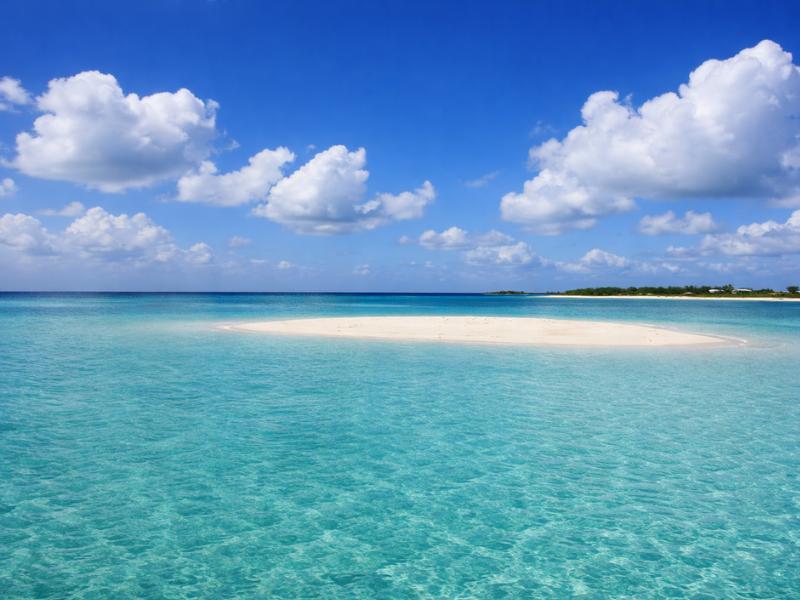
November is the best month for budget-conscious travelers who want reliable conditions. September and October have the lowest absolute prices but carry the highest hurricane risk. May offers good weather at 20 to 30 percent below peak rates with no weather risk. The single biggest savings lever is avoiding December through March, where accommodation rates can be double or triple the equivalent in May or November.
The math is significant. A resort room that costs $900 per night in February can cost $400 in November. That’s $3,500 in savings on accommodation alone for a week-long trip for two. The beach is the same. The reef is the same. The restaurants are open. The only real loss is the whale watching window and the February-specific visibility peak on the reef. For travelers who have been before and know what they’re getting, the November pricing is an easy choice.
Within any month, arriving midweek instead of Saturday or Sunday reduces the airport queue and sometimes produces slightly better rates. Staying at an inland villa rather than a beachfront resort cuts accommodation costs while keeping you within a 10-minute drive of Grace Bay. Eating at local restaurants in Blue Hills and Five Cays rather than the Grace Bay resort strip reduces daily food costs by $40 to $80 per person without sacrificing quality, often improving it. Renting a car from day one rather than using taxis saves money within two or three trips.
Trying to figure out which parts of TCI are worth paying full price for and which ones you can experience for a fraction of the cost? Here’s Turks and Caicos tours on a budget so you make smarter decisions from the moment you land.
What Is The Best Time To Visit Turks And Caicos For Families?
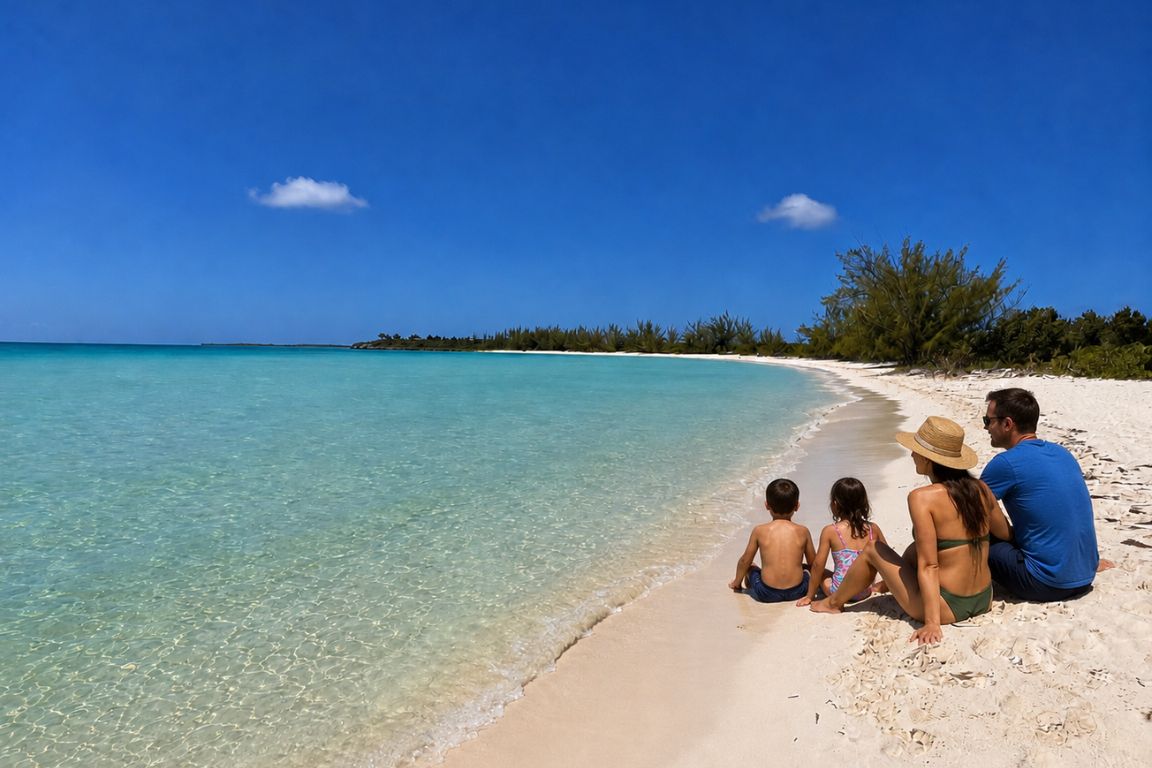 For families with school-age children who can only travel during school holidays, February, March, and the Christmas-to-New-Year window are the main options. For families with schedule flexibility, November or late April are the best choices: good conditions, lower prices, and calmer beaches. The water is safe for children year-round, so weather risk rather than ocean conditions drives the family timing decision.
Spring break (third and fourth weeks of March) is the most popular family window, and Grace Bay reflects that. The resort strip is busiest, excursion boats are fullest, and fine dining reservations require more advance notice. If spring break is the only window available, book accommodation and popular activities six to nine months ahead. If there’s any flexibility to shift a week earlier or a week later, the first two weeks of March or the first week of April both have the same weather and lower resort occupancy.
Christmas week is expensive and requires very early booking (nine to twelve months ahead for top properties), but it delivers the island at its most festive. New Year’s Eve on Grace Bay Beach with fireworks over the water is the kind of thing that genuinely works as a family memory. The compromise is cost.
For families with young children who aren’t on a school schedule, the recommendation is late April or November without hesitation. Taylor Bay, the best family beach in TCI with its genuinely knee-deep water for a hundred meters, is equally beautiful in November. The resort pools are open. The fish fry runs every Thursday. The reef is accessible from the beach at any time of year. And November pricing puts a week in TCI within range of families who might otherwise look at cheaper alternatives.
For a family-friendly half-day on the water, the reefs, beaches, and sandbars group tour is the straightforward option from Providenciales.
Still wondering if TCI is the right call for a family trip at this price point? This guide on Turks and Caicos tours with kids gives you a straight answer on what works, what doesn’t, and whether the investment makes sense for your family.
When Do Most People Get It Wrong About Timing Their Trip?
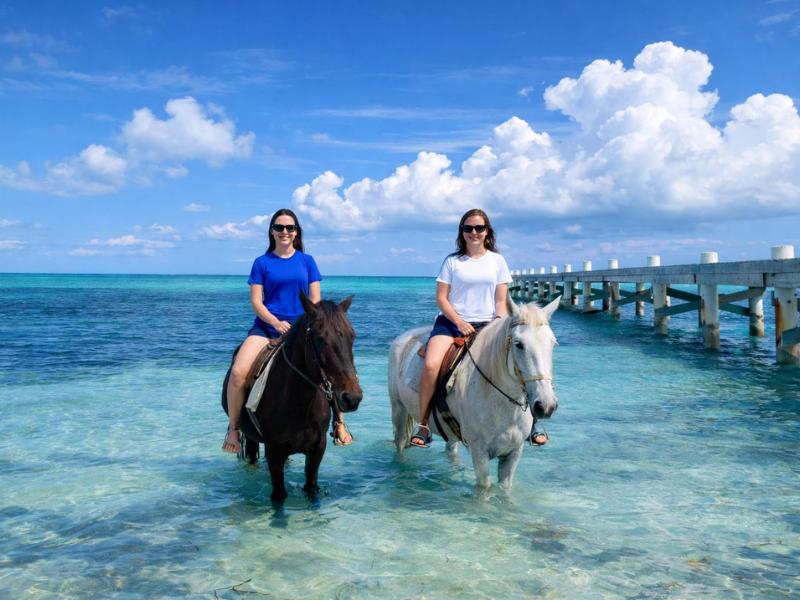
The most common timing mistake in Turks and Caicos is booking December or early January expecting perfect conditions because it’s high season. The second most common mistake is avoiding November entirely because it’s outside peak season. Both come from following the pricing signal rather than the actual weather and experience data.
The December wind issue is the one we see consistently across traveler forums, guest feedback, and the pattern of people who come back and immediately rebook a different month. December is marketed as peak season. It is priced as peak season. But the northern fronts that push cold air south from the continental United States start arriving in November and intensify through December and into January. When one of these fronts hits, the trade wind shifts from east-southeast to north or northwest, the seas go rough, and boat excursions cancel for a day or two. In a good December, this happens once or twice all month. In a bad December, it can happen every week.
The people who end up most frustrated are those who paid $1,000 or more per night for a Grace Bay beachfront room and spent three days watching choppy water from a beach chair they couldn’t sit in comfortably because of the wind-blown sand. This is not the norm, but it happens enough that it’s worth knowing before you book.
The second mistake is writing off November because the price and the word “shoulder season” suggest something substandard. November TCI is not substandard. The reef is healthy, the beaches are quiet, the ocean is warm, the restaurants are unhurried, and the accommodation rate is often 40 percent below what the same room costs in February. The Conch Festival is one of the most authentic local events on the island. The Caribbean Food and Wine Festival brings better chefs to the Grace Bay restaurants than most of the rest of the year. The travelers who know TCI well tend to cluster in November. There’s a reason for that.
The third common mistake is conflating “hurricane season” with “hurricane.” The official season runs June 1 through November 30. That does not mean six months of storms. It means that during a 182-day window, the statistical probability of a storm existing somewhere in the Atlantic that could potentially affect TCI is elevated. In most years, the island sees the hurricane season come and go without a direct impact. June, July, and early August are inside hurricane season and carry very little actual hurricane risk. The honest risk window is mid-August through mid-September, and avoiding those four to five weeks sidesteps the majority of the statistical exposure while still allowing significant low-season savings in the surrounding months.
Still on the fence about booking? This guide on whether Turks and Caicos is worth visiting gives you a clear answer based on travel style, budget, and what the island does better than anywhere else.
What Our 16,800 Travelers Tell Us About Timing
| Said February or March was the best month they visited | 76% | Whale season and settled conditions most cited reasons |
| Said November exceeded their weather expectations | 81% | Most had expected lower quality than peak season; most were pleasantly surprised |
| December visitors who had excursions cancelled due to wind or rough seas | 42% | Most common single-trip disruption we track; not the norm but more common than marketing suggests |
| Said they would return in a different month than their first visit | 58% | Most common shift: from December to February, or from peak season to November |
| Saw humpback whales on a January-April visit | 67% | February sightings most consistent; in-water encounters available but not guaranteed |
| Wished they had visited during whale season | 69% | Among those who visited outside Jan-Apr and learned about the whales during the trip |
Frequently Asked Questions
What month has the best weather in Turks and Caicos?
February consistently delivers the best combination of settled seas, low wind, minimal rain, and clear skies. March is a close second and is particularly strong in the first two weeks before spring break crowds arrive. Both months also fall within the humpback whale season.
Is December a good time to visit Turks and Caicos?
It can be, but it comes with more weather variability than most travelers expect given the high-season pricing. Northern fronts pushing down from the United States can bring windy, choppy conditions for two or three days at a time in December. Some December visits are perfect. Others see rough water during expensive resort nights. February and March are more reliable for comparable prices.
What is the rainy season in Turks and Caicos?
The rainy season runs roughly May through November, with September and October seeing the most rain days on average. Even at its wettest, TCI receives far less rainfall than most Caribbean destinations. Rain typically arrives in brief afternoon bursts that clear within minutes, and most weeks in the rainy season still offer the majority of days with clear, sunny conditions.
When should you avoid visiting Turks and Caicos?
Mid-August through mid-September is the one window we most consistently advise against for travelers without schedule flexibility, as this is the peak statistical window for hurricane activity in the Atlantic. Beyond that, there’s no month that should be completely avoided; every month has its tradeoffs.
When is the cheapest time to visit Turks and Caicos?
September and early October have the lowest absolute accommodation rates, often 40 to 50 percent below peak season pricing. For travelers who want low prices without accepting the highest hurricane risk, November is the best value month, with rates running 30 to 40 percent below the March peak and good conditions on the water.
Can you see humpback whales in Turks and Caicos?
Yes. Humpback whales migrate through TCI waters from late December through April, with the peak window being January through mid-March. Salt Cay and Grand Turk offer the best viewing because of their proximity to the Turks Island Passage, where the underwater topography funnels whales close to shore. In-water encounters with humpbacks are possible under regulated conditions through licensed operators. Sightings are frequent but not guaranteed on any specific trip.
If your dates are already taking shape, check the Grace Bay catamaran sail and snorkel for that window so a water day is sorted before the rest of the trip fills in.
Written by Baran Ellis
British tour guide since 2012 · Founder, Turks and Caicos Tours
Baran has guided over 16,800 travelers across Providenciales, Grand Turk, and the Caicos cays since founding the agency