Turks And Caicos On A Budget
Turks and Caicos can be expensive, but with free beaches, excellent shore snorkeling, and a few smart choices, it's possible to enjoy the best of the islands without overspending.
Use the section recommendations to match an outing to your trip, then compare dates and trip details at the end.
Last updated: July 4, 2026
Turks and Caicos is genuinely expensive. Accommodation is the biggest line item, and restaurants add a mandatory 22% in taxes and service charges on top of already high menu prices. But the best thing here, the water, is free. Bight Reef and Smith’s Reef are world-class snorkel sites you can walk into off the beach. The Thursday Night Fish Fry costs nothing to attend. Every beach is free by law. Smart timing, a kitchen-equipped rental, and one well-chosen excursion instead of five mediocre ones can deliver the full TCI experience at a fraction of the resort-package price.
Quick Facts: What Things Actually Cost In Turks And Caicos
| Grace Bay beachfront resort (per night) | $350-$600+ peak; $150-$300 low season | Book Sep-Nov or May; contact resort directly |
| Vacation rental / Airbnb (per night) | $100–$220 inland; lower split between couples | Choose kitchen-equipped; saves $50-$80/day on food |
| Rental car (per day) | From ~$50/day economy (2025 price) | Pick up at airport; avoids $30-$50 taxi each way |
| Grace Bay restaurant dinner (2 people) | $100-$200 after 22% tax + service | Blue Hills / Five Cays local spots: half the price |
| Fish Fry meal (Thursday, Stubbs Diamond Plaza) | $15-$25 per dish; free admission | Bring cash; card not accepted at most stalls |
| Snorkeling at Bight Reef / Smith’s Reef | Free (walk in off beach) | Bring your own gear; rental adds $25-$40/day |
| Half-day snorkel boat charter (per person) | $70-$110 shared group | One well-chosen charter beats three mediocre ones |
| Government tourism tax + service charge | 22% added to all resort/restaurant bills | Budget this on every quoted price before committing |
| All beaches (entry) | Free by law | Public access points at every beach; no beach charges |
| Airfare from US East Coast (round trip) | $250-$350 before taxes | JetBlue, American, Delta all fly direct from major hubs |
Prices verified June 29, 2026. Sources: visittci.com vacation price guide, Grace Bay Car Rentals 2025 rates, TCI government tax schedule.
Keep the free beaches and shore snorkeling, then compare one paid water outing that adds barrier-reef access or a different view of Providenciales.
Your Turks And Caicos Plan
- Add taxes, lodging, transport, food, and one outing into a single trip total before booking.
- Use Bight Reef and Smith's Reef for free shore snorkeling, then reserve one strong paid water day.
- Check that outing on your actual travel date before arranging rooms, meals, and the rest of the week.
Is Turks And Caicos Actually Doable On A Budget?
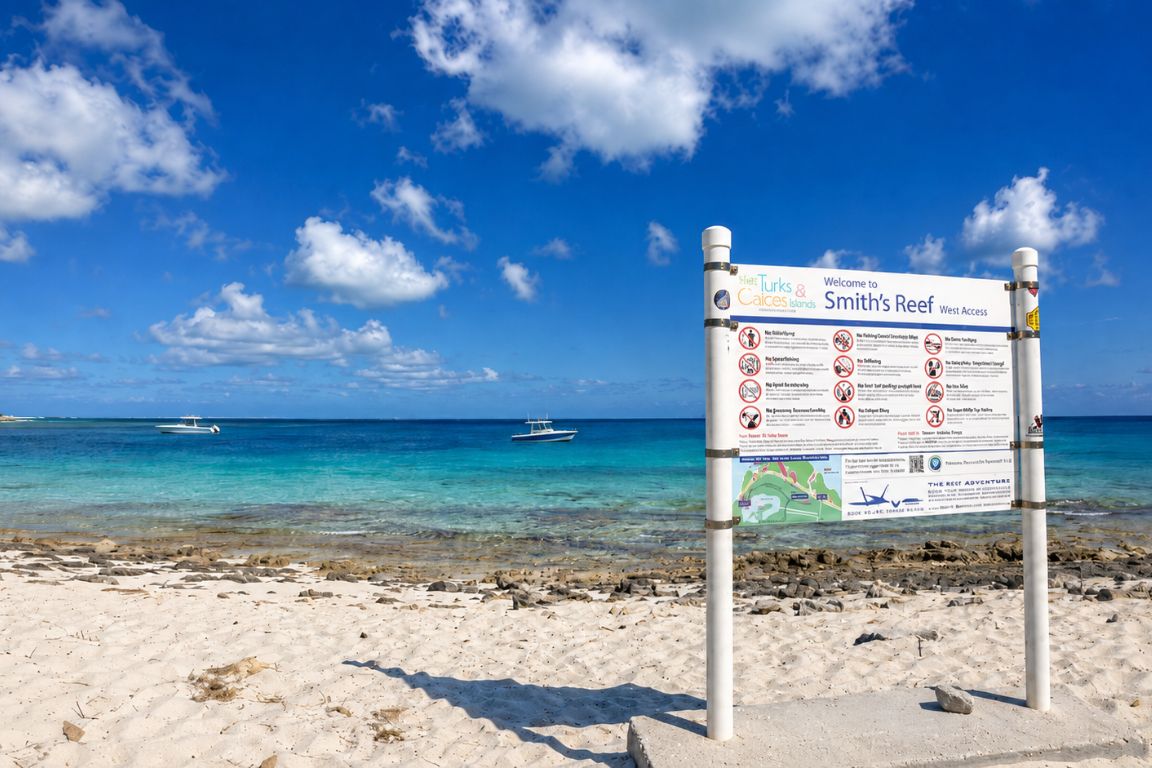 Yes, but with clear eyes. TCI is one of the most expensive Caribbean destinations by daily cost. Accommodation is genuinely pricey, restaurants add a mandatory 22% on top of already high menu prices, and nearly everything is imported. What makes a budget trip viable is that the destination’s best feature costs nothing. Every beach is free by law. Bight Reef and Smith’s Reef are world-class snorkel sites accessible by walking off the sand. A smart traveler who chooses a kitchen-equipped rental, visits in low season, and picks one strong excursion over several weak ones can experience everything TCI is famous for without resort-level spending.
The honest framing is this: you can’t turn Turks and Caicos into a budget destination by pretending the costs aren’t real. What you can do is decide where the money goes. A couple splitting a well-located Airbnb at $220 per night is paying $110 each, which is the same as a mid-range hotel in many Caribbean cities. Add a rental car at $50 per day split two ways, groceries for most meals, and one private boat charter for the reef, and a week-long trip comes in well under what a five-night resort package would cost. The reef is the same reef. The beaches are the same beaches.
The 22% tax hit is the thing most budget travelers underestimate until they see the bill. The government applies a 12% tourism tax plus a 10% service charge to resort accommodation and most restaurant meals. On a $60 dinner for two, that’s an extra $13.20 before any gratuity. On a $300-per-night room, it’s an extra $66 per night. Run that math across every quoted price you see and build the real number into your planning, not the headline number.
Not sure if it lives up to the price tag? This breakdown on whether Turks and Caicos is worth visiting covers what you actually get for the money and who it’s really built for.
When Should Budget Travelers Visit To Get The Best Rates?

May through early June and November are the two best value windows. Conditions are close to peak quality, hurricane risk is either minimal or passed, and accommodation rates drop 20-40% from winter highs. September and October offer the deepest discounts of the year, with some resorts running 43% below March peak rates, but those months carry the highest hurricane risk and some restaurant closures. For a budget traveler with flexible dates and Cancel for Any Reason insurance, late September is the single best price-per-experience window. For those who need reliability, May is the pick.
The math on timing is significant. KAYAK hotel data shows September averages 43% below March across the islands. That’s the difference between a $400-per-night room and a $228 room in the same property. On a seven-night stay for two people, the saving funds a private boat charter, several days of grocery meals, a rental car, and still leaves money over. Timing is the highest-leverage budget decision available and costs nothing to execute.
May gets overlooked because it sits in a vague “shoulder season” category. In practice, May in Turks and Caicos means the whales have just left, humidity hasn’t peaked, the reefs are full of juvenile fish and active parrotfish mating behavior that winter visitors don’t see, and resorts are actively competing for guests. Several Grace Bay properties offer 20% discounts for May bookings. The weather is excellent. The beach is quieter. For a couple who can travel outside school holidays, it’s close to the ideal window.
Not sure when to go or what each season actually feels like on the island? This breakdown on the best time to visit Turks and Caicos tours covers weather, crowds, and pricing month by month.
How Do You Find Affordable Accommodation Without Sacrificing Location?
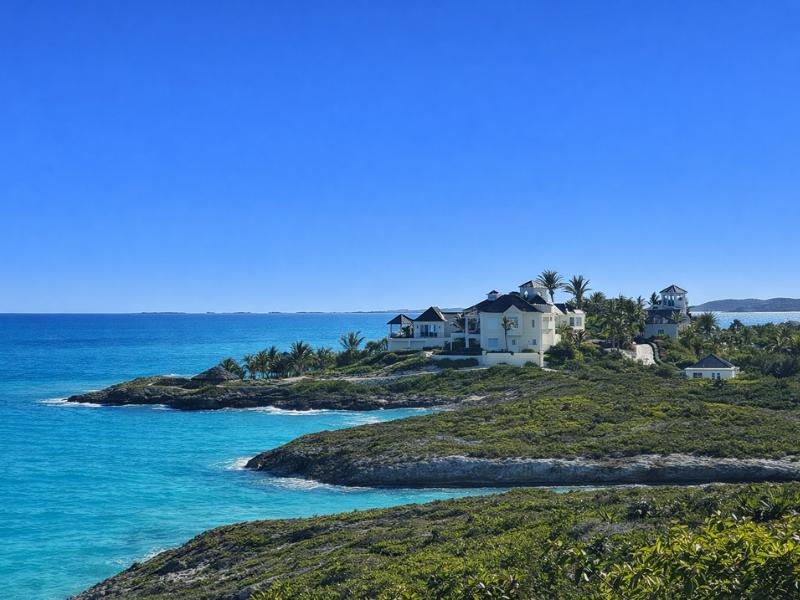
Three approaches work. First, book an inland or slightly off-beach rental with kitchen access, ideally within walking distance of Grace Bay. A $220-per-night Airbnb split between two costs $110 each, close to what a basic Caribbean hotel room costs elsewhere. Second, contact Grace Bay resorts directly for shoulder-season deals rather than booking through OTAs, which rarely surface unpublished discounts. Third, for groups of three or four, split a multi-bedroom villa in Leeward or The Bight, where the per-person nightly cost drops below $100 with full kitchen access and private pool.
Kitchen access is the multiplier that justifies the accommodation spend. A vacation rental with a kitchen saves $50-$80 per day on food for a couple who uses it for breakfast and lunch. That’s $350-$560 over a week, which is enough to fund a quality excursion. Graceway IGA on Leeward Highway and Graceway Gourmet near Grace Bay carry everything you need, at prices that are 25-30% higher than US supermarkets but dramatically less expensive than Grace Bay restaurant prices for every meal.
The location decision matters in one specific way: if your accommodation doesn’t have the beach within walking distance, you need a rental car. That adds $50 per day minimum. A slightly cheaper room 15 minutes from Grace Bay with a daily rental car often ends up costing more than a more expensive room within walking distance of everything. Run the full numbers before booking anything remote on the basis of a lower headline rate.
How Do You Eat Well In Turks And Caicos Without Spending A Fortune?
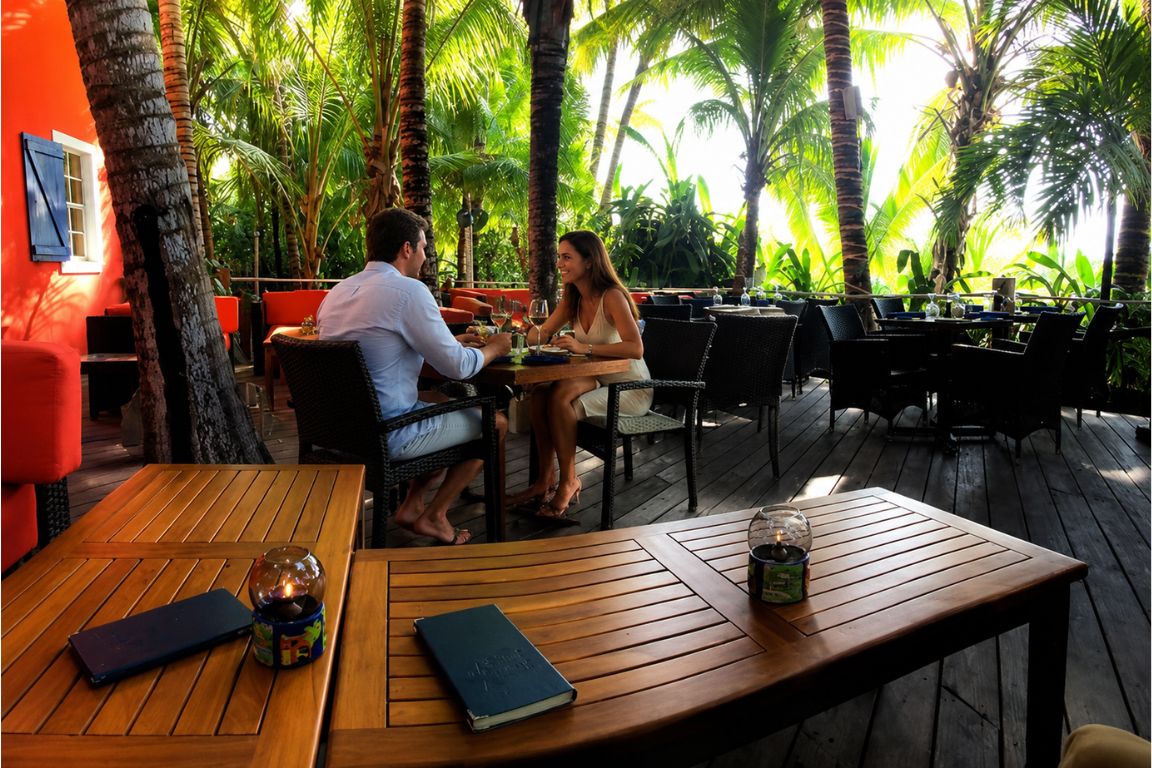 Three moves. Cook most breakfasts and lunches from a grocery-stocked kitchen. Eat dinner at local spots in Blue Hills and Five Cays rather than Grace Bay resort-strip restaurants. And go to the Thursday Night Fish Fry at Stubbs Diamond Plaza in The Bight, which is free to enter and sells local cracked conch, peas and rice, grilled fish, and fresh lobster for $15-$25 per dish. Grace Bay restaurants are excellent but average $100-$200 for two people after the 22% tax hit. A plate at the Fish Fry costs the same as one appetizer at a Grace Bay beachfront restaurant.
The Blue Hills and Five Cays neighbourhoods on Providenciales are where locals actually eat. These aren’t tourist operations. Grouper served steamed with peas and rice and coleslaw, conch stew, fresh-caught snapper, lobster in season: the food is better and more authentic, and the bill is typically half what you’d pay on Grace Bay Road. A rental car is needed to reach these neighbourhoods, which is another reason having one changes the trip economically.
The Fish Fry runs every Thursday from around 5:30pm at Stubbs Diamond Plaza in The Bight, a five-minute drive from most Grace Bay resorts. Free entry, live music, local craft vendors, and a dozen food stalls. The visittci.com guide puts conch salad at $20-$25 per dish (2025 prices). That’s the real local food experience, not a tourist recreation of it. One Fish Fry night replaces a $150 Grace Bay dinner and gives you something a resort meal never will: a table surrounded by people who actually live here. Bring cash. Most vendors don’t take cards.
Groceries deserve a pre-trip strategy. Import duties push prices 25-30% above US supermarket costs. Bring non-perishables in checked luggage: coffee, protein bars, pasta, condiments, cooking oil. These are the items with the highest markups on-island. Your first Graceway IGA run covers fresh produce, proteins, and local staples, and the bill is manageable.
Which Activities And Excursions Are Worth The Money (and Which Can You Skip)?
 One well-chosen half-day boat charter to the barrier reef, around $70-$110 per person on a shared group trip, is worth every dollar and should be non-negotiable. It reaches reef that simply cannot be accessed from shore on Provo. Everything else can be built around free and low-cost alternatives: shore snorkeling at Bight Reef and Smith’s Reef, free beach days at Taylor Bay, sunset walks, the Fish Fry. Skip the resort-booked versions of tours and book directly with operators. The markup on resort-intermediated excursions is consistent and avoidable.
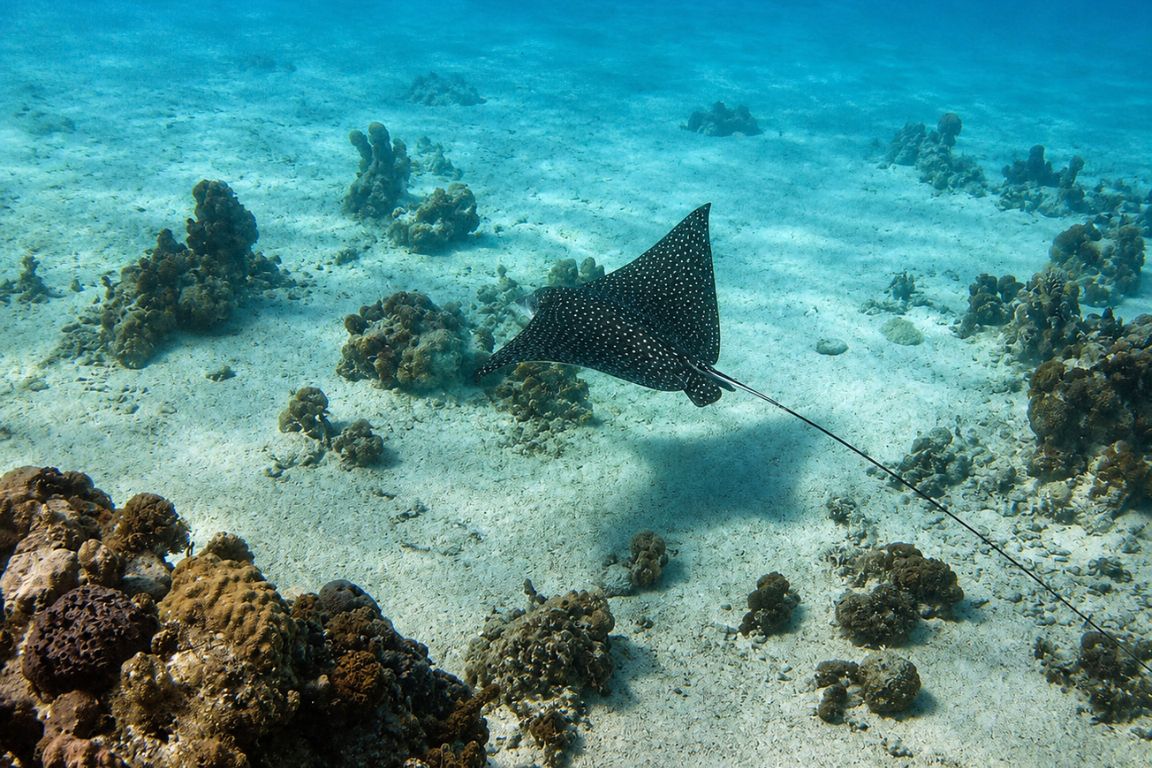
The shore snorkeling case is worth making clearly. Bight Reef and Smith’s Reef are genuinely excellent. These are DECR-protected reef systems that start just off the beach, accessible to anyone with a mask and fins. Sea turtles, parrotfish, stingrays, reef sharks: none of these require a boat. Bring your own gear and you’ll spend nothing on what other travelers pay $90+ per person for on a shared snorkel tour. The only thing a tour adds is access to the outer barrier reef and the outer cays, which is real and worth it once, but not necessary every day.
The one excursion to genuinely budget for is a reef charter. The outer barrier reef drops thousands of feet and hosts a completely different scale of marine life than the shore reefs. Spotted eagle rays, nurse sharks aggregating in summer, the sheer scale of the reef wall: you need a boat to see this. Book directly with an operator, not through your resort, and choose a small-group shared departure. The experience is the same or better at half the resort-intermediated price.
Free activities that genuinely deliver: watching the kiteboarding at Long Bay Beach on a windy day is something most travelers don’t know about and costs nothing. Chalk Sound National Park, the electric-blue landlocked lagoon on the south side of Provo, requires only a rental car and a viewpoint stop. Potcake Place animal rescue in Grace Bay offers free beach walks with rescue dogs that have become one of TCI’s most unexpected memorable experiences. The Turks and Caicos National Museum in Providenciales charges $5 admission.
We've been running reef excursions for 16,800+ travelers. Compare the Grace Bay snorkeling half-day group tour if you want one shared reef trip instead of several paid activities.
First time in Turks and Caicos and not sure where to start? Our guide on the best things to do in Providenciales walks you through the must-dos and a few experiences most visitors never find.
How Do You Get Around Without Burning Through Cash?
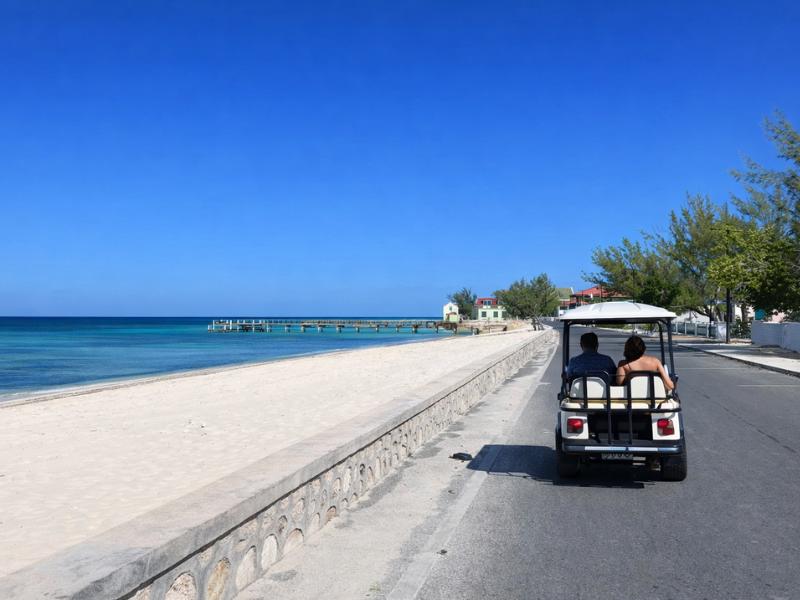
Rent a car from the airport on arrival. Licensed taxis charge per person and have no app or meter, making them expensive for anything beyond a single airport transfer. There is no public transport, no Uber, no Lyft anywhere in TCI. An economy car from Grace Bay Car Rentals or Avis starts at around $50 per day. Pick up at the airport and drop off at the airport to avoid paying for separate transfers. Split between two people, it’s $25 per day, which is less than one taxi ride to a restaurant.
The driving situation has one honest complication: traffic drives on the left, there are no traffic lights anywhere on Provo (only roundabouts), and some local drivers are genuinely reckless. This is real and worth acknowledging. Most visitors adapt within a day. The practical response is to drive during daylight hours, give generous following distances, and stay off Leeward Highway after dark. The car pays for itself many times over in avoided taxi fares and the freedom to reach local restaurants, south-coast beaches, and the Fish Fry without coordination costs.
One specific saving on transport: pick up the rental car at the airport on arrival rather than taking a taxi to your accommodation and then arranging a separate car delivery. The taxi from Providenciales International Airport to central Grace Bay runs $30-$50 for two people. That single trip covers most of the first day’s car rental cost.
What Free And Low-Cost Things Are There To Do?
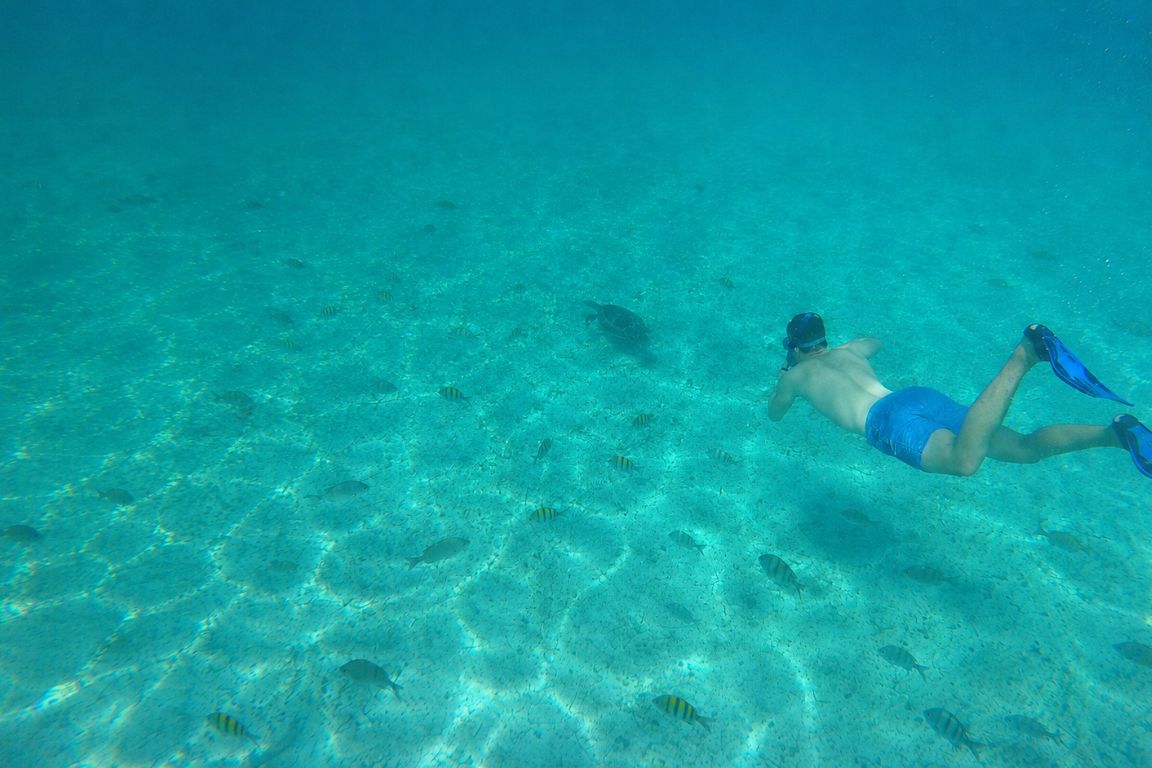 More than most luxury-destination guides admit. Every beach in TCI is free by law, with public access points at all major beaches. Shore snorkeling at Bight Reef and Smith’s Reef is free with your own gear. Chalk Sound National Park costs nothing to visit. Potcake Place beach dog walks are free. Watching the kiteboarders at Long Bay is free. The Thursday Fish Fry has no admission. Sunset from any west-facing beach costs nothing. The National Museum charges $5. The framework of an excellent Turks and Caicos trip is almost entirely free; the money goes into accommodation, transport, food, and one reef charter.
Bight Reef deserves specific mention because it surprises people who expect the best snorkeling to require a boat. The reef starts metres off the sand at the east end of Grace Bay. Sea turtles are a common sighting before 9am when the reef is quiet. Parrotfish work the coral in full view. The water is clear enough that visibility is rarely an issue. A $25 mask-and-fins rental from any Grace Bay dive shop and you’re in, or bring gear from home for free every day.
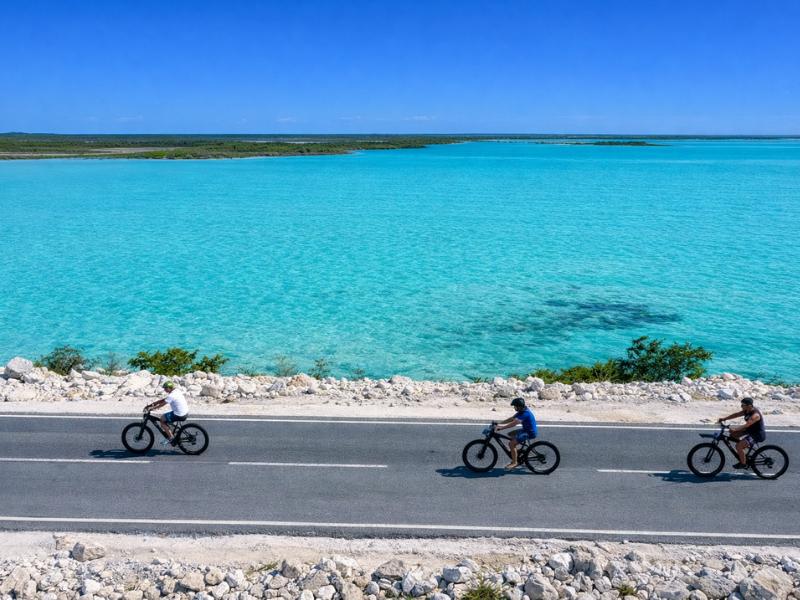
Chalk Sound on the south side of Provo is the most visually arresting landscape on the island that doesn’t require getting in the water. The landlocked lagoon is electric turquoise, dotted with small limestone cays, and surrounded by low scrub. There’s a pullout viewpoint above it that functions as a natural photograph. Many visitors drive past without stopping because nobody told them it was there. It’s fifteen minutes from Grace Bay with a rental car and costs nothing.
Not sure which snorkeling tour is actually worth booking versus which ones are just glorified beach trips? This breakdown on the best snorkeling tours in Turks and Caicos cuts through the options and tells you what’s in the water.
How Our Travelers Build Their Budget: Patterns From 16,800+ Trips
| Couple, value-focused | Airbnb / inland rental with kitchen | 1 reef charter; free shore snorkel daily | 22% tax on restaurant meals |
| Group of 4, splitting costs | 2-bed villa in Leeward or The Bight | Private half-day charter split 4 ways | Grocery prices 25-30% above US |
| Solo traveler | Boutique guesthouse or shared Airbnb | Shared group snorkel tour | Taxis without a car add up fast |
| Family, smart spending | Suite with kitchen at mid-tier resort | 1 full-day private charter; Fish Fry; free beaches | Reef-safe sunscreen at 2-3x home price |
Based on post-trip survey data from Turks and Caicos Tours. From our 16,800+ travelers guided since 2012.
What Does A Realistic Budget Trip To Turks And Caicos Actually Cost?
For a couple over seven nights, a genuinely smart-spending trip including accommodation, rental car, groceries for most meals, two restaurant dinners, and one reef charter runs approximately $3,000-$4,500 all-in excluding flights. Flights from the US East Coast add $500-$700 for two. That’s a total of $3,500-$5,200 for two people for a week, roughly half the cost of a mid-tier all-inclusive resort package for the same duration. The experience level is comparable for everything the destination is actually famous for: the reef, the beaches, the water.
Here’s the breakdown. Accommodation in a well-located Airbnb or budget-adjacent rental: $120-$200 per night over seven nights is $840-$1,400. Rental car at $50 per day for seven days: $350. Groceries and self-catered breakfasts and lunches for two: roughly $400-$500 for the week. Two dinners at mid-range local restaurants in Blue Hills plus a couple of Grace Bay lunches: $200-$300 after the 22% tax. One shared group reef charter at $90 per person: $180. The Thursday Fish Fry: $60 in food and drinks. Miscellaneous and free activities: $0-$100. Total: approximately $2,030-$2,890 per couple, plus flights.
That leaves meaningful budget for the one upgrade that changes a good trip into a great one. A private half-day charter rather than a shared group tour runs $400-$600 for two, but means a guide pacing the reef to your preferences, a captain who chooses the sites based on conditions that day, and no strangers surfacing next to you at the eagle ray drop. Applied to that budget, it still comes in below $3,500 for two. That’s the argument for smart spending over cutting costs: direct the money toward the single experience that defines the destination, and be disciplined everywhere else.
Trying to figure out if TCI fits your budget or if you’re better off somewhere else? Here’s Turks and Caicos travel costs explained so you can make that call before you commit.
Frequently Asked Questions
Is Turks and Caicos worth it on a budget?
Yes, if you frame it correctly. The destination’s core experience, the reef, the beaches, the water quality, is largely free or low-cost when accessed directly. The expensive version of TCI is the all-inclusive resort package. The smart-spending version, kitchen-equipped rental, rental car, groceries, and one strong excursion, delivers the same reef and the same beaches at roughly half the cost.
What is the cheapest time to visit Turks and Caicos?
September and October offer the lowest rates, with KAYAK data showing September averages 43% below March peak. November and May offer the best value with minimal weather risk. All three periods beat peak winter rates by 20-40% with near-comparable conditions. For the deepest discounts with manageable risk, book late October or early November with Cancel for Any Reason travel insurance.
Are there free snorkeling spots in Turks and Caicos?
Yes. Bight Reef and Smith’s Reef on Providenciales are both accessible directly from the beach at no cost. They sit within the Princess Alexandra National Park and host sea turtles, parrotfish, stingrays, reef sharks, and hundreds of reef fish species. Bring your own gear to avoid daily rental fees. These are genuinely excellent sites, not consolation-prize alternatives to the outer reef.
What is the Thursday Night Fish Fry in Turks and Caicos?
A weekly open-air market at Stubbs Diamond Plaza in The Bight, running every Thursday from approximately 5:30pm. Free entry, live music, and local food vendors selling cracked conch, grilled fish, peas and rice, fresh lobster, and island drinks. Dishes run $15-$25. Bring cash, as most vendors don’t accept cards. It’s one of the few authentic local cultural experiences in Providenciales and serves some of the best-value food on the island.
Do I need a rental car in Turks and Caicos?
For budget travelers, yes. There is no public transport, no Uber, and no Lyft. Licensed taxis charge per person and are expensive for repeat use. An economy car starts at around $50 per day. Split between two people and used to reach local restaurants, free beaches, and excursion pickup points, it saves more money than it costs by day two. Pick up at the airport on arrival to avoid a separate taxi transfer fee.
Not sure which charter or excursion gives you the most for your budget? The Grace Bay snorkeling half-day is the shared option that fits the one-excursion plan in this guide. Browse other boat tours if you want to compare formats before you spend.
Written by Baran Ellis
British tour guide since 2012 · Founder, Turks and Caicos Tours
Baran has guided over 16,800 travelers across Providenciales, Grand Turk, and the Caicos cays since founding the agency.