Turks And Caicos For Seniors
Turks and Caicos is an excellent destination for seniors, offering calm beaches, gentle water activities, and a relaxed pace, with a few practical accessibility considerations to plan for.
Use the section recommendations to match an outing to your trip, then compare dates and trip details at the end.
Last updated: July 4, 2026
Turks and Caicos works exceptionally well for older travelers, primarily because the water conditions are so forgiving and the pace is naturally slow. Grace Bay is calm, reef-protected, and flat underfoot. The semi-submarine Undersea Explorer lets seniors experience the reef in air-conditioned comfort without snorkeling. Accessible resorts exist but accessibility outside resort grounds is limited, with no public transport, reckless drivers on the roads, and no beach wheelchair mats. Medical care on Providenciales is solid for emergencies, but complex care requires medevac to Miami. Travel insurance with medical evacuation coverage is not optional for seniors here.
Quick Facts: Senior Travel In Turks And Caicos
| Best base island | Providenciales; central Grace Bay for minimal driving |
| Beach wheelchair rental | Island Access (Provo); Beaches Resort (guests only); reserve well in advance |
| Beach wheelchair mats | None on any beach in TCI |
| Primary hospital | Cheshire Hall Medical Centre, Providenciales (20 beds, CT/MRI, 30+ doctors, Canadian-managed) |
| Emergency number | 911 |
| Complex care / specialist surgery | Requires medevac to Miami or Nassau; avg. cost ~$50,000 |
| Dialysis | Available on Provo and Grand Turk, but NOT available to tourists or non-residents |
| Public transport | None; rental car strongly recommended |
| Driving side | Left (British); no traffic lights; roundabouts throughout |
| Best activity for limited mobility | Semi-submarine Undersea Explorer (air-conditioned, stable, no water entry) |
| Humpback whale watching | January-April; boat-based, no water entry required |
| Travel insurance with medevac | Strongly recommended for all seniors visiting TCI |
Prices and regulations verified June 29, 2026. Sources: visittci.com, Turks and Caicos Islands Hospital (tcihospital.tc), DECR.
Choose one well-paced Providenciales outing first, then build beach time, transport, and rest around its confirmed date and boarding point.
Your Turks And Caicos Plan
- Base yourself in central Grace Bay if you want the beach, dining, and clinics within a short, flat walk.
- The 75-minute clear-boat tour is the shortest recommended reef outing and does not require snorkeling.
- Confirm boarding, medical restrictions, transport, and your actual travel date before arranging the rest of the trip.
Is Turks And Caicos A Good Destination For Seniors?
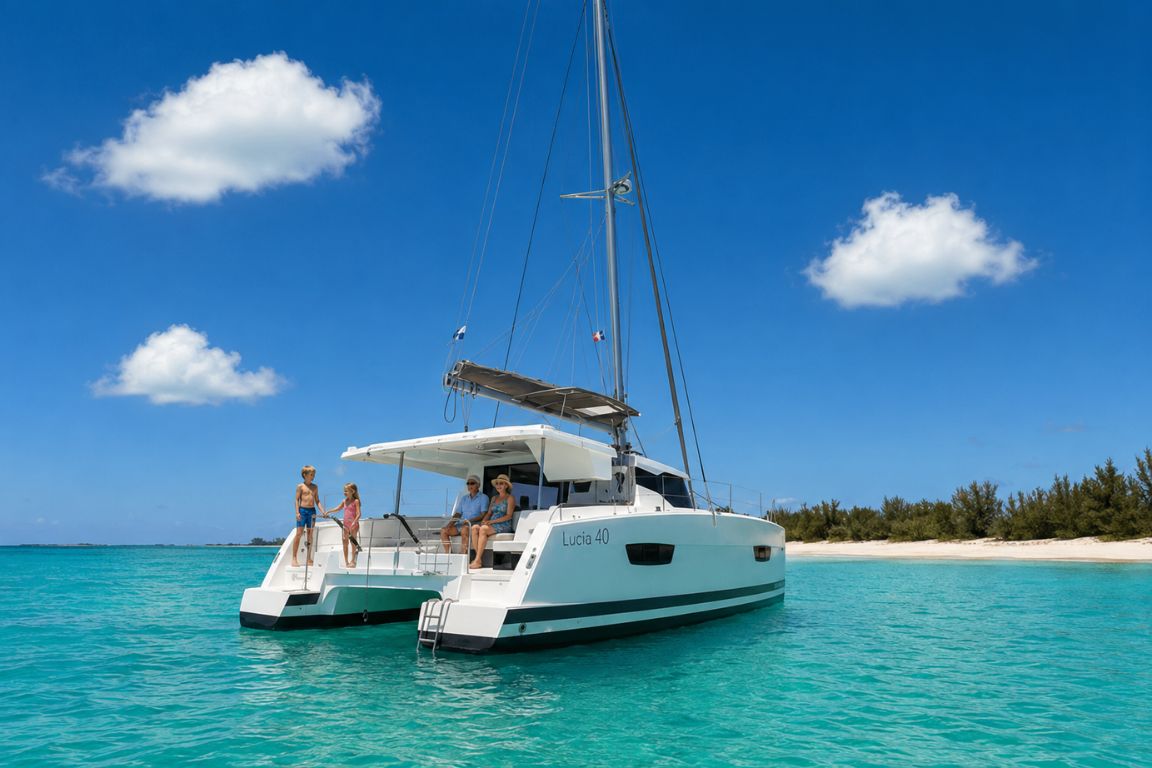 Yes, with clear eyes about what the destination offers and what it doesn’t. The ocean conditions, the pace, the food, the lack of crowds outside peak season, and the short flight from the US East Coast all work strongly in seniors’ favor. What works against seniors is limited accessibility infrastructure outside resort grounds, aggressive and reckless local drivers that make road navigation stressful, no public transport, and medical care that handles most emergencies well but routes complex cases to Miami. Plan around the gaps and the trip delivers.
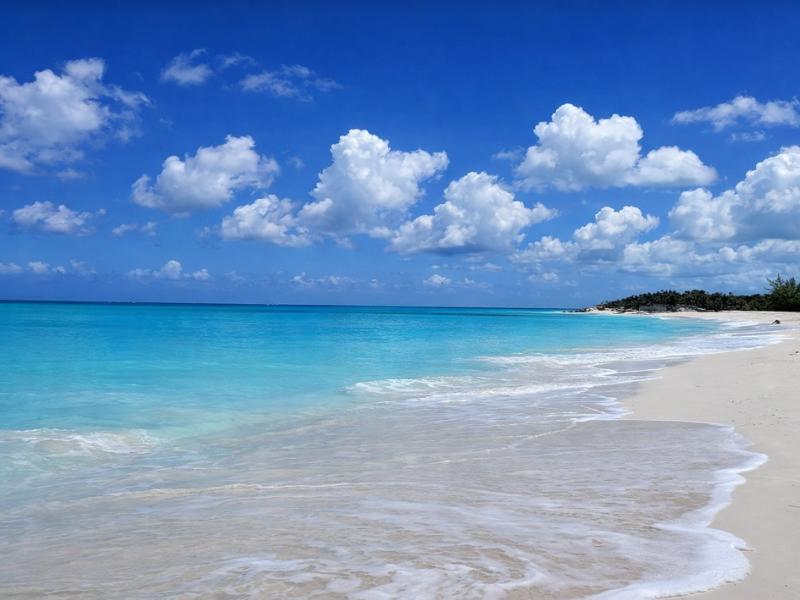
Walk onto Grace Bay at 8am and you’ll understand the appeal immediately. The water is glassy and warm. The sand is as soft as anything in the Caribbean. Nothing is fighting for your attention. No vendors, no wave runners cutting through the swim zone, no loud music from beach bars. The reef absorbs the Atlantic swell a mile offshore and what reaches you is almost still. If you’ve spent your career managing noise and motion, the quality of quiet here registers immediately.
The destination suits a particular travel style: slow mornings, long stretches of beach time, excellent dining, a few meaningful excursions rather than a packed schedule, and a return flight under four hours from most of the US Northeast. Seniors who want constant organized activities, theatrical resort entertainment, or a walkable city to explore outside the resort zone will find TCI short on those things. Seniors who want genuinely beautiful water, solid food, and a pace that lets the body recover from a flight in a day are in the right place.
The honest caveat is mobility. The beaches themselves are accessible in the sense that they are flat and soft, but reaching the water from a wheelchair requires a beach wheelchair with oversized tires, which exist on the island but must be reserved far in advance. Beyond the resort, the road situation demands attention: no traffic lights, roundabouts everywhere, driving on the left, and local drivers who run reckless at a rate that surprises most North Americans. Seniors who are not confident road drivers should plan their trip around resorts within the central Grace Bay area, where the beach, restaurants, and most services are walkable.
We’ve got a full breakdown on whether Turks and Caicos is worth visiting if you want a straight answer on beaches, crowds, costs, and what makes it different from other Caribbean stops.
Which Beaches Are The Most Accessible And Comfortable For Older Travelers?
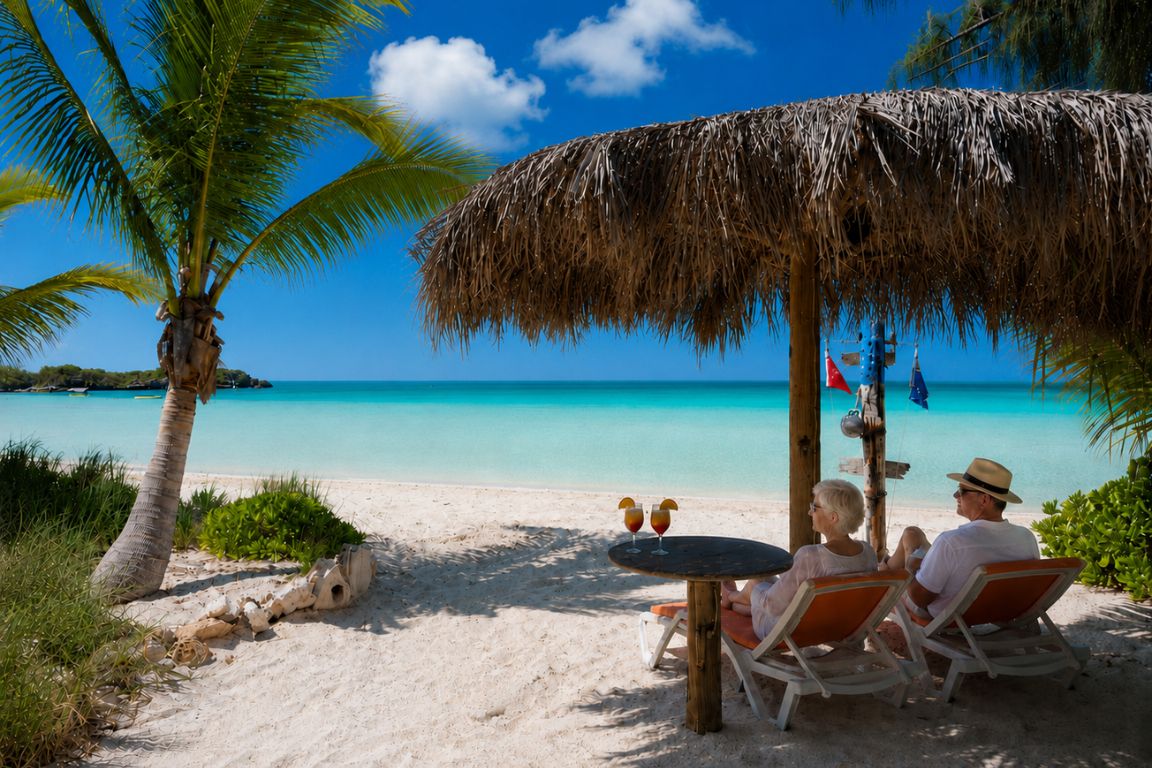 Grace Bay is the most accessible beach in Turks and Caicos for seniors. It has the highest number of beach access points and parking, the flattest approach to the water, the most services nearby, and the calmest conditions of any major beach on the north coast. For seniors with limited mobility, the south coast bays, particularly Sapodilla Bay and Taylor Bay, offer even calmer water but require a rental car and have fewer amenities. There are no wheelchair mats on any beach in TCI. A beach wheelchair is the practical solution for mobility-impaired travelers, but must be reserved well ahead of the trip.
Grace Bay’s best access points for those with limited mobility are the paths near Royal West Indies Resort and Point Grace, which offer the most direct, even approach to the sand. The Saltmills Plaza and Regent Village shopping areas both have step-free access, and most shops sit at ground level. Within the central Grace Bay corridor, a senior who is comfortable walking short distances can reach the beach, nearby restaurants, and basic services entirely on foot from a mid-beach resort.
The south coast bays deserve a mention for a different reason. Sapodilla Bay has an almost pool-like quality to the water: shallow, sheltered, warm, and essentially wave-free. For a senior who finds Grace Bay’s gentle surf uncomfortable when entering the water, Sapodilla Bay removes that entirely. The same goes for Taylor Bay, which is shallower still. Neither has the infrastructure of Grace Bay, so seniors who need accessible restrooms or regular seating nearby will be better served staying on the north coast and making a day trip south rather than basing there.
One practical note that matters specifically for older travelers: the sand at Grace Bay is fine-grained and soft. Walking long distances on soft sand requires more energy and ankle stability than walking on hard surfaces. Bring or pack supportive water shoes rather than flip flops for extended beach walks, and plan rest stops. The beach chairs at most resorts are low and can be difficult to rise from without a surface to push against. Ask your resort about higher seating options if this matters to your group.
Still comparing the two before you book your accommodation? This guide on Grace Bay vs Long Bay Beach gives you a clear answer in a few minutes.
| Grace Bay (central) | Best overall: calm, flat access, walkable to everything | No beach mats; beach wheelchair via Island Access or resort | Restaurants, pharmacies, Grace Bay Medical within steps |
| Sapodilla Bay | Almost waveless; very warm water; peaceful | No mats; moderate walk from parking to water | Beach vendors, chairs; 15 min drive from Grace Bay |
| Taylor Bay | Most sheltered; waist-deep for 1/4 mile; exceptional calm | Narrow road; no amenities; bring everything | None on beach; nearest services 15-20 min drive |
| Leeward Beach | Quiet extension of Grace Bay; residential feel | Good beach access paths; limited parking at some points | 5-10 min drive to Grace Bay dining and services |
Accessibility data verified June 29, 2026. Source: visittci.com disabled travel accessibility guide.
What Activities Are Genuinely Suited To Seniors (and Which Aren’t)?
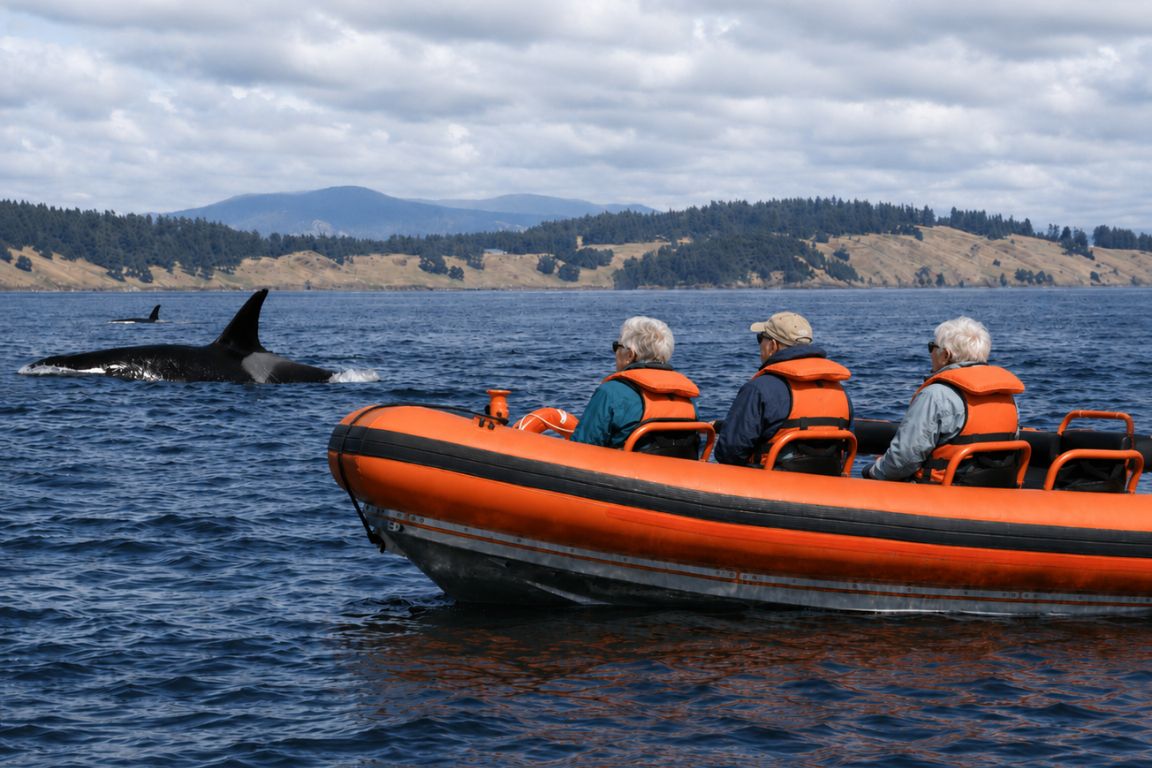 The activities that work best for seniors are the ones that don’t require physical exertion as the entry fee to a memorable experience. The semi-submarine Undersea Explorer runs reef tours in air-conditioned comfort five feet below the surface, no snorkeling or swimming required. Clear boat tours cover mangrove channels and marine life from a stable, shaded vessel. Whale watching from January to April puts you on a boat watching 40-ton humpbacks surface nearby without entering the water. Sunset cruises, golf at Provo Golf and Country Club, and guided boat charters to the outer cays all work well. Vigorous hikes, kiteboarding, and open-water dives do not.
The semi-submarine is the most consistently loved activity among the older travelers we guide. Caicos Tours runs the Undersea Explorer from Turtle Cove Marina, a five-minute drive from central Grace Bay. You board above water, descend into the air-conditioned cabin, and sit with your own wraparound window looking out at reef five feet below the surface. Hawksbill turtles drift past at eye level. Eagle rays cross the window frame and keep moving. Reef sharks turn in the distance. None of it requires you to enter the water, navigate a snorkel mask, or manage a current. The tour is about an hour and runs six days a week. For a senior who has been looking at reef photos for years, this is frequently the experience that lands hardest.
Whale watching between January and April is another activity that plays to the destination’s strengths for older travelers. You’re on a stable boat, watching animals that are simply enormous do things like breach, slap their tails, and surface close enough to hear the exhale. Salt Cay and Grand Turk are the best locations. Most of the encounter is from the boat. In-water snorkel encounters are possible if the whales approach, but entirely optional. A senior who has no interest in snorkeling can still have an extraordinary whale watching experience from the deck.
Sunset and dinner cruises are a natural fit for seniors who want time on the water without the exertion of a reef excursion. Most departures run from Turtle Cove and Leeward Marina, covering the northwest and west coast of Provo as the light changes. Some include catered meals; others provide rum punch and appetizers. The boats are stable enough and the bay waters calm enough that sea sickness is rarely a factor in normal conditions.
What genuinely doesn’t suit seniors with mobility limitations: the outer reef excursions that require entering and exiting the water over a swim ladder, prolonged walks on sand to remote beach access points, and any hiking on the outer islands. Seniors who are otherwise mobile and active will find those options open. The meaningful distinction is between the activities designed around what you see versus the activities designed around how hard you work to get there.
We've been putting travelers on the right experience since 2012. Browse the boat tours and choose one that matches your pace.
Not sure how to fill your days beyond Grace Bay? This breakdown on the best things to do in Providenciales gives you a realistic activity list for every type of traveler.
What Do Seniors Need To Know About Getting Around The Islands?
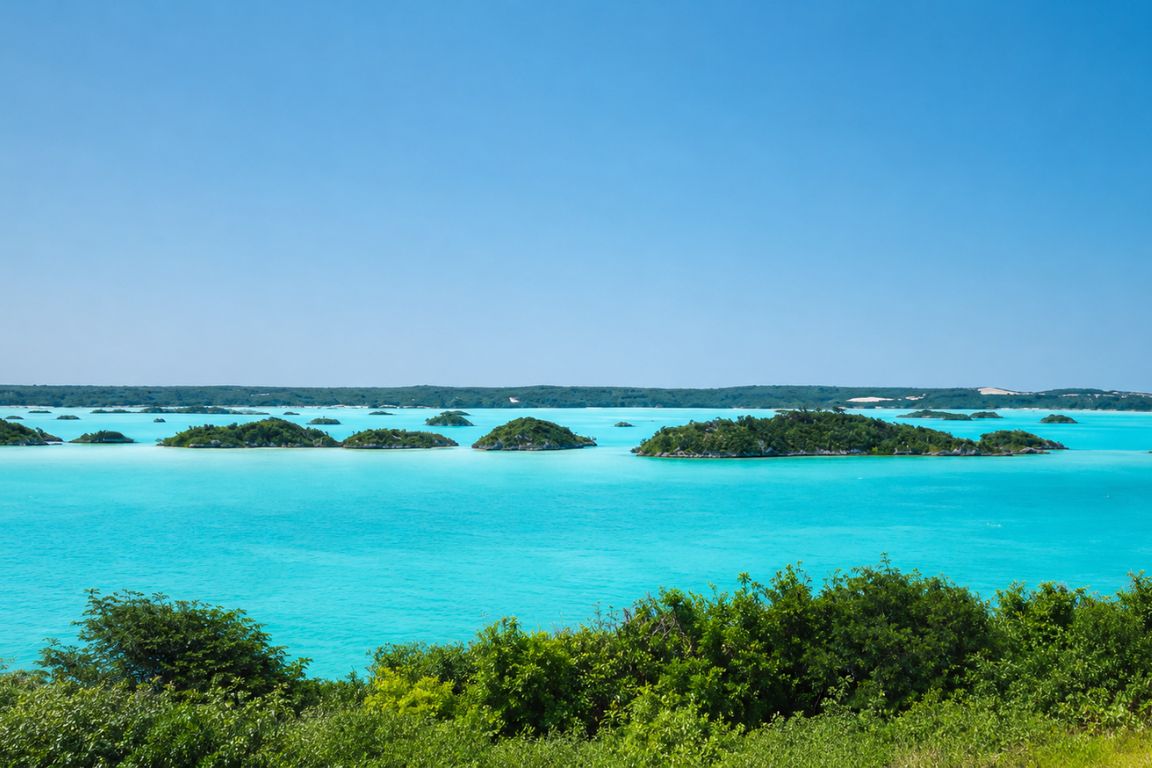 There is no public transport of any kind in Turks and Caicos: no buses, no trains, no Uber, no Lyft. The options are rental car, licensed taxi, or staying within walking distance of everything you need. For seniors staying in central Grace Bay, the walkable core covers the beach, most restaurants, and essential services. For those based elsewhere on Provo or planning to explore beyond Grace Bay, a rental car is the practical choice. Driving requires confidence navigating British-style roundabouts, left-side traffic, and local drivers who are genuinely reckless by North American standards.
The driving situation deserves honest description. There are no traffic lights anywhere in Turks and Caicos, only roundabouts. Traffic drives on the left. The car you rent is likely left-hand drive with the steering wheel on the left, which means you’re sitting on the inside of turns rather than the outside. This is disorienting for the first day for most American drivers, and more so for seniors who learned to drive decades ago on the right and have no recent experience adapting. The local driver culture compounds it: illegal jitney taxis stop mid-highway to pick up passengers, and cutting across lanes without signaling is common. The official data puts TCI’s road fatality rate roughly equal to the United States, significantly worse than most of Western Europe.
Seniors who choose to drive should stay off the main Leeward Highway wherever possible, keep speeds conservative, give significant following distance to vehicles ahead, and plan routes during daylight hours. Avoid driving after dark if you can manage it. Keep the car in good condition and report any mechanical concerns immediately to the rental company. The reward for doing this well is real independence to reach Taylor Bay, the conch farm, Chalk Sound, and the restaurants beyond the Grace Bay corridor.
For seniors who would rather not drive at all, the central Grace Bay zone is genuinely walkable if your resort sits on or near Grace Bay Road. The beach is directly in front. Saltmills Plaza and Regent Village hold a concentration of restaurants and shops within a short, flat walk. Grace Bay Medical Centre is a five-minute walk from most central resorts. Licensed taxis run from the airport and from all major resorts. Fares are set by the government for major routes but confirm the price before you start, as taxis charge per person and costs rise quickly for two.
Each island has its own personality and some are worth the detour more than others. Here’s a guide to island-hopping tours from Providenciales so you pick the right stops.
What Are The Best Accommodation Options For Older Travelers?
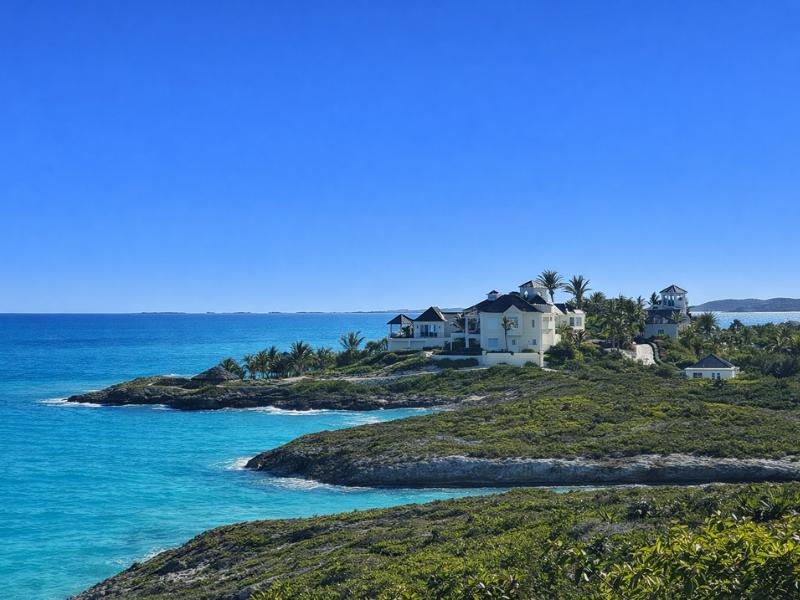
For seniors who prioritize accessibility, Beaches Turks and Caicos is the most comprehensively adapted resort on the island. It offers roll-in showers, bathroom rails, wider doorways, six standard wheelchairs and a beach wheelchair for guest use, and ramp access throughout the property. Most other Grace Bay resorts have some accessibility features but are less consistent. For seniors who prioritize space, comfort, and kitchen access over resort programming, villa rentals in the Leeward and Grace Bay areas offer single-story layouts and private pools that suit slower mornings and early evenings without resorting to stair-heavy buildings.
The Beaches TCI accessibility specifics are worth knowing precisely. Four rooms have lowered beds, roll-in showers, bathroom rails, extended shower heads, and raised toilet seats. The one beach wheelchair on property has a $100 refundable deposit and is available on a first-come basis. Motorized scooters can be rented for $25 per day with a $600 deposit, which covers movement around a large property. Most restaurants are fully accessible; Sky Restaurant (upstairs, no lift) and Barefoot (on the beach, beach wheelchair required) are the two exceptions. For a senior traveling with a partner or adult children, the multi-bedroom suite options in the newer Treasure Beach Village allow extended families to stay connected under one roof while the senior has their own space and schedule.
Grace Bay resorts in the mid-tier category, such as Seven Stars, The Sands at Grace Bay, and Alexandra Resort, offer large suites with full kitchens. These are significant for seniors who need a controlled diet, store specific medications requiring refrigeration, or simply want the option of a quiet breakfast without navigating a dining room. A suite with a kitchen, a private terrace, and a beachfront view covers most of what a senior traveler needs without complexity.
Villas in the Leeward area tend to be residential and single-story, with private pools, beach access, and full kitchens. For a senior traveling with adult children or a smaller group, a villa removes the resort-schedule feel and allows a much more personal pace. Leeward puts you five to ten minutes from Grace Bay dining and five minutes from the Leeward Marina, where most boat charters depart. The limitation is that everything except the immediate beach requires a car. If driving on Provo is a concern, a central Grace Bay resort is the right call over a Leeward villa.
We’ve got a full breakdown on Turks and Caicos tours with kids if you want to know exactly which boat trips, snorkel spots, and island excursions work well for families with children of different ages.
Questions about which property suits your specific mobility requirements? Reach out to Turks and Caicos Tours and we’ll give you a direct answer rather than a brochure description.
What Health And Medical Considerations Should Seniors Plan For?
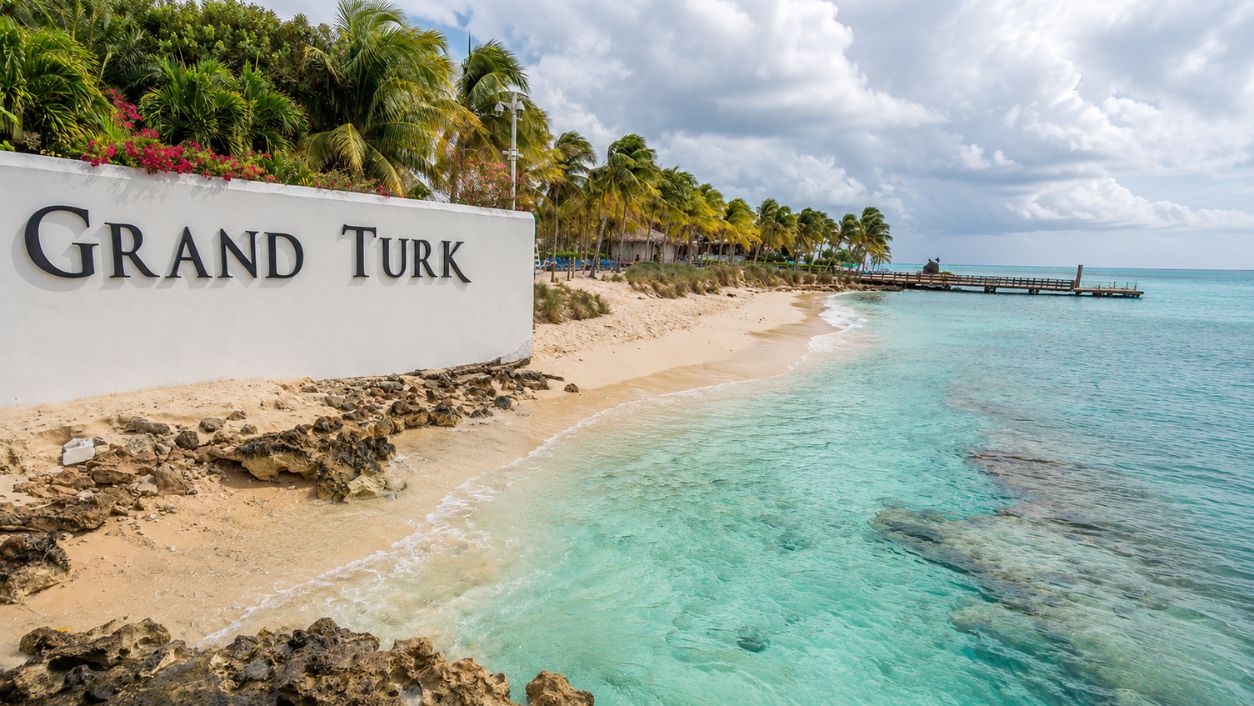 Providenciales has better medical infrastructure than most small Caribbean islands. Cheshire Hall Medical Centre, the primary hospital, is a 20-bed facility managed by Canadian firm InterHealth Canada, accredited by Accreditation Canada International, with CT and MRI scanners, operating theatres, emergency care, and over 30 doctors on staff. Grace Bay Medical Centre, within walking distance of most Grace Bay resorts, handles urgent care and general medicine and is faster for non-emergency situations. The critical limit: complex procedures, specialist surgery, and oncology require medevac to Miami or Nassau. Travel insurance with medical evacuation coverage is not optional for seniors visiting TCI.
The medevac cost is the number that matters. Community forum reports consistently put the average air ambulance to Miami at around $50,000. That number is paid up front before transport in some cases, according to travelers who have been in that situation. Insurance that specifically covers medical evacuation eliminates this exposure entirely. For seniors with pre-existing cardiac conditions, history of stroke, or other conditions requiring rapid specialist access, a policy that covers emergency evacuation to a facility of your choice, not just the nearest adequate hospital, is the version worth buying.
A specific limitation that affects seniors more than the general visitor population: Cheshire Hall Medical Centre and Cockburn Town Medical Centre on Grand Turk both operate dialysis centers, but neither provides dialysis to tourists or non-residents. Seniors who require regular dialysis cannot receive that treatment in Turks and Caicos. This is a confirmed exclusion documented by the official Turks and Caicos visitor health guide and is not subject to workarounds. Dialysis-dependent travelers should not plan extended stays here without a confirmed alternative arrangement.
General health considerations for seniors: dehydration is the most common serious issue after sunburn. The combination of trade winds and intense sun pulls moisture faster than most people expect. Bring electrolyte packets, drink more water than you think you need, and move to shade or air conditioning for at least two hours during midday. The UV index reaches 12 year-round, including on overcast days. For seniors on blood thinners or immunosuppressants, even minor sunburn has downstream consequences. Bring more reef-safe sunscreen than you think you’ll need; on-island prices run two to three times mainland costs.
Medications should travel in carry-on luggage, not checked bags, with a copy of all prescriptions. Local pharmacies on Provo are reasonably well-stocked, but specific medications may not be available. Confirm in advance if you take anything uncommon. Grace Bay Pharmacy, adjacent to Grace Bay Medical Centre, is the most convenient for visitors staying in central Grace Bay.
Still not sure what a trip here actually runs from start to finish? This breakdown of Turks and Caicos travel costs explained gives you honest numbers across flights, hotels, food, and tours.
What Are The Biggest Mistakes Seniors Make When Visiting?
Four patterns repeat consistently across the older travelers we’ve worked with. Booking an inaccessible villa far from Grace Bay without a plan for transport. Underestimating the driving challenge and either skipping the rental car entirely or driving anxious and exhausted on unfamiliar roads. Traveling without adequate medical evacuation insurance. And arriving without the right gear, specifically supportive footwear for sand walking, reef-safe sunscreen in sufficient quantity, and enough medication to cover the full trip plus a buffer. Each of these is fully avoidable with pre-trip planning.
The accommodation mistake is the one with the worst consequences because it shapes the whole trip. A senior who books a beautiful villa in a remote area of Provo without a driver or rental car plan ends up dependent on expensive taxis and unable to be spontaneous. The taxi system here has no app, no Uber, and no reliable availability outside major resort areas. A senior stranded at a villa needing a doctor appointment, a grocery run, or an early morning excursion pickup is in a genuinely difficult position. The solution is either to stay in central Grace Bay where the beach and services are walkable, or to confirm transport, whether personal driving or a private car arrangement, before booking anything remote.
The travel insurance gap is the mistake with the highest financial exposure. We are direct about this with every senior traveler we work with: medical evacuation from TCI to the US is not covered by most standard travel insurance policies unless you specifically purchase a plan that includes it. The gap between “travel insurance” and “travel insurance with medical evacuation” is meaningful, especially here. Caribbean MedFlight and Global Rescue are two operators with strong reputations for TCI evacuation coverage. Buy the policy before your outbound flight, not on the way to the airport.
Packing errors affect quality of life daily. Footwear: flip flops are insufficient for long beach walks on soft sand and provide no ankle stability on uneven reef access points. Bring supportive sandals or water shoes in addition to flip flops. Medications: pack 20-30% extra beyond your planned stay to account for delays. Sunscreen: bring two full tubes per person minimum for a week-long trip. The sun here is not the sun at home; it does not behave the same way at this latitude and UV index.
Not sure what to bring for a mix of beach days, boat tours, and occasional nicer dinners? This Turks and Caicos packing list covers everything from reef-safe sunscreen to what to wear at the better restaurants on the island.
What We See: Senior Traveler Patterns Across 16,800+ Guided Trips
| Active senior (65-74, mobile) | Whale watching, snorkel charter, sunset cruise | Underestimated driving challenge | 91% |
| Senior with limited mobility | Semi-submarine, clear boat, beach days | No medevac insurance; no beach wheelchair reserved | 87% |
| Multigenerational group (seniors + adult children) | Private charter with mixed activities; whale watching | Villa too far from services for senior’s comfort | 93% |
| Senior couples (75+) | Semi-submarine, sunset cruise, Grace Bay beach days | Insufficient sunscreen and electrolyte supplies | 89% |
Based on post-trip survey data from Turks and Caicos Tours. From our 16,800+ travelers guided since founding in 2012.
When Is The Best Time Of Year For Seniors To Visit Turks And Caicos?
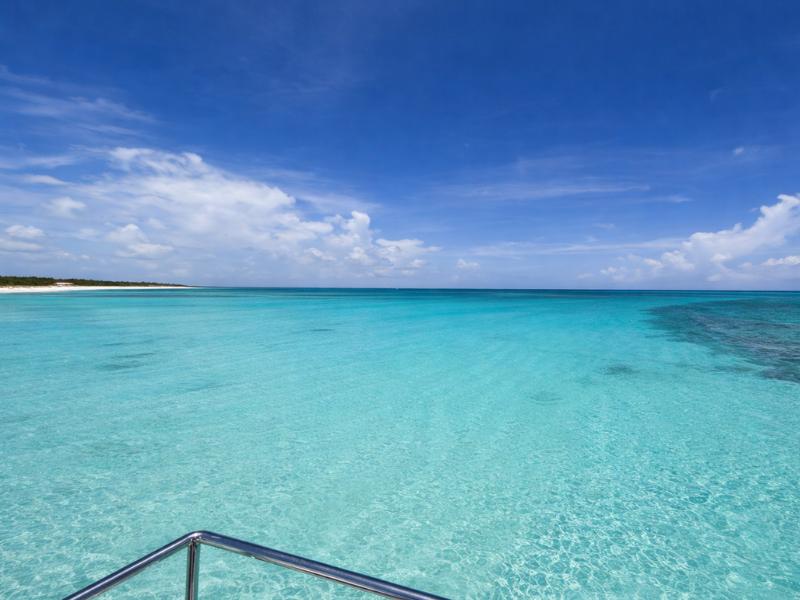
For most seniors, January through April is the strongest window. The weather is at its most comfortable: low humidity, temperatures in the mid-to-upper 70s, calm seas, and the lowest chance of a weather disruption affecting travel. Whale watching runs January through April with February as the peak, which is the single most compelling reason to visit in winter rather than another season. November is the hidden shoulder month for seniors who want near-peak conditions at a meaningfully lower price. Summer is hot and humid by 10am, which is harder on older travelers physiologically, and hurricane risk from mid-August through September adds insurance complexity that makes flexible bookings essential.
The heat argument matters differently for seniors than for younger travelers. A 32-year-old in August discomfort between activities is an inconvenience. For an older traveler with cardiovascular concerns, prolonged midday heat at 90°F with high humidity is a genuine health management issue rather than just an inconvenience. The winter cool season keeps air temperatures in the comfortable 76-82°F range for the full day, the trade winds are steady, and the humidity stays lower. Grace Bay in February at 7am is one of the most physically pleasant outdoor environments in the Caribbean. That’s not a small thing for a trip whose main activity is being outside.
November deserves specific attention. Hurricane risk has statistically passed by early November. The ocean is still 83-84°F from the summer’s heat. Resort rates drop 20-30% from their December levels. The island is quiet. Crowds are thin. For a senior couple who can travel outside school holiday windows, early to mid-November is arguably the best value month of the year, with conditions that are nearly indistinguishable from peak winter at a fraction of the price.
One timing consideration specific to seniors traveling with adult children or grandchildren: if the goal is multigenerational travel that includes whale watching, the February window is the overlap where that specific experience is at its peak, school spring breaks haven’t started, and the weather is at its best. Planning the trip around that single three-week February window covers nearly every priority simultaneously.
Still deciding when to pull the trigger on booking? This guide on the best time to visit Turks and Caicos tours gives you a straight answer based on what most travelers actually prioritize.
| January-February | Best weather; peak whale watching; low humidity | Book 6-9 months ahead; peak prices |
| March-April | Excellent conditions; whales departing; spring break traffic | Book early for spring break weeks; still peak pricing |
| May-June | Good conditions; lower prices; less crowded | Slightly higher humidity; good value window |
| July-August | Hot and humid midday; harder on older travelers | Hurricane risk from mid-August; CFAR insurance essential |
| September-October | Peak hurricane risk; lowest prices; some closures | Not recommended for seniors without fully flexible travel plans |
| November | Hidden gem: warm water, thin crowds, 20-30% below peak rates | Best value window for seniors with flexibility |
Seasonal data verified June 29, 2026. Sources: visittci.com, Turks and Caicos Tours booking and weather patterns.
Frequently Asked Questions
Is Turks and Caicos good for seniors?
Yes, particularly for seniors who value calm water, a slow pace, and excellent food over organized resort entertainment. The ocean conditions at Grace Bay are exceptionally gentle. The destination suits active seniors and those with limited mobility well when planned around the right accommodation and activities. Key planning points are medical evacuation insurance, accessibility at the chosen resort, and transport logistics on an island with no public buses or ridesharing.
Is Grace Bay Beach accessible for wheelchair users?
Partially. Grace Bay has the most beach access points and parking of any beach on Providenciales, and the approach paths at Royal West Indies and Point Grace are the most manageable for limited mobility. However, there are no beach wheelchair mats on any beach in TCI. A beach wheelchair with oversized tires, available from local rental company Island Access or from certain resort guests at Beaches TCI, is needed to move across the sand. Reserve these well in advance.
What is the best activity in Turks and Caicos for seniors with limited mobility?
The semi-submarine Undersea Explorer, operated by Caicos Tours from Turtle Cove Marina. Passengers are seated five feet below the water’s surface in air-conditioned comfort, with wraparound windows looking out at living reef. No swimming, snorkeling, or water entry required. Turtles, stingrays, eagle rays, and reef sharks are commonly seen. The vessel is large and stable and tours run about an hour, six days a week. Whale watching from a boat deck, January through April, is the other major activity that requires no physical exertion and delivers memorable encounters.
Is there a hospital in Turks and Caicos?
Yes. Cheshire Hall Medical Centre in Providenciales is a 20-bed hospital managed by Canadian firm InterHealth Canada and accredited by Accreditation Canada International. It has CT and MRI scanners, operating theatres, a 24-hour emergency department, and over 30 resident doctors. Grace Bay Medical Centre, within walking distance of most Grace Bay resorts, handles urgent and general care for tourists. For complex procedures, specialist surgery, or oncology, patients are stabilized and flown by air ambulance to Miami or Nassau. Medical evacuation insurance is strongly recommended.
Can seniors get dialysis in Turks and Caicos?
No. Both Cheshire Hall Medical Centre on Providenciales and Cockburn Town Medical Centre on Grand Turk operate dialysis facilities, but neither provides dialysis treatment to tourists or non-residents. Seniors who require regular dialysis cannot plan extended stays in TCI without a confirmed alternative arrangement.
What travel insurance do seniors need for Turks and Caicos?
Standard travel insurance is insufficient for most senior travelers visiting TCI. A policy that specifically includes medical evacuation coverage is essential, as complex medical cases require air ambulance transfer to Miami or Nassau at an average cost around $50,000 when uninsured. Policies from providers like Caribbean MedFlight, Global Rescue, or Travelex that include emergency evacuation and Cancel for Any Reason (CFAR) coverage offer the most protection. Purchase before your outbound flight.
Senior travel to Turks and Caicos takes more advance planning than most Caribbean trips, particularly around accessibility, transport logistics, and medical coverage. We’ve navigated all of it across 16,800 guided trips and are direct about what works and what doesn’t for different mobility levels and health considerations. Review the boat tours from Providenciales before you lock in the rest of the trip, so the outing matches your mobility and pace.
Written by Baran Ellis
British tour guide since 2012 · Founder, Turks and Caicos Tours
Baran has guided over 16,800 travelers across Providenciales, Grand Turk, and the Caicos cays since founding the agency.